Why Does Window Tint Look Darker From Outside Than Inside?
Window tint often looks darker from outside during the day and lighter when looking out from inside. Learn how lighting, reflections, interior color and tint percentage create this effect—and why it is not exclusive to Ceramic tint.
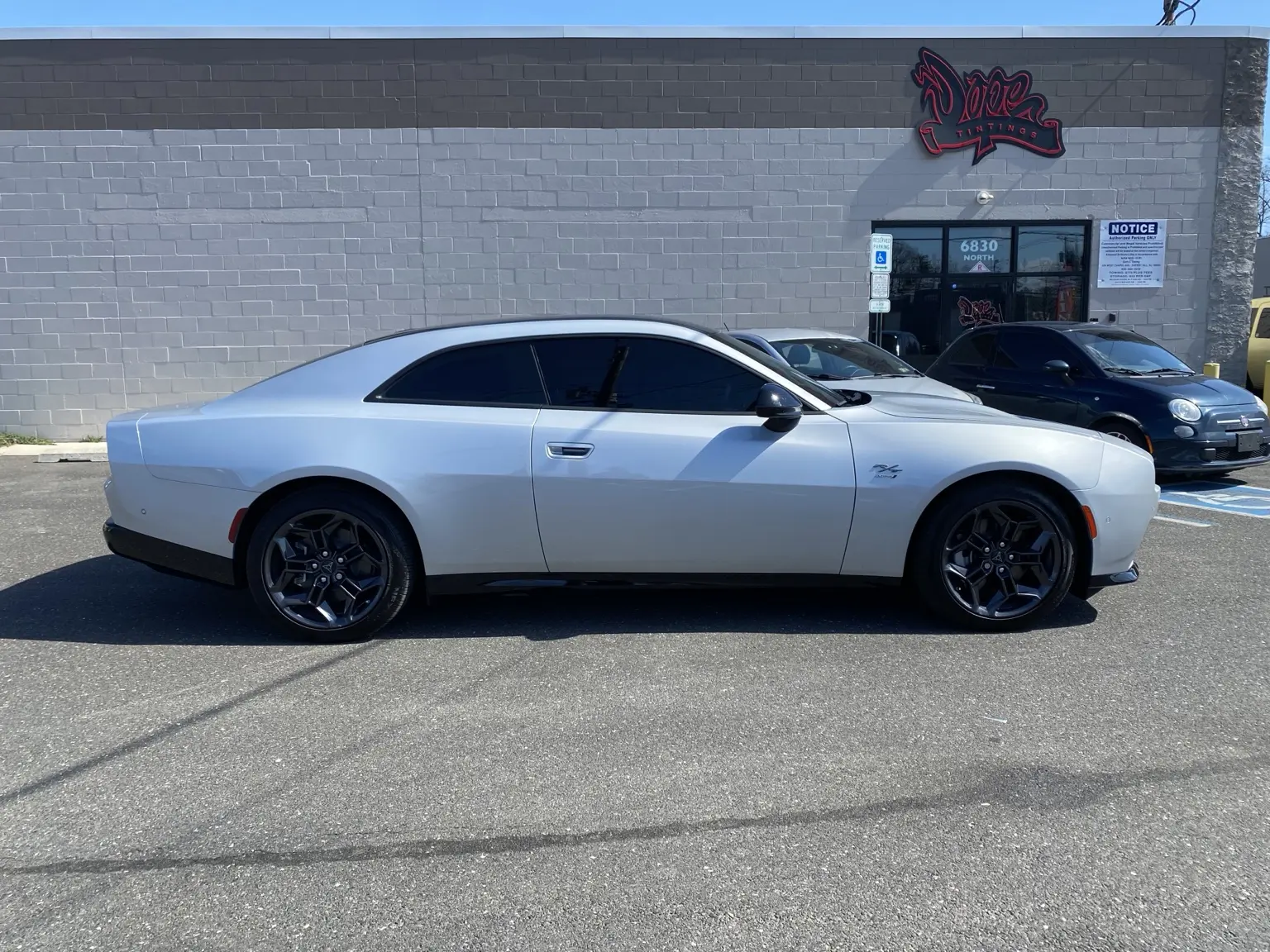
Window tint often looks darker when viewed from outside because the exterior is brighter than the vehicle’s interior. From inside, your eyes are looking from a darker area toward a brighter environment, which can make the same film appear easier to see through.
In the tint industry, installers sometimes describe this changing light balance as the “transfer of light.” However, the film is not changing its tint percentage, and this effect is not exclusive to Ceramic window tint.
Does Ceramic Tint Look Darker Outside and Lighter Inside?
Ceramic tint can look darker from outside and lighter when looking through it from inside, but this is not a special one-way feature created by Ceramic technology.
Standard, Carbon and Ceramic tint can all produce this appearance.
The biggest factors are:
- The tint percentage
- The amount of light outside the vehicle
- The amount of light inside the cabin
- Reflections on the glass
- Interior color
- Windshield light
- Viewing angle
- Weather conditions
Ceramic film is generally chosen for its greater heat-rejection performance. It does not create a permanent situation where people cannot see inside while the driver maintains perfectly clear visibility looking out.
A 20% Ceramic film is still darker than a 35% Standard or Carbon film because the percentage has a greater effect on visible-light transmission than the film category.
What Does “Transfer of Light” Mean With Window Tint?
In the tint industry, installers sometimes use the phrase “transfer of light” when explaining why tinted glass can appear darker from one side than the other.
The film still allows light to pass through in both directions. What changes is the amount of light on each side of the glass, the reflections on its surface and what the viewer’s eyes can perceive through those reflections.
The film does not actually change its tint percentage based on the time of day.
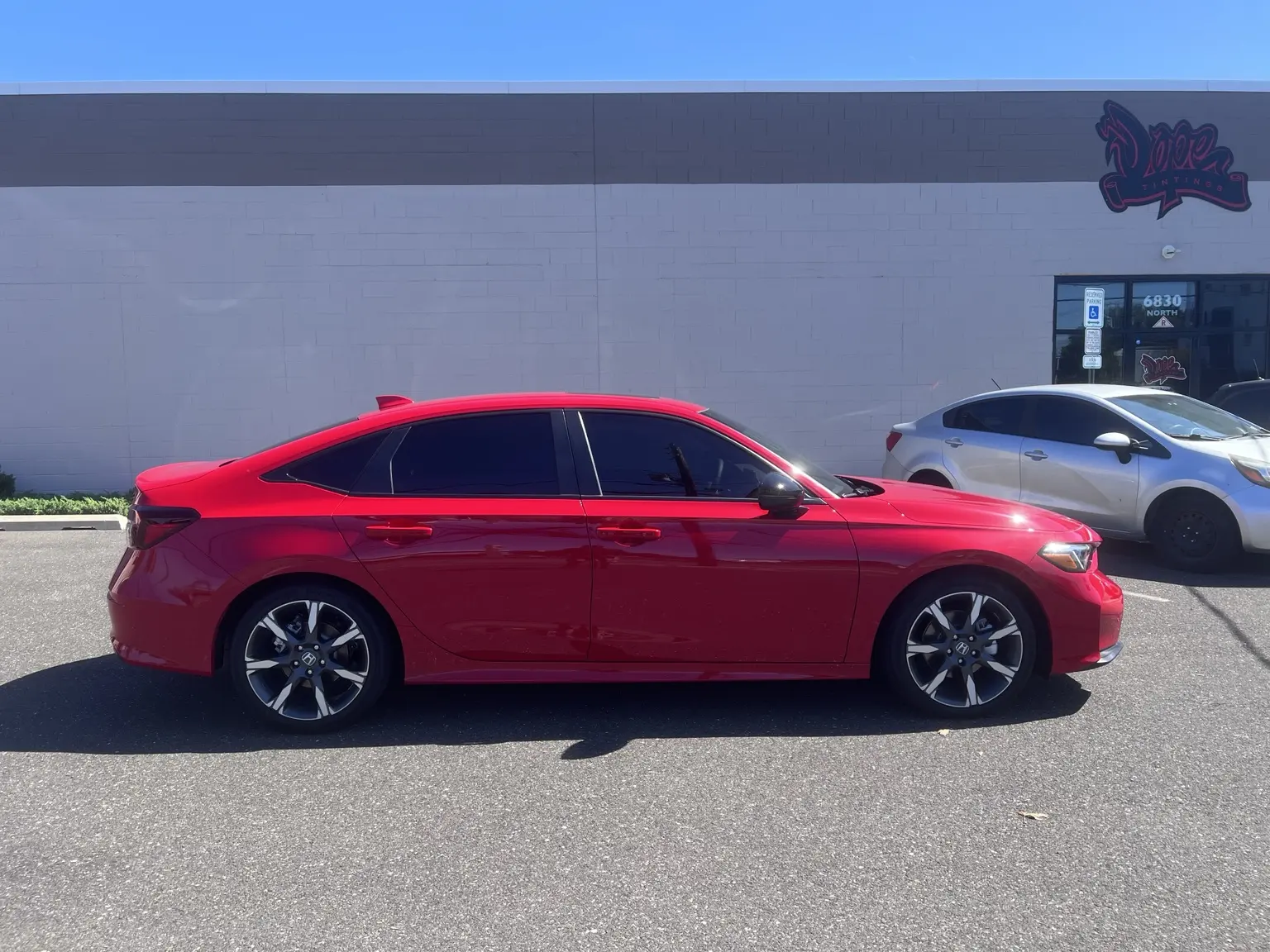
A 20% film remains the same film during the day and at night. What changes is the lighting environment surrounding the vehicle.
Does Automotive Window Tint Work Like a One-Way Mirror?
No. Automotive window tint is not truly one-way glass.
It can sometimes produce an appearance similar to one-way glass when one side is considerably brighter than the other.
During the day:
- The sun brightly illuminates the vehicle’s exterior.
- The cabin is usually darker.
- Exterior reflections can conceal portions of the interior.
- People outside may have difficulty seeing into the vehicle.
- Someone inside is looking toward a brighter outdoor environment.
This combination can make the film appear dark from outside while remaining easier to see through from inside.
That does not mean the film only allows light to travel in one direction.
Why Can You See Through Tint Better From Inside During the Day?
During daylight, someone inside the vehicle is usually looking from a comparatively dark cabin toward a much brighter exterior.
The outdoor scene contains considerably more light than the cabin. Your eyes can therefore detect vehicles, roads, buildings and other objects through the tinted glass.
At the same time, someone standing outside may primarily see reflections of the sky, buildings, trees or surrounding vehicles on the glass. Those reflections can make it more difficult to see the darker interior behind the film.
This is why the same window can appear very dark from one direction and noticeably easier to see through from the other.
Why Is It Easier to See Inside a Tinted Car at Night?
The daytime lighting relationship can reverse at night.
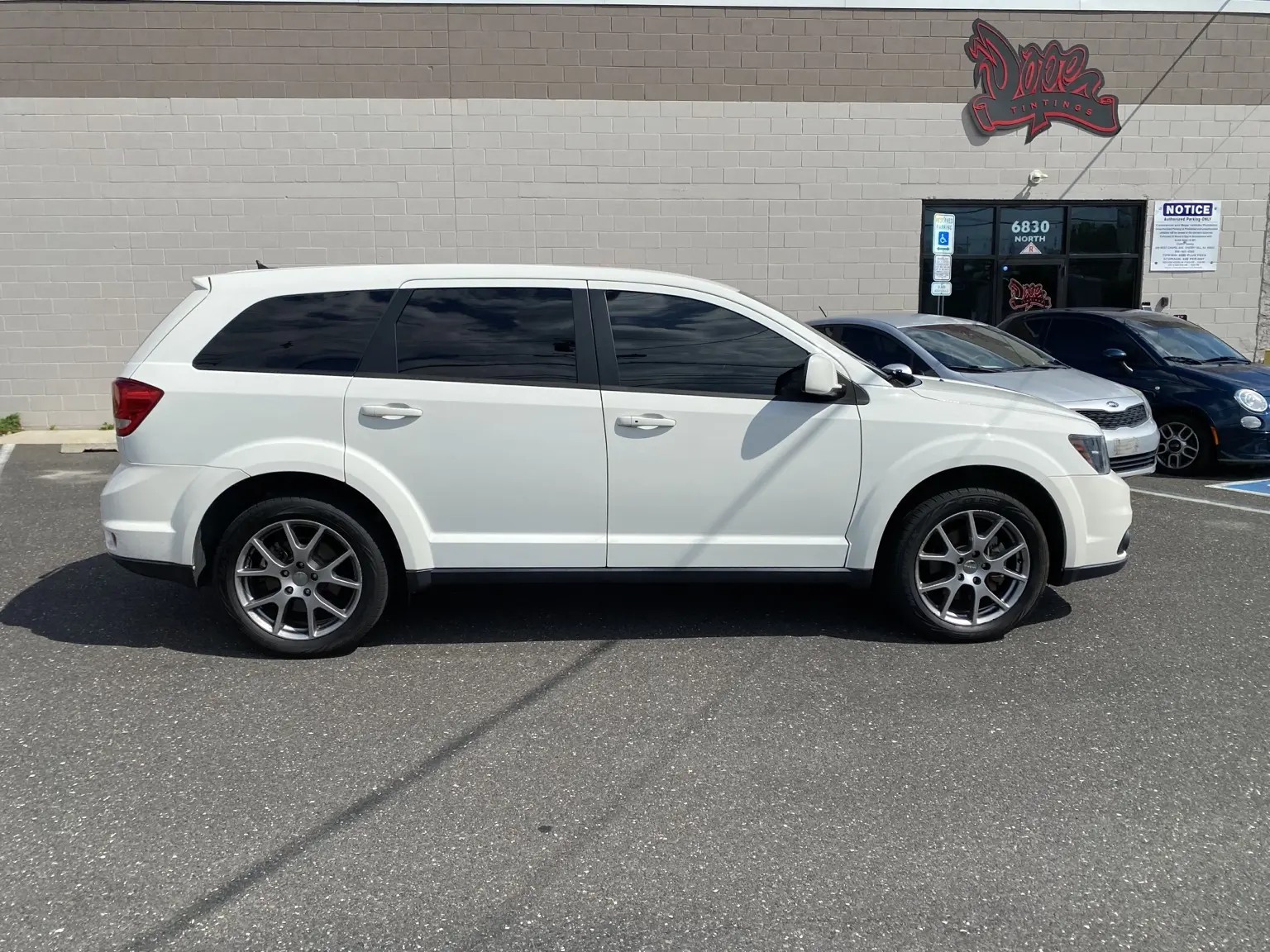
If the environment outside is dark but the vehicle’s interior lights are on, the cabin may become the brighter side of the glass. Someone standing outside can then see into the vehicle more easily.
The film has not become lighter.
The amount and direction of the surrounding light have changed.
This can happen when:
- The dome light is turned on
- A passenger uses a bright phone or tablet
- Dashboard screens illuminate the cabin
- Interior accent lighting is bright
- The vehicle is parked near a dark roadside
- An outside observer stands close to the glass
Window tint can provide privacy under many daytime conditions, but it cannot guarantee complete privacy under every lighting condition.
Why Can Interior Lights Make It Harder to See Out?
Interior lights can also make it more difficult for the driver or passengers to see through tinted windows at night.
When lights are turned on inside the vehicle, they can reflect against the interior surface of the glass. Those reflections compete with the darker scene outside.
This is similar to trying to look through a house window at night while the room lights are on. Instead of seeing the yard clearly, you may see reflections of yourself and the room.
Turning down unnecessary interior lighting can make it easier for your eyes to adjust to the darker environment outside.
Does Interior Color Affect How Dark Tint Looks?
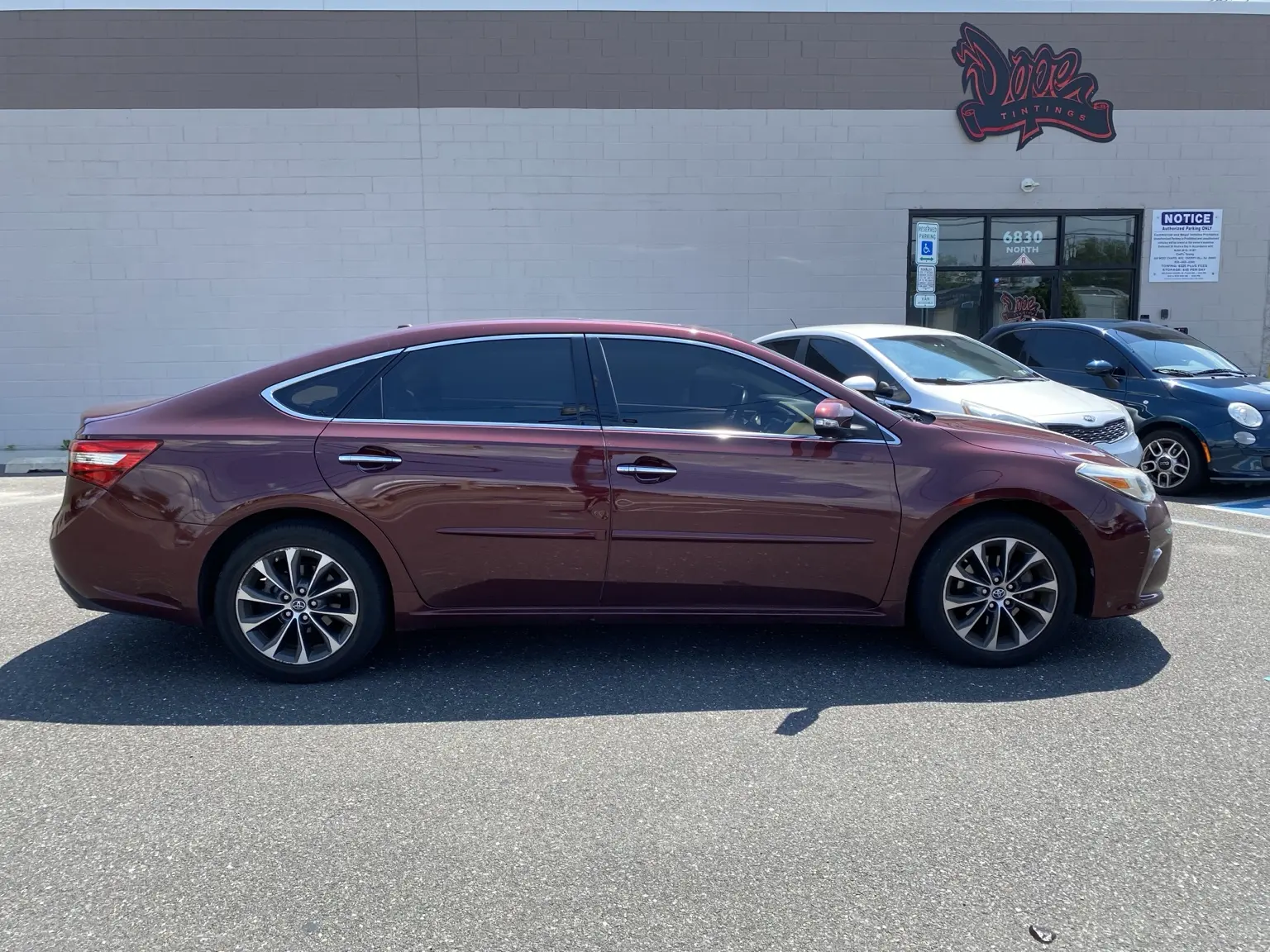
Yes. Interior color can significantly affect how dark a vehicle appears from outside.
A vehicle with:
- Black seats
- A black dashboard
- Dark door panels
- Dark carpeting
- A black headliner
may absorb more incoming light and make the tint appear darker from outside.
A vehicle with:
- Tan seats
- Beige upholstery
- Light-gray seats
- White interior panels
- A light-colored dashboard
can reflect more light throughout the cabin. This may reveal more interior detail through the tinted glass.
We have seen this repeatedly on customer vehicles at Dope Tintings. Two vehicles with the same tint percentage can look noticeably different when one has a black interior and the other has a tan or light-gray interior.
Can Windshield Tint Make the Side Windows Look Darker?
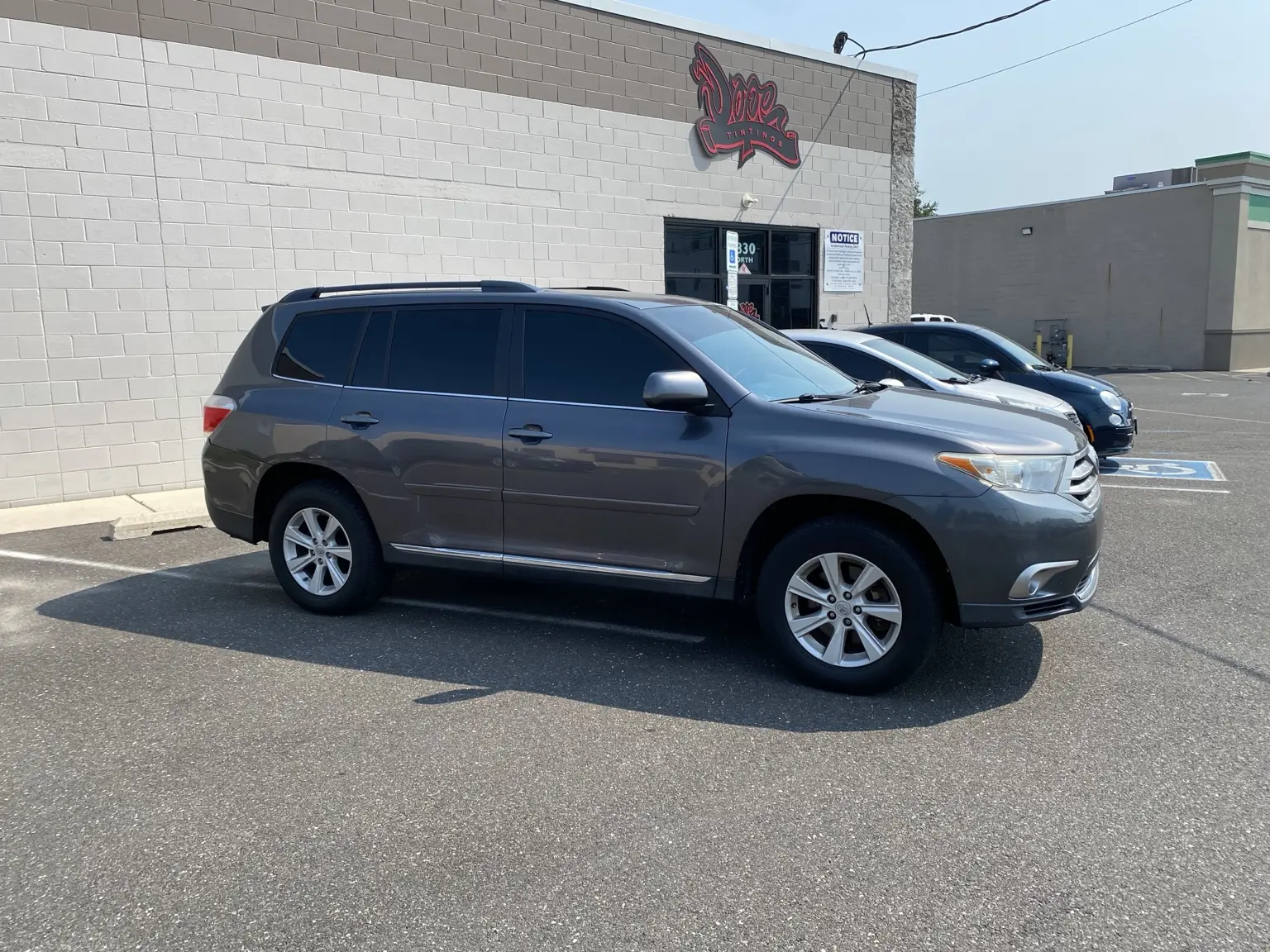
Windshield tint can influence the overall appearance of a vehicle, but it should not be described as a guaranteed way to make every side-window percentage look darker.
An untreated windshield allows a large amount of light into the cabin. Depending on the vehicle, reducing that incoming light may cause the side windows to appear darker from certain angles.
However, the result depends on:
- The windshield tint percentage
- The side-window tint percentage
- Interior color
- Sunroof or panoramic-roof glass
- The direction of the sunlight
- Exterior reflections
- The viewer’s position
For example, installing 35% on the windshield and 35% on the side windows does not necessarily make the side windows appear dramatically darker. The vehicle still has relatively balanced percentages across the glass.
A darker windshield combined with darker side windows may create a different appearance, but customers must also consider nighttime visibility and applicable window-tint laws.
Does Ceramic Tint Look Clearer From Inside Than Standard Tint?
Ceramic film can provide excellent optical clarity, but Ceramic technology does not make an extremely dark tint percentage behave like a substantially lighter film.
If three comparable professional films are installed at approximately the same labeled percentage:
- 20% Standard
- 20% Carbon
- 20% Ceramic
all three remain within the same general darkness category.
Ceramic film’s main advantage is its greater heat-rejection performance. It should not be sold as a way to make extremely dark tint provide the nighttime visibility of a lighter percentage.
For a deeper explanation of this specific misconception, read our guide answering <u>whether you can see through Ceramic tint better</u>.
Why Does Ceramic Tint Look So Clear in Social-Media Videos?
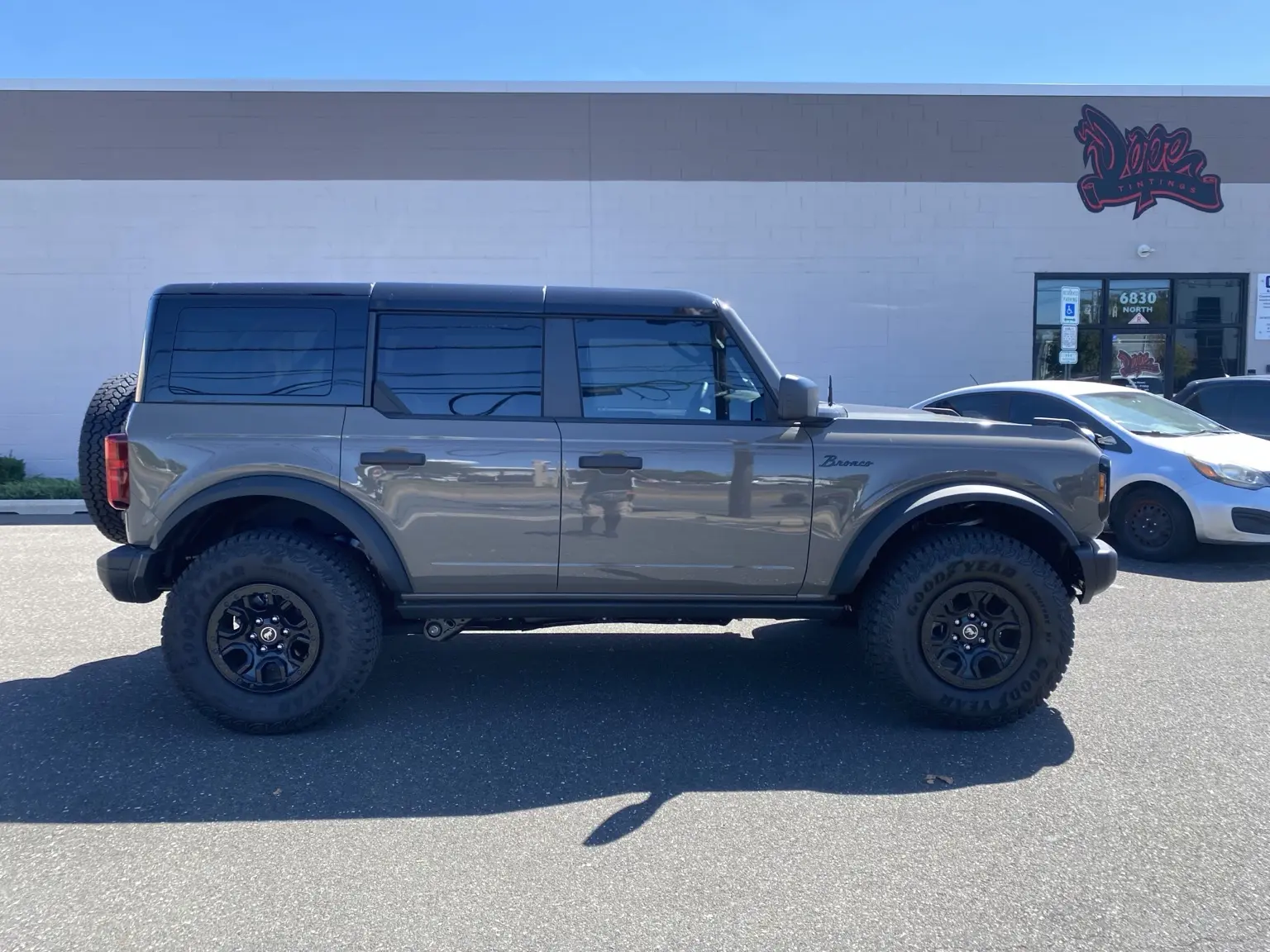
Social-media videos can make dark Ceramic tint appear almost perfectly clear from inside while looking black from outside.
Several factors can influence what viewers see:
- Camera exposure
- Automatic brightness adjustment
- Exterior sunlight
- Interior lighting
- Camera position
- Video editing
- Phone-camera night modes
- Reflections
- The direction in which the camera is pointed
A camera does not always reproduce exactly what a driver’s eyes will experience under different real-world conditions.
A video recorded during a bright afternoon cannot reliably demonstrate how the same percentage will perform on a dark road at night.
Customers should be cautious when a video suggests that a very dark Ceramic film provides the same outward visibility as a much lighter film under every condition.
Does Tint Look Different on Cloudy Days?
Yes. Cloud cover changes the amount, direction and quality of the light surrounding the vehicle, which can change how dark the tint appears from outside.
On a bright sunny day, strong reflections and the contrast between the bright exterior and darker cabin can make tinted windows appear extremely dark from certain angles. During cloudy weather, those reflections and the amount of light entering the cabin can change, sometimes revealing more interior detail and sometimes making the glass appear darker from another angle.
The film has not changed. The surrounding lighting conditions have changed how it appears.
Does Viewing Angle Change How Dark Tint Looks?
Yes. The same tinted window can appear different depending on where the person is standing.
Looking directly through the glass may reveal more of the interior. Viewing it from an angle can create stronger reflections and make the window look darker.
This is one reason photographs of tint percentages can be misleading. Two pictures may show the same percentage but look completely different because of:
- Camera angle
- Sun position
- Interior color
- Reflections
- Weather
- Windshield lighting
- Camera exposure
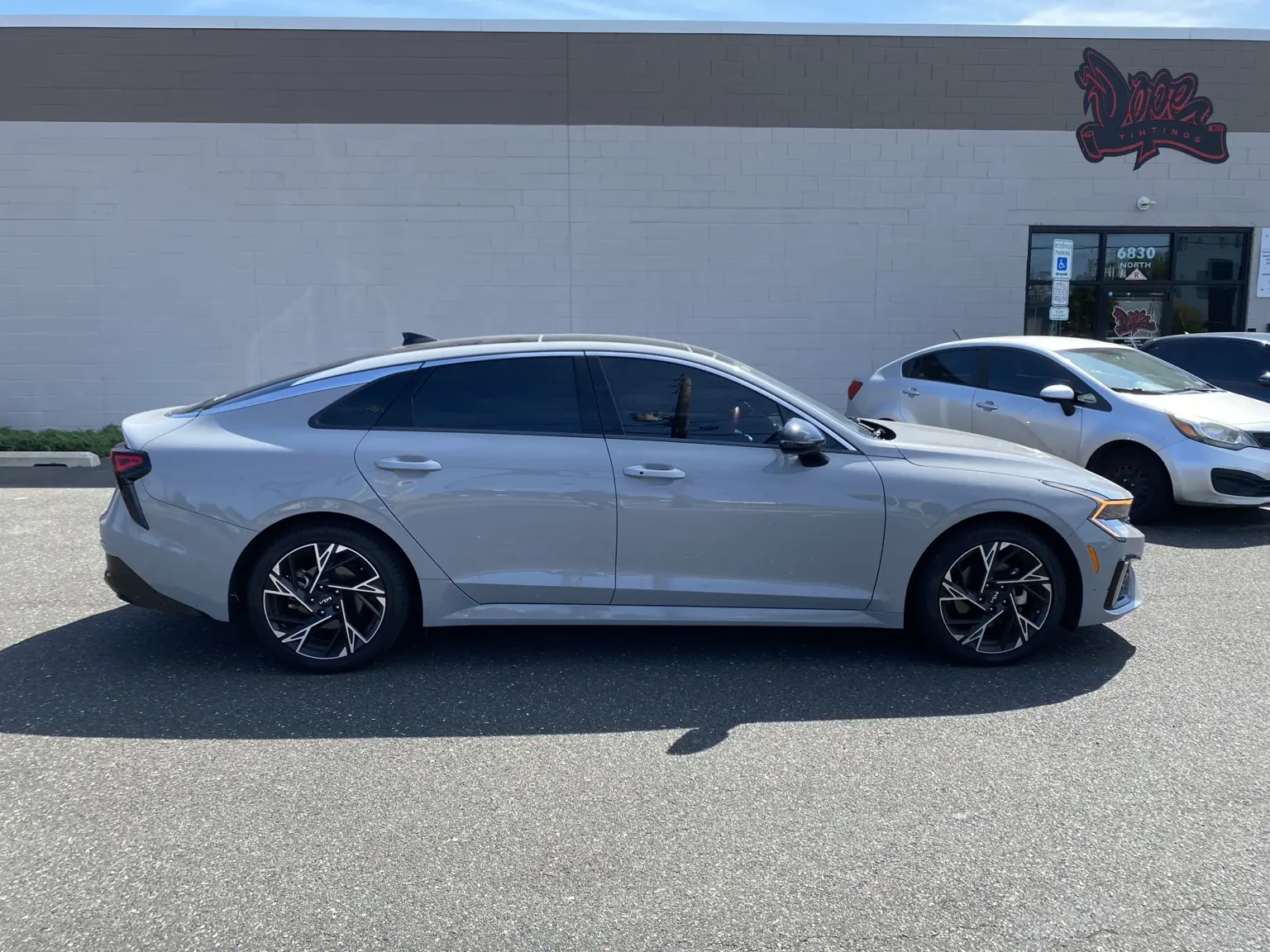
Customers should avoid selecting a percentage based on one photograph without considering these variables.
Does Darker Tint Always Provide More Privacy?
Darker tint generally provides more privacy than a lighter tint under comparable lighting conditions, but no automotive window tint guarantees complete privacy.
During the day, darker film can make the cabin considerably more difficult to see from outside.
At night, interior lighting may reveal people and objects inside—even through dark tint.
Someone standing close to the window and shielding exterior reflections with their hands may also be able to see more interior detail.
Tint percentage matters, but lighting still controls much of the apparent privacy.
How Should You Compare Window-Tint Percentages?
The best way to compare tint percentages is to view physical film samples or completed vehicles under realistic conditions.
Consider how each percentage performs:
- In direct sunlight
- In shade
- On cloudy days
- At night
- On well-lit roads
- On poorly illuminated roads
- With the interior lights turned on
- With your vehicle’s interior color
Do not assume that a film will look identical on every vehicle simply because the labeled percentage is the same.
Choosing Window Tint in South Jersey
When choosing window tint, consider more than how dark the glass appears in a photograph.
Think about:
- Your desired exterior appearance
- Privacy
- Nighttime visibility
- Interior color
- How frequently you drive after dark
- Whether you want heat rejection
- The windows you plan to tint
- New Jersey window-tint requirements
At Dope Tintings, we help customers compare Standard, Carbon and Ceramic film without presenting Ceramic as magical one-way tint.
The darker-outside and lighter-inside appearance can occur with every film category because it is primarily affected by tint percentage, lighting, reflections and the vehicle itself.
Learn more about our professional <u>Window Tinting in South Jersey</u> or contact Dope Tintings to discuss the right film and percentage for your vehicle.