
What Tint Percentage Is Best for Night Driving?
What tint percentage is best for night driving? See why 35% is better for visibility, when 20% gives a better privacy balance, and why 5% can be difficult after dark.
What Tint Percentage Is Best for Night Driving?
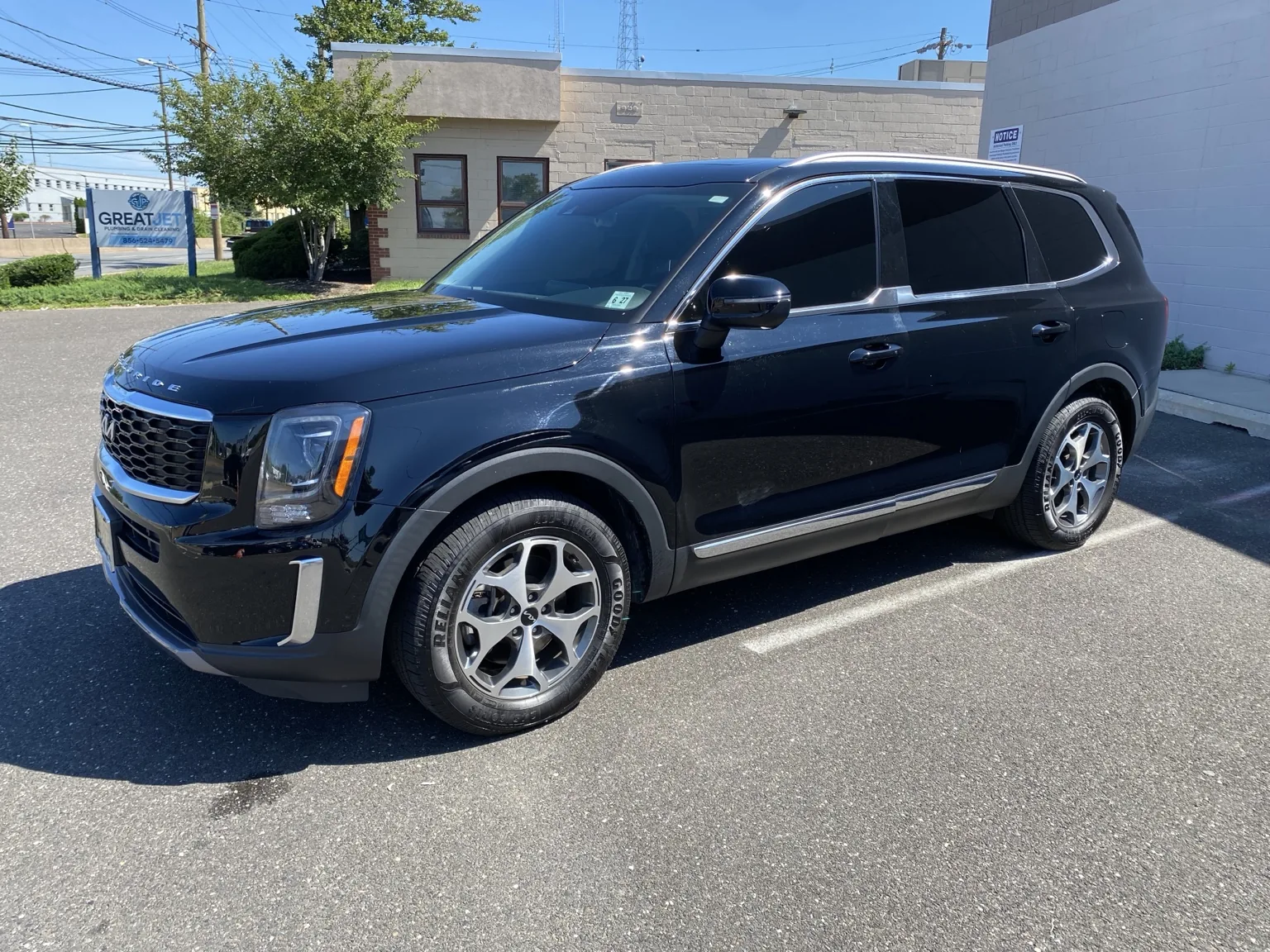
For nighttime driving, 35% is our safest overall recommendation if visibility is your main priority while still wanting the windows to look tinted. If you also want meaningful privacy, 20% is the percentage we normally recommend because many drivers can still manage it at night while getting a noticeably darker appearance.
If nighttime visibility matters more than privacy, 50% is even easier to see through. Once you move down to 15%, 5% and especially 1%, nighttime visibility becomes increasingly difficult.
At Dope Tintings in Pennsauken, we've been tinting vehicles for more than 20 years. Instead of telling every customer to choose the same percentage, we ask how much they drive at night, whether they've driven with tinted windows before and how important privacy is to them.
What Tint Percentage Do We Recommend for Night Driving?
There isn't one percentage that's best for every driver.
Here's how we generally explain the most common shades based on the conversations we've had with customers and the vehicles we've tinted:
| Tint Percentage | Nighttime Visibility | Privacy | Our General Recommendation |
|---|---|---|---|
| 50% | Very good | Low | Best when nighttime visibility is the priority |
| 35% | Very good | Low to moderate | Safest overall balance for frequent night driving |
| 20% | Manageable for many drivers | Good | Our normal privacy + nighttime driving recommendation |
| 15% | Somewhat manageable | Very good | Darker option for drivers comfortable with tint |
| 5% | Difficult | Very high | Not our recommendation when night visibility is a concern |
| 1% | Extremely difficult | Extreme | Not practical for most night-driving situations |
This isn't a guarantee that every person will experience these percentages exactly the same way.
Road lighting, weather, the vehicle, your own vision and your experience driving with tint all matter.
That's why we ask questions before recommending a percentage.
Is 35% Tint Good for Driving at Night?
Yes.
If someone tells us:
"I drive at night constantly and being able to see clearly is more important to me than privacy,"
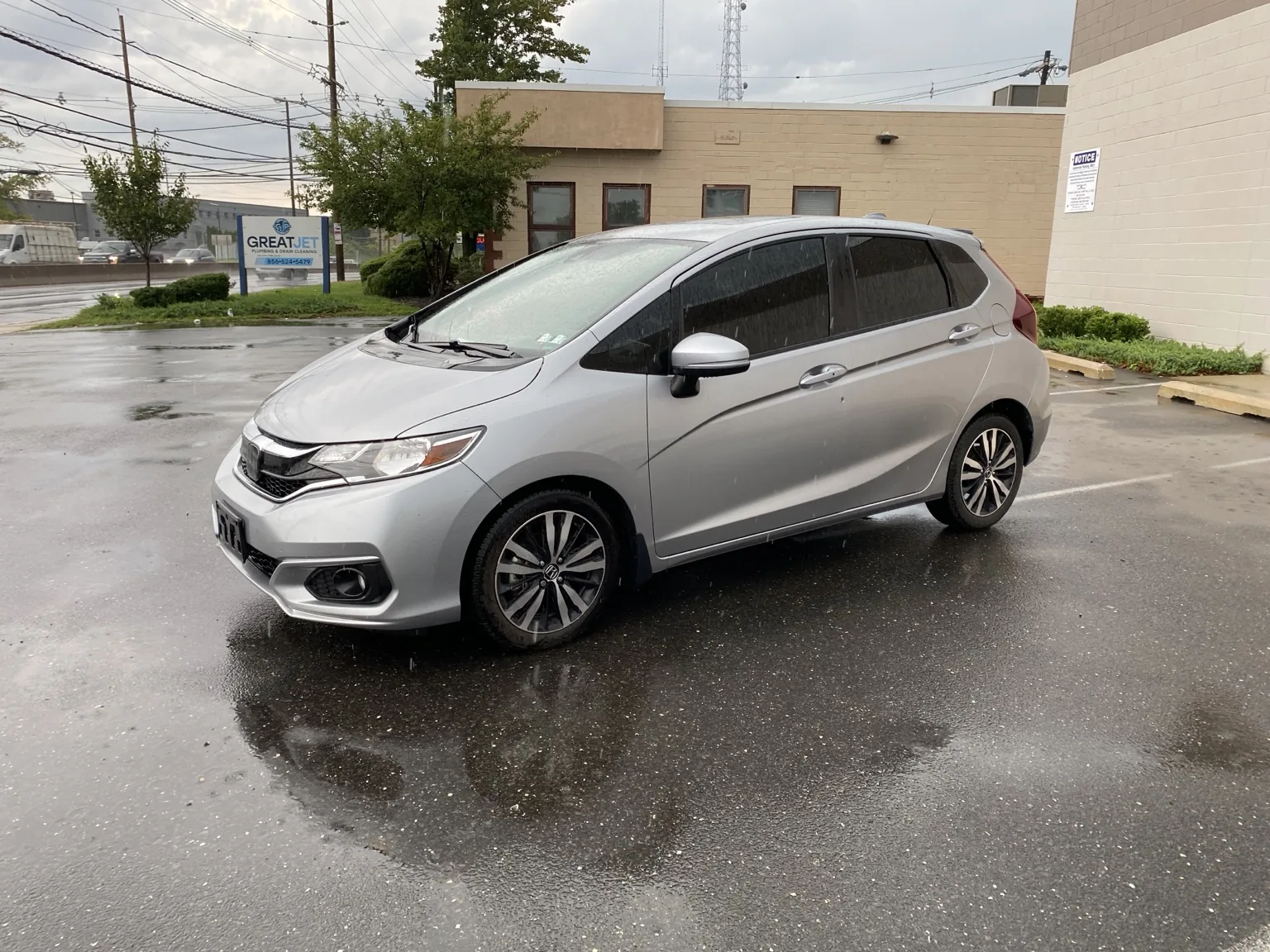
35% is normally our safest overall recommendation while still giving the windows a visibly tinted appearance.
It's substantially easier to see through at night than 15%, 5% or 1%.
But there's a tradeoff.
35% isn't going to provide the same level of privacy as 20% or 15%.
That's why we don't automatically tell everybody who drives at night to choose 35%.
Is 50% Tint Better for Night Driving?
If nighttime visibility is your number-one priority, 50% is an even lighter option.
It allows considerably more visible light through than 20%, 15% or 5%.
The tradeoff is privacy.
A customer who tells us:
"I don't care about privacy. I just want something light that I can see through easily at night."
is very different from someone saying:
"I drive every night, but I don't want people easily seeing inside my vehicle."
The first customer may be happier with 50%.
The second may be better suited for 20%.
Is 20% Tint Good for Night Driving?
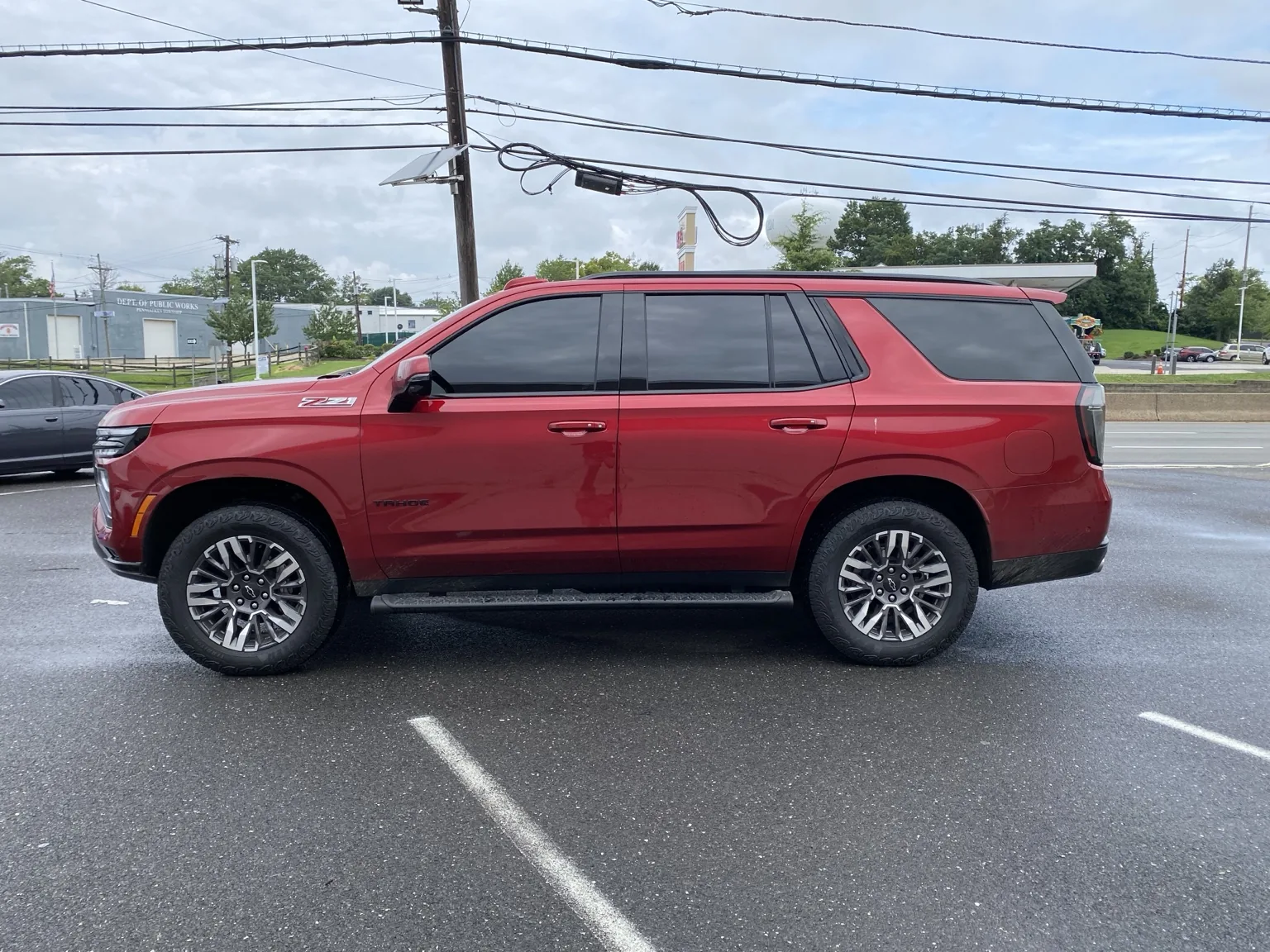
20% is manageable at night for many drivers.
It's also one of our favorite recommendations when someone wants a combination of:
- Privacy
- A dark appearance
- Reasonable nighttime visibility
- Everyday drivability
Here's a common type of conversation we have at our shop:
Customer: "I've never had tinted windows before. I drive at night every day, but I want privacy."
Our recommendation would usually be:
20%.
We wouldn't automatically recommend 35% because the customer specifically told us privacy matters.
20% gives them considerably more privacy while remaining manageable at night for many drivers.
Is 15% Tint Too Dark at Night?
15% is darker than 20%, so you're giving up additional visible light in exchange for more privacy.
In our experience, 15% is still somewhat manageable for many drivers, particularly people who are already comfortable driving with darker tint.
But if someone has never had tinted windows and tells us nighttime visibility is a major concern, 15% wouldn't normally be our first recommendation.
We'd discuss 20% or something lighter first.
Is 5% Tint Hard to See Through at Night?
Yes.
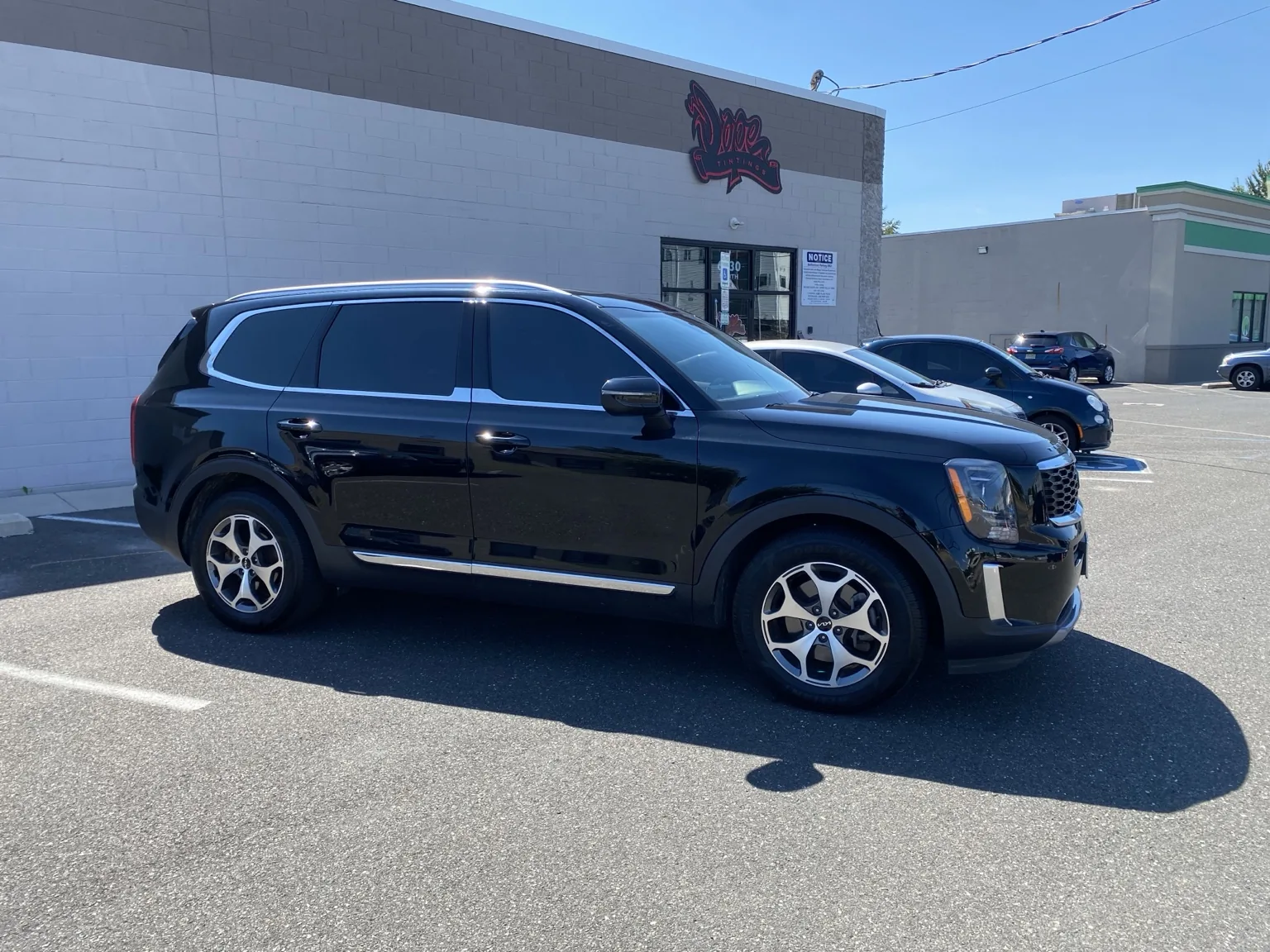
5% is where nighttime visibility becomes significantly more difficult for many drivers.
We've tinted plenty of vehicles with 5%, and we've also had customers discover afterward that living with 5% at night was harder than they expected.
The problem becomes especially noticeable when you're trying to look through the side glass in a poorly lit area.
We've seen drivers have difficulty:
- Making left or right turns
- Looking for pedestrians
- Seeing into dark side streets
- Checking their surroundings while parking
- Seeing objects in poorly lit parking lots
There are also experienced drivers who have used 5% for years and know exactly what they're getting into.
That's different from a first-time tint customer choosing 5% simply because they like how it looks during the day.
What Is 1% Tint Like at Night?
Extremely dark.
1% allows very little visible light through the glass.
If 5% is already difficult for nighttime driving, 1% takes that visibility problem considerably further.
Some customers specifically want extreme privacy and understand the tradeoff.
But we would never recommend 1% to somebody who walks into our shop saying:
"My main concern is seeing well at night."
Maximum darkness and maximum nighttime visibility are two goals that work against each other.
Does Having a Backup Camera Make 5% Tint Fine at Night?
A backup camera definitely helps while backing up.
Modern camera systems can remove some of the difficulty of trying to see directly through a very dark rear window.
But a backup camera doesn't eliminate the importance of the side windows.
Imagine making a right or left turn on a poorly lit street.
You still need to look through the side glass to see what's around you.
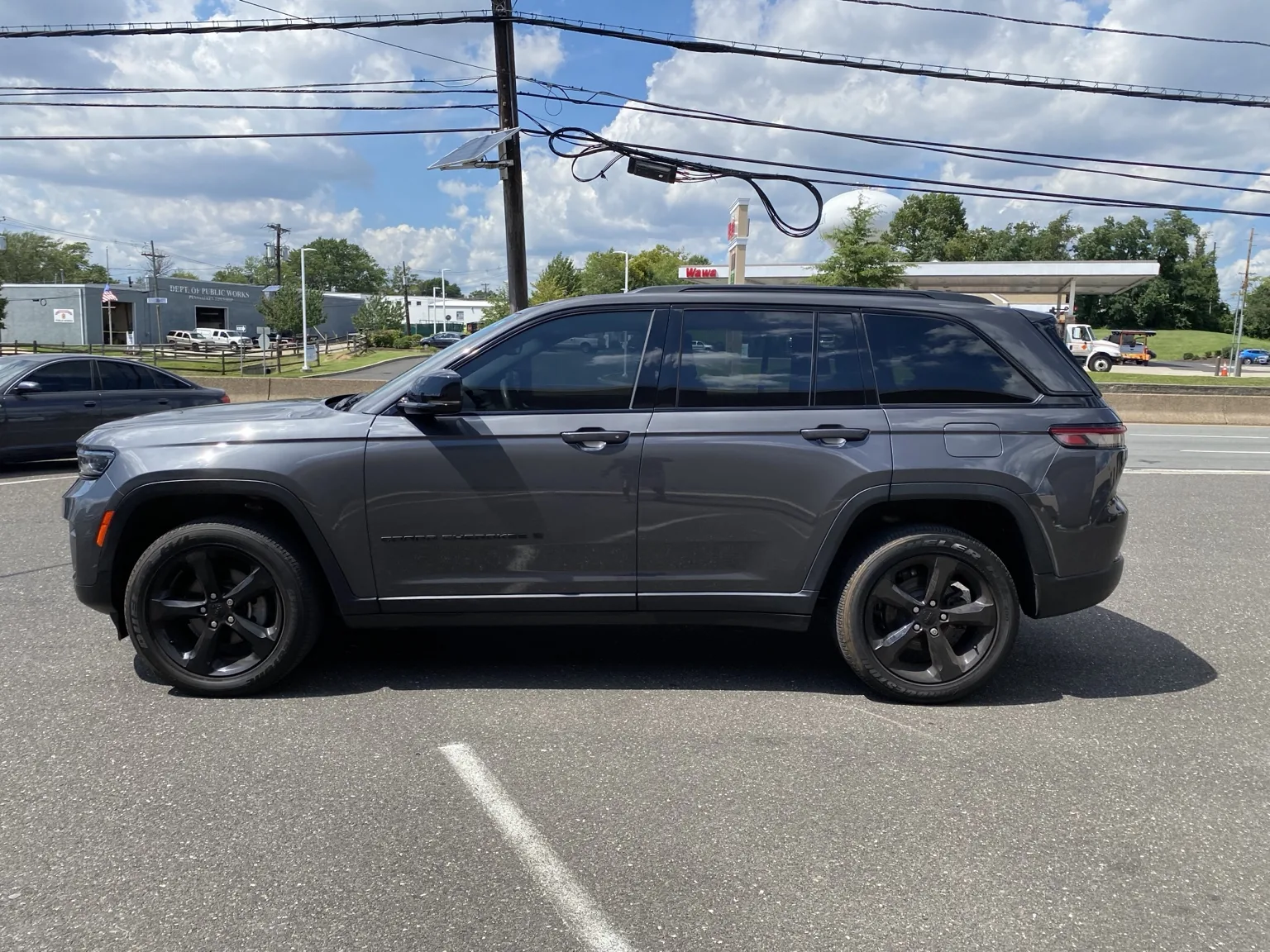
A pedestrian, cyclist or another vehicle can be much harder to see through 5% when the surrounding area is dark.
That's why we still consider side-window visibility important even on vehicles equipped with excellent camera systems.
Does Road Lighting Change How Dark Tint Feels at Night?
Absolutely.
Two people can have the exact same 20% tint and have very different experiences.
Someone driving around well-lit commercial areas in South Jersey or Philadelphia may find 20% perfectly manageable.
They're surrounded by:
- Streetlights
- Storefront lighting
- Traffic lights
- Other vehicles
- Illuminated parking lots
Take the same vehicle onto a dark rural road with very little surrounding light and 20% can feel noticeably different.
This is one reason we don't recommend window tint based solely on a percentage chart.
We want to know where and how you actually drive.
Does Rain Make Dark Tint Harder to See Through at Night?
It depends heavily on which window we're discussing.
With the side windows, we generally find 20% and 15% manageable for many drivers. 5% is where the nighttime visibility problem becomes much more noticeable.
The windshield is different.
Rain, darkness and poor road lighting can have a much greater effect on forward visibility because the windshield is the main piece of glass you're looking through while driving.
That's why our side-window and windshield recommendations aren't the same.
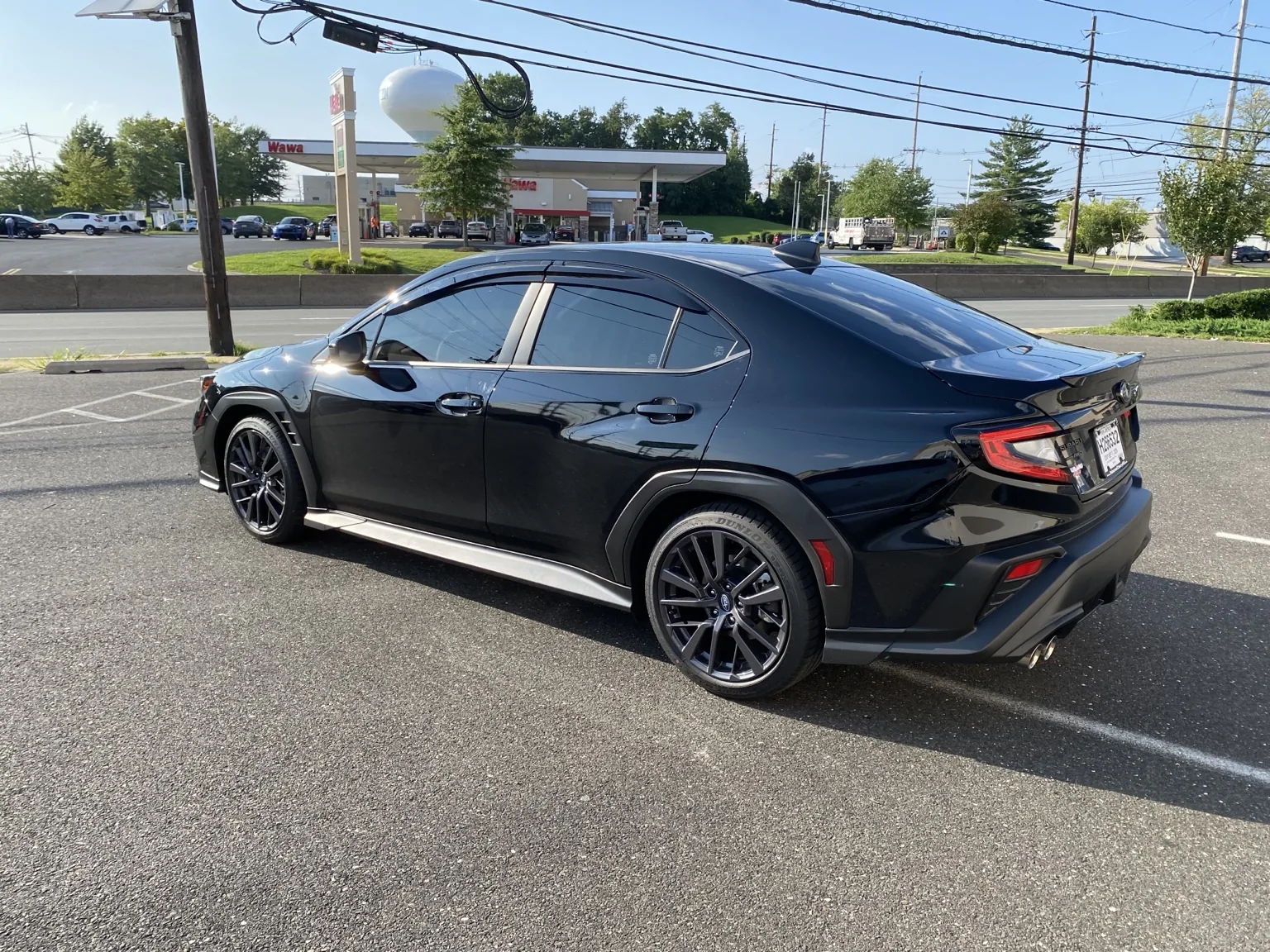
What Windshield Tint Percentage Is Best for Night Driving?
If nighttime visibility is a priority, we prefer keeping the windshield considerably lighter than dark side-window tint.
For visibility alone:
50% is the more comfortable windshield choice.
35% is about as dark as we'd personally recommend going for someone who tells us nighttime visibility matters.
We would not recommend somebody use 20% across the windshield simply because they're comfortable with 20% on their side windows.
The windshield is different because you're looking through it almost continuously while driving.
Side windows become especially important while turning, checking traffic and parking, but the windshield controls your primary forward view.
Window-tint laws also need to be considered separately before installing aftermarket film on a windshield or other regulated glass.
Should Your Windshield and Side Windows Be the Same Percentage?
Not if nighttime visibility is important to you.
A customer might be perfectly comfortable with:
20% side windows
while preferring:
50% on the windshield.
Those percentages are doing different jobs on different pieces of glass.
Choosing 20% for your sides does not mean you should automatically put 20% across your windshield.
Is Ceramic Tint Easier to See Through at Night?
No—not simply because it's Ceramic.
This is a misconception we hear from customers.
If you're comparing the same VLT:
5% Standard is still 5%.
5% Carbon is still 5%.
5% Ceramic is still 5%.
Ceramic can provide higher heat-rejection performance, but it doesn't turn an extremely dark percentage into a light nighttime-driving film.
If someone tells us:
"I want 5%, but I'm worried I won't be able to see at night,"
we'd rather recommend a lighter percentage than sell them more expensive Ceramic and pretend it solves the darkness problem.
For a deeper explanation, read Can You See Through Ceramic Tint Better?.
Why Do We Ask About Night Driving Before Recommending Tint?
Because what looks good in a photograph isn't necessarily what you'll enjoy driving with every night.
Before recommending something extremely dark, we want to understand what the customer is trying to accomplish.
We may ask:
Have you had tinted windows before?
How much privacy do you want?
Do you drive frequently at night?
Are most of the roads you drive well lit?
Are you already comfortable with very dark tint?
We've had customers choose 5% and later decide it was too difficult for them at night.
Asking these questions before installation helps us recommend something that better fits how the customer actually uses the vehicle.
What If I Already Drive With 5% and Like It?
Then that's useful information.
There are experienced customers who have driven with 5% for years.
They know how it looks during the day.
They know what happens at night.
They understand the visibility tradeoff.
If that customer comes into Dope Tintings and specifically requests 5%, we'll explain the options and give them what they want.
That's different from a first-time tint customer who has never experienced 5% and tells us they drive on dark roads every night.
Our recommendation changes based on the conversation.
What Percentage Is Best if I Want Privacy and Nighttime Visibility?
For that combination, 20% is our normal recommendation.
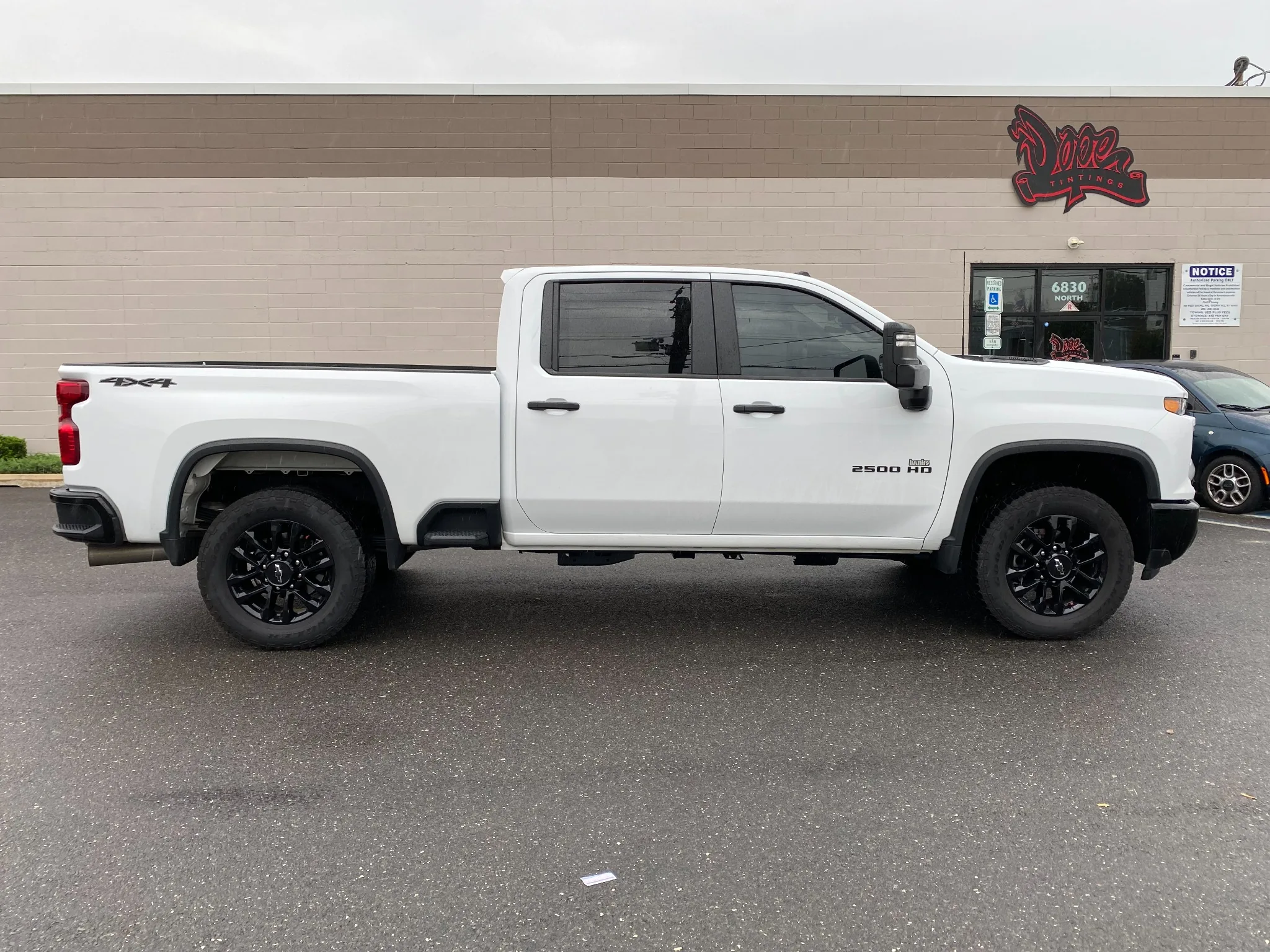
35% is easier to see through, but it doesn't provide the same privacy.
15% provides more privacy but becomes darker at night.
5% provides substantial privacy but creates a significant nighttime visibility tradeoff.
That's why 20% sits in a useful middle ground.
It's dark enough to provide meaningful privacy while remaining manageable at night for many drivers.
If privacy isn't important and nighttime visibility is your main concern, move lighter toward 35% or 50%.
Window Tinting for Daily Drivers in South Jersey
Choosing a percentage is about more than deciding how dark you want your vehicle to look while it's parked.
At Dope Tintings, we want the percentage to make sense for how you actually use the vehicle.
That's especially important for daily drivers that spend a lot of time on the road after dark.
If you're comparing percentages before scheduling an installation, our South Jersey window tinting service explains the automotive tinting options available at our Pennsauken shop.
Drivers coming from nearby Camden can also review our Camden, NJ window tinting service page for local service information.
The goal isn't to force every customer into the same percentage.
It's to help you understand what you're gaining—and what you're giving up—as the tint gets darker.
Frequently Asked Questions About Tint and Night Driving
Is 20% tint too dark to see through at night?
For many drivers, no. We consider 20% manageable at night and commonly recommend it to customers who want privacy while still driving frequently after dark.
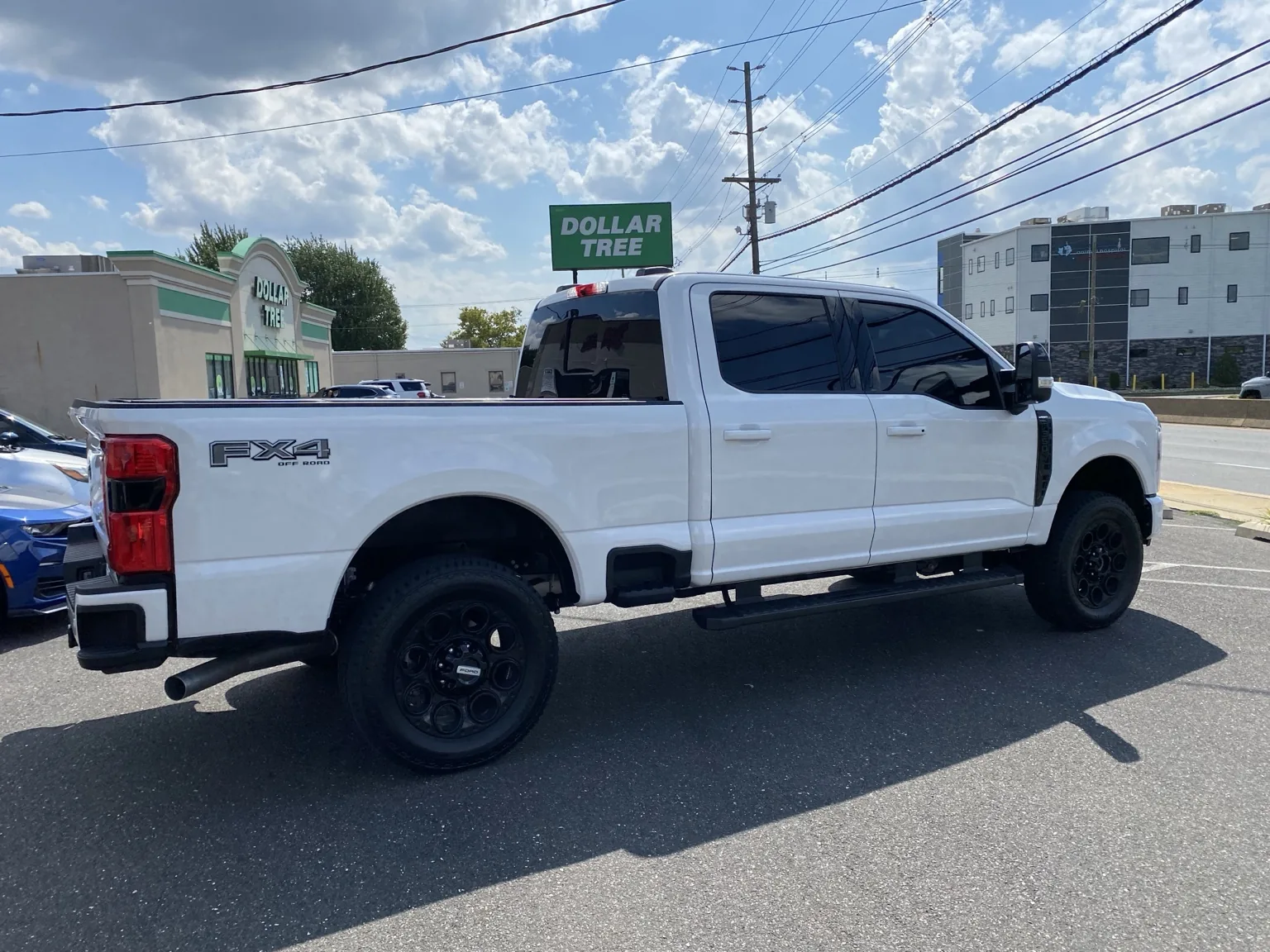
Is 35% tint better than 20% for night driving?
Yes, if visibility is the priority. 35% allows more visible light through and is easier to see through at night, while 20% provides considerably more privacy.
Can you see through 5% tint at night?
Yes, but visibility can become very difficult in poorly lit areas. Turning onto dark streets and looking for pedestrians or objects through the side windows can be challenging.
Does Ceramic tint help you see better at night?
Ceramic doesn't change the fundamental VLT of the shade you choose. If nighttime visibility is the problem, choosing a lighter percentage is more useful than choosing a more expensive film technology at the same darkness.
What tint should I get if I've never had tinted windows before?
If you drive frequently at night and also want meaningful privacy, 20% is usually our starting recommendation. If visibility matters more than privacy, we'd discuss 35% or 50%.
What Tint Percentage Should You Choose for Night Driving?
If nighttime visibility is your main priority, our safest overall recommendation is 35%, with 50% providing even easier visibility.
If you want privacy and nighttime drivability, our normal recommendation is 20%.
If you want something darker and already understand the tradeoff, 15% can still be manageable.
Once you reach 5%, nighttime visibility becomes significantly more difficult.
And 1% is extremely difficult for nighttime driving.
Here's the simplest way we break it down:
| Your Main Goal | Percentage We'd Discuss |
|---|---|
| Maximum nighttime visibility | 50% |
| Night visibility + tinted appearance | 35% |
| Privacy + manageable night visibility | 20% |
| More privacy + darker appearance | 15% |
| Maximum privacy with major night tradeoffs | 5% or darker |
The best percentage isn't automatically the lightest or darkest option.
It's the percentage that fits how you actually drive and what you want the tint to accomplish.
You can compare our current Window Tint Packages to see the Standard, Carbon and Ceramic options available.
If you're still unsure which percentage makes sense, contact Dope Tintings and tell us how much you drive at night, how much privacy you want and whether you've driven with tint before.
Or call 856-577-4119.
Dope Tintings
6830 N Crescent Blvd
Pennsauken NJ 08110