New Jersey Window Tint Laws Explained (2026 Guide)
New Jersey window tint laws explained in plain terms by a shop with 20+ years and 30,000+ installs. What's legal, what's not, and how to choose the right setup for your vehicle.
New Jersey Window Tint Laws Explained (2026 Guide)
If you're searching for New Jersey window tint laws, you're likely trying to understand what's legal, what's not, and how dark you can go without running into issues on the road.
At Dope Tintings in Pennsauken, NJ, we've been tinting vehicles for over 20 years and have completed more than 30,000 window tint installations across South Jersey. In this guide, we break down New Jersey tint laws in real-world terms based on experience — not just technical definitions.
New Jersey Window Tint Laws Overview
New Jersey has some of the strictest window tint laws in the country.
In general:
- Front driver and passenger windows: No aftermarket tint allowed
- Windshield: No aftermarket tint allowed (except a small AS-1 strip at the top)
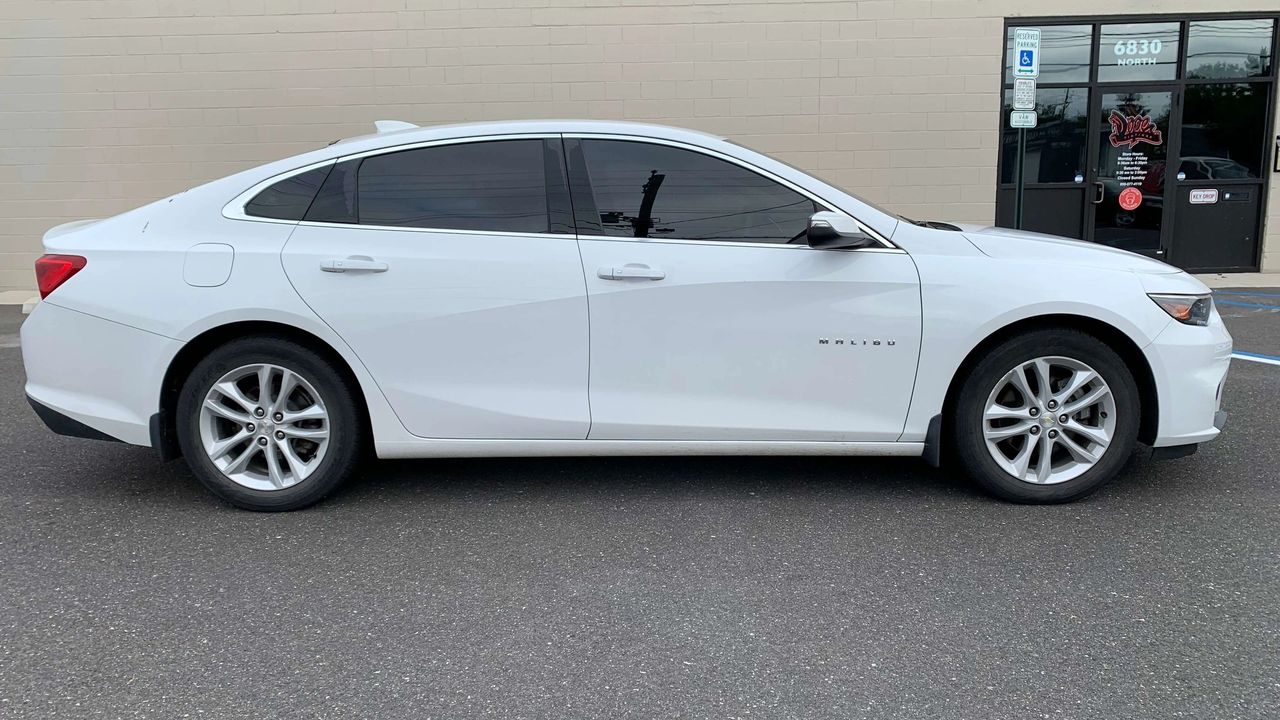
- Rear doors and rear window: Any darkness is allowed
This is why you often see vehicles in New Jersey with very dark rear windows and lighter or untinted front windows.
Biggest Misconception About NJ Tint Laws
One of the most common misconceptions is that any darkness is illegal in New Jersey. That is not true.
Rear windows can legally be extremely dark, including very low percentages. The restriction mainly applies to the front two windows and windshield.
Another misconception is that police will pull over every tinted vehicle. In reality, enforcement varies depending on the situation and visibility into the vehicle, especially if front windows or windshield are tinted.
Customers also often believe medical exemptions are simple, but they require proper documentation, physician approval, and submission to the state of New Jersey. Approved installations must also be performed by authorized facilities following the exemption process.
Why Customers Still Tint Their Front Windows
Even though front window tint is not legal in New Jersey, many customers still choose to tint them because:
- Improved vehicle appearance
- Increased privacy
- Heat reduction
- UV protection
- A more complete, uniform look
From our experience, most customers are not trying to ignore the law — they simply want the vehicle to look finished and gain the benefits of full tint coverage.
Most Common Question: "What's the Darkest Legal Tint in NJ?"
Customers constantly ask what the darkest legal tint is. The answer depends on the window:
- Rear windows: can go very dark
- Front windows: must remain clear (in most cases)
- Windshield: not permitted except for small top strip
We always explain this clearly before any installation so customers understand both their options and the risks.
Best Tint Percentage for New Jersey Drivers
For daily drivers, we typically recommend a balanced setup:
- 35% on front windows (for visibility and reduced attention)
- 15%–20% on rear windows for privacy and appearance
Going from a light front to extremely dark rear (like 5%) can create a very sharp contrast that some customers prefer, but many choose a more blended look.
Real Example: When Customers Get Tickets
We've had customers return after receiving traffic stops or tickets due to extremely dark tint.
In one case, a customer insisted on going with very dark film despite our recommendation. After being stopped and ticketed, they returned for adjustments and had the tint modified.
The lesson is simple: darker is not always better if your goal is to avoid attention on the road.
How We Help Customers Choose the Right Tint
When customers come in, the first question we ask is: "What do you want your tint to do for you?"
Some want a dark, aggressive look. Others want privacy or heat rejection. Based on that, we recommend a setup that balances:
- Appearance
- UV protection
- Heat reduction
- Visibility
We always explain both the benefits and the legal considerations before installation.
Biggest Mistake People Make With NJ Tint Laws
The biggest mistake drivers make is choosing tint based on advice from friends or the cheapest price instead of professional guidance.
Window tint is an investment. A poor installation can lead to:
- Bubbles and contamination
- Peeling or fading
- Multiple removal and reinstall costs
- Damage to interior panels or glass
Choosing the wrong shop can cost more in the long run than doing it right the first time.
Also, telling law enforcement that your front windows or windshield came from the factory that way is never a good approach. It's always best to look up your state window tint law and follow it accordingly.
What a High-Quality Tint Job Looks Like
A professional installation should always have:
- Clean, tight edges
- Minimum to no dust or contamination
- Smooth, uniform finish
- Proper film shrinking on rear glass
- A clean, seamless appearance
At Dope Tintings, we take our time with every vehicle because quality always comes before speed. A rushed job done in 30–45 minutes will never compare to a proper install that takes time and attention.
Final Advice Before Tinting Your Vehicle in NJ
If you're thinking about tinting your vehicle, the most important decision is not the shade — it's the shop you choose.
Look for:
- Experience
- Real customer reviews
- Clean installation work
- Consistency
- A shop that educates you, not just sells you
Most importantly, make sure the job is done right the first time. Because if it's not, you'll end up paying twice — once for the bad install, and again to fix it.
At Dope Tintings in Pennsauken, New Jersey, we've built our reputation on doing the job right the first time for over 20 years.