
Is Ceramic Tint Really Worth the Extra Money?
Is ceramic tint worth the extra money? See when paying more for ceramic makes sense, when carbon or standard tint is enough, and what customers should realistically expect from ceramic heat rejection.
Is Ceramic Tint Really Worth the Extra Money?
Yes, ceramic tint is worth the extra money if maximum heat rejection is one of your main goals. If you mainly want darker windows, privacy, or appearance and don't care about maximum heat rejection, you may be better off saving your money and choosing Standard or Carbon film. At Dope Tintings, Ceramic starts at $424.99 for a typical sedan, compared with $324.99 for Carbon and $224.99 for Standard.**
After more than 20 years of tinting vehicles, one of the first things we ask when someone says they want ceramic tint is:
"What are you expecting ceramic to do for you?"
That's important because ceramic isn't automatically the best purchase for every customer.
We've actually talked customers out of buying Ceramic when what they wanted didn't justify paying for it.
If you want maximum heat rejection and greater cabin comfort, Ceramic makes sense.
If you simply want your windows tinted because you like the appearance or want privacy, you may be paying extra for a benefit that isn't important to you.
How Much More Does Ceramic Tint Cost?
For a typical sedan at Dope Tintings, our current starting prices for the sides and rear are:
| Film | Starting Price | Best For |
|---|---|---|
| Standard | $224.99 | Appearance and privacy |
| Carbon | $324.99 | Appearance, privacy and better heat rejection |
| Ceramic | $424.99 | Maximum heat rejection and cabin comfort |
That means Ceramic starts approximately:
$200 more than Standard
and
$100 more than Carbon.
So the real question isn't:
"Is Ceramic better?"
The better question is:
"Is maximum heat rejection worth another $100 or $200 to me?"
For some customers, absolutely.
For others, no.
What Are You Actually Paying Extra for With Ceramic Tint?
At Dope Tintings, you're primarily paying extra for heat-rejection performance and comfort.
You're not paying twice as much because Ceramic is supposed to last twice as long.
Our professional Standard, Carbon and Ceramic lifetime-warranty films are all designed for long-term use when properly installed and maintained.
They also provide comparable optical clarity within equivalent VLT categories, and the professional films we use provide high UV protection according to their product specifications.
The major performance difference as you move through our film options is heat rejection.
That's why we don't tell customers:
"Ceramic costs more because everything about it is automatically better."
We explain what the extra money is actually buying.
Who Should Buy Standard Window Tint?
Standard is for the customer who tells us:
"I just want my windows tinted."
Maybe you want:
- Privacy
- A darker appearance
- A certain tint percentage
- A cleaner-looking vehicle
If heat rejection isn't important to you, we don't see a reason to automatically push you into our most expensive film.
We regularly recommend Standard to customers who originally ask about Ceramic once we learn that heat rejection isn't actually one of their priorities.
Why spend money for a benefit you don't care about?
Who Should Buy Carbon Window Tint?
Carbon is our middle-ground recommendation.
It's a good fit for someone who wants everything they would get from a normal tint installation but also wants better heat rejection.
This customer might tell us:
"I want the car to look good, but I'd also like to cut down some of the heat."
That's a good Carbon customer.
Carbon starts at $324.99 for a typical sedan, placing it directly between our Standard and Ceramic options.
And unlike someone chasing maximum heat rejection with Ceramic, a Carbon customer may be perfectly happy treating the sides and rear without feeling like every major glass area needs to be addressed.
For a detailed comparison between the two technologies, read Carbon vs. Ceramic Window Tint: What's the Difference?.
Who Should Pay Extra for Ceramic Tint?
Ceramic makes the most sense for the customer who tells us:
"Heat is my biggest problem. I want the maximum heat rejection you offer."
That's the Ceramic customer.
It can also make sense for someone who spends a lot of time driving in direct sunlight or places a particularly high value on reducing solar heat entering the vehicle.
But if maximum heat rejection is the reason you're paying for Ceramic, there's another part of the conversation customers need to understand.
You have to think about more than the side windows.
Is Ceramic Worth It If You Only Tint the Sides and Rear?
Ceramic will still provide its performance benefits through the glass where it's installed.
But if your goal is maximum whole-vehicle heat rejection, only tinting the sides and rear leaves major glass areas untreated.
The biggest one is usually the windshield.
If your vehicle has a large sunroof or panoramic roof, that's another major area exposed to sunlight.
We've had customers choose Ceramic for their sides and rear and later tell us:
"I still feel heat coming into the car."
Then we have to look at where that heat is entering.
If the windshield is completely untreated, sunlight and solar energy are still entering through one of the largest pieces of glass on the vehicle.
The same applies to a large panoramic roof.
That's why we tell customers looking for maximum Ceramic performance to think about all of the major glass areas.
Does Ceramic Tint Keep a Parked Car Cool?
No.
This is one of the biggest expectations we want customers to understand before spending extra money.
Ceramic tint does not turn your parked vehicle into a refrigerator.
Leave any vehicle sitting outside in direct summer sunlight for several hours and the cabin is going to get hot.
Standard tint gets hot.
Carbon gets hot.
Ceramic gets hot.
The difference is how much solar heat the films are designed to reject.
Imagine two identical vehicles parked beside each other for three hours in direct sunlight.
One has Standard.
The other has Ceramic covering the major glass areas.
Both vehicles will be hot when you open the door.
The Ceramic vehicle can still have a thermal advantage, but the benefit becomes particularly useful once you start the vehicle and turn on the air conditioning.
What Happens Once You Turn the A/C On?
This is where customers can better understand what they're paying for.
Once the vehicle is running and the air conditioning begins cooling the cabin, the window film is helping reduce incoming solar heat through the treated glass.
That means the A/C isn't fighting the same amount of incoming solar energy it would through untreated or lower-performing glass.
In our experience, a vehicle with Ceramic covering the major glass areas can:
Cool down faster and maintain a more comfortable cabin while driving.
That's a much more realistic expectation than:
"Ceramic means my car will never get hot."
Does the Windshield Really Make That Much Difference?
Yes.
We've learned this through actual customer vehicles.
Earlier in my tinting career, before I understood Ceramic performance as well as I do today, we had customers install Ceramic on the sides and rear but leave the windshield untreated.
Some later questioned why they could still feel so much heat.
The answer became obvious:
A major source of incoming solar heat was still untreated.
Once you're paying for Ceramic specifically because you want maximum heat rejection, the windshield becomes an important part of the conversation.
A panoramic roof or sunroof can matter for the same reason.
Of course, any windshield or front-glass installation must also be considered separately under the applicable state window-tint laws.
Does Ceramic Tint Last Longer Than Standard or Carbon?
Ceramic isn't worth the additional money simply because someone tells you it will last twice as long.
That's not how we explain our film lineup.
Our professional lifetime-warranty Standard, Carbon and Ceramic films all have the potential for long service life when they're properly installed and maintained.
The construction and performance technology inside the films differ.
The reason we're charging more as you move toward Ceramic is primarily the performance you're receiving, especially heat rejection.
You're buying additional comfort.
Is Ceramic Tint Clearer to See Through at Night?
Not simply because it's Ceramic.
This is another reason customers sometimes pay extra for the wrong reason.
If you're comparing the same VLT:
5% Standard is still 5%.
5% Carbon is still 5%.
5% Ceramic is still 5%.
The same principle applies to:
15%
20%
35%
The percentage controls how much visible light passes through the film.
The film technology affects other performance characteristics.
So don't buy 5% Ceramic expecting it to suddenly provide the nighttime visibility of 20% or 35%.
If you want a full explanation, read Can You See Through Ceramic Tint Better? Day & Night Visibility Explained.
Is 20% Ceramic Easier to See Through Than 20% Standard?
If you're comparing professional-quality films in the same approximate VLT category, you should expect a similar level of darkness.
Ceramic doesn't magically make 20% behave like a lighter percentage.
That's why we separate two decisions:
How dark do you want your windows?
and
How much heat rejection do you want?
Those are not the same question.
Choose the VLT based on appearance, privacy and visibility.
Choose the film technology based on performance.
Is Ceramic Tint Worth $100 More Than Carbon?
If maximum heat rejection is important to you, yes, the additional $100 can absolutely make sense.
If you only want some heat rejection, Carbon may already give you what you're looking for.
That's why Carbon exists in our lineup.
We don't want every customer jumping from Standard directly to Ceramic simply because Ceramic is our highest-performing option.
For some customers, Carbon is the better value.
Is Ceramic Tint Worth $200 More Than Standard?
Again, ask yourself what you're buying.
If you're comparing our starting sedan prices:
Standard: $224.99
Ceramic: $424.99
you're spending approximately $200 more.
If you don't care about maximum heat rejection, keep your money.
Standard may accomplish exactly what you want.
If you hate the heat coming through your vehicle's glass and maximum heat rejection is one of your biggest priorities, that's where the additional Ceramic cost becomes much easier to justify.
Is Ceramic Tint Worth It in New Jersey?
It can be.
South Jersey summers can mean vehicles sitting in direct sun, driving during hot afternoons and running the A/C constantly.
But location alone doesn't mean every customer needs Ceramic.
Someone who mainly wants privacy may still be perfectly happy with Standard.
Someone wanting better heat rejection without paying for maximum performance may prefer Carbon.
Someone who wants the highest heat-rejection option we offer is the Ceramic customer.
The decision should start with your goal—not the name of the film.
Frequently Asked Questions About Whether Ceramic Tint Is Worth It
Is ceramic tint really worth the extra money?
Yes, ceramic tint is worth the extra money if maximum heat rejection and cabin comfort are important to you. If you mainly want privacy or appearance, Standard or Carbon may provide better value.
What is the biggest benefit of ceramic tint?
At Dope Tintings, the primary reason we recommend Ceramic over our other film options is its higher heat-rejection performance.
Is ceramic tint worth it if I don't care about heat?
Probably not for most customers. If your main goals are appearance and privacy, we would normally discuss Standard or Carbon before recommending our most expensive film.
Is carbon tint worth it instead of ceramic?
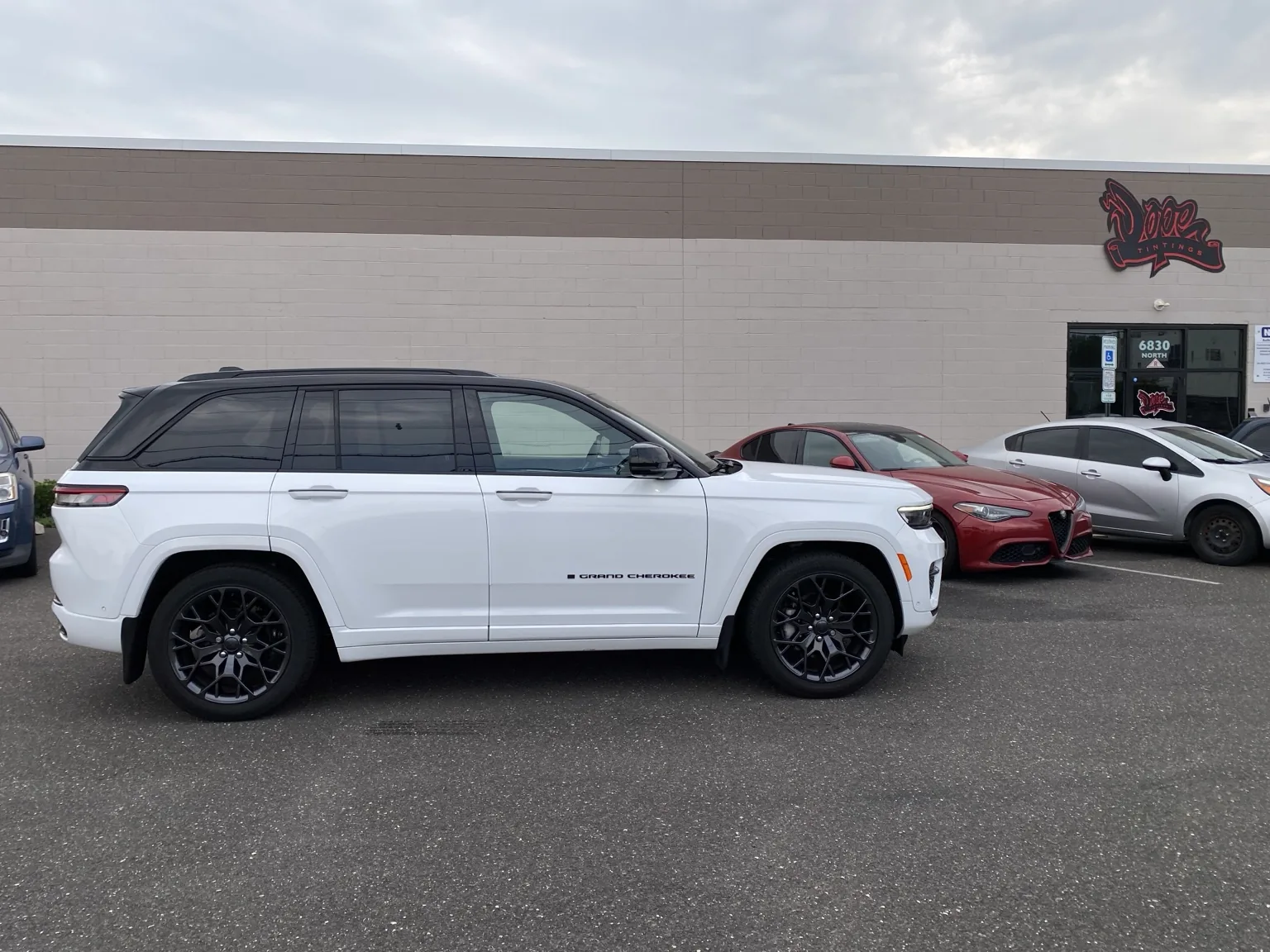
Carbon can be an excellent middle ground for someone who wants meaningful heat rejection but doesn't need our maximum heat-rejection option.
Will ceramic tint keep my car cool while parked?
Your vehicle will still get hot when it sits in direct sunlight for an extended period. Ceramic reduces incoming solar heat through the treated glass; it does not eliminate cabin heating entirely.
Do I need ceramic on the windshield too?
If your goal is maximum whole-cabin heat rejection, the windshield is an important glass area to consider. Any windshield installation must also comply with the applicable state laws and requirements.
Is ceramic tint worth it without tinting the windshield?
It can still provide benefits through the windows where it's installed. But if you're paying for Ceramic specifically to maximize whole-vehicle heat rejection, leaving a major glass area untreated limits the overall result.
Does ceramic tint make dark windows easier to see through at night?
No. Ceramic technology doesn't change the basic visible-light transmission of the shade you select. Extremely dark VLT remains difficult to see through in low-light conditions.
Ceramic Window Tint in Pennsauken and South Jersey
Dope Tintings has been installing automotive window film for more than 20 years.
We work with customers from Pennsauken, Camden, Cherry Hill, Maple Shade, Cinnaminson, Delran, Collingswood, Haddonfield, Marlton, Mount Laurel, Moorestown and throughout South Jersey.
When someone asks us:
"Is Ceramic worth the money?"
we don't automatically say:
"Yes, buy the most expensive film."
We ask:
"What are you trying to accomplish?"
If you want basic tint and privacy, we'll tell you.
If Carbon makes more sense for your goals, we'll tell you.
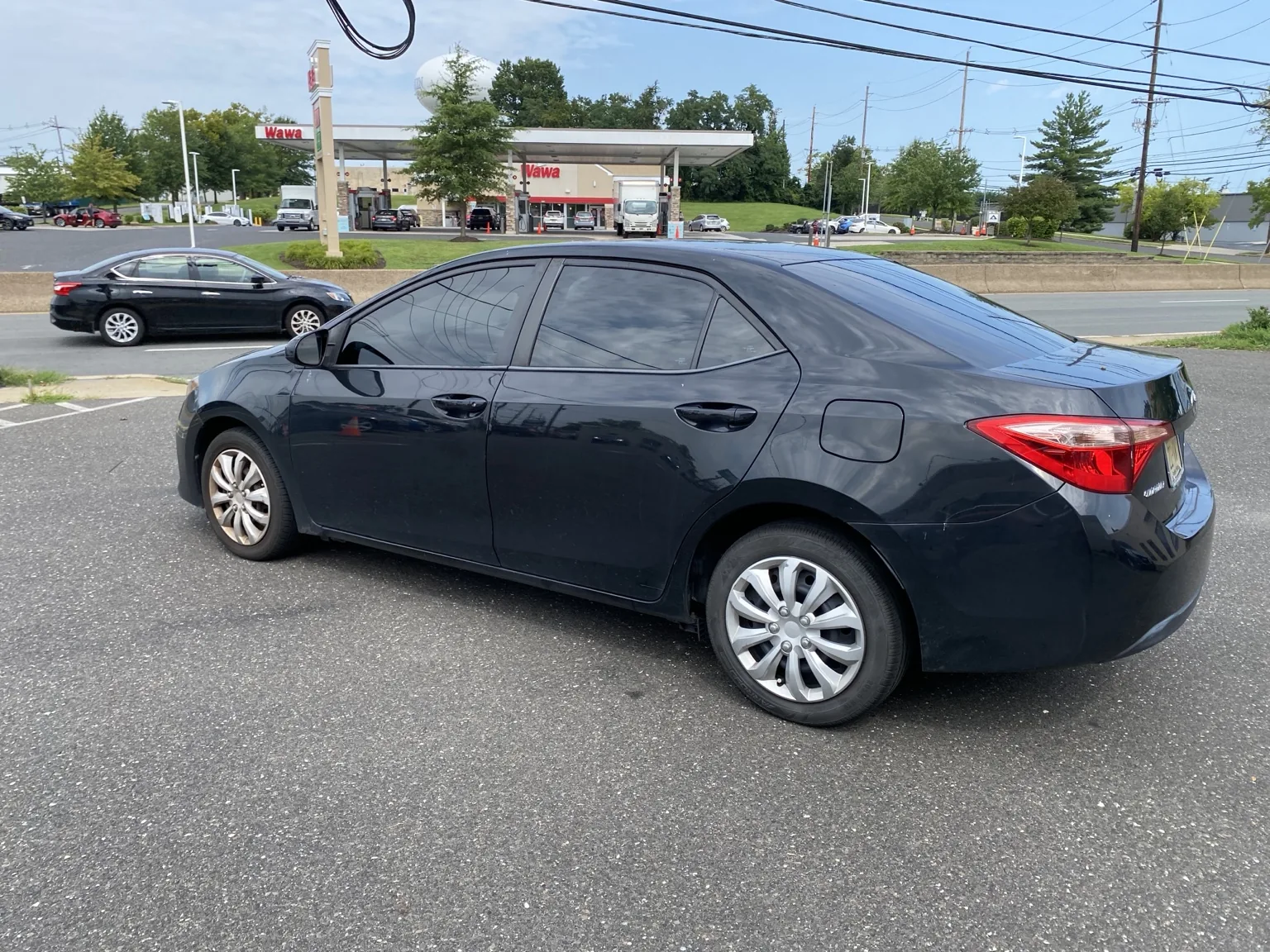
And if maximum heat rejection is what you're looking for, that's when Ceramic becomes our recommendation.
We're here to help you choose the film that makes sense for your goal, not simply sell you the most expensive package.
Final Answer: Is Ceramic Tint Really Worth the Extra Money?
Yes—Ceramic tint is worth the extra money when maximum heat rejection and cabin comfort are priorities.
At Dope Tintings, a typical sedan currently starts at:
| Film | Starting Price |
|---|---|
| Standard | $224.99 |
| Carbon | $324.99 |
| Ceramic | $424.99 |
Ceramic therefore starts approximately $100 more than Carbon and $200 more than Standard.
What you're primarily paying extra for is heat-rejection performance and comfort.
You're not paying extra because Ceramic magically makes 5% easier to see through at night.
You're not paying extra because your parked car will never get hot.
And you're not automatically paying extra because Ceramic will last twice as long as every other professional film.
If you mainly want:
Privacy + appearance → Standard may be enough.
If you want:
Privacy + better heat rejection → Carbon may be the better value.
If you want:
Maximum heat rejection + maximum cabin comfort → Ceramic is where spending the extra money makes sense.
And if maximum Ceramic performance is your goal, think about the entire vehicle's glass, including major untreated areas such as the windshield and sunroof or panoramic roof.
For a detailed film comparison, read Carbon vs. Ceramic Window Tint: What's the Difference?.
For nighttime visibility questions, read Can You See Through Ceramic Tint Better? Day & Night Visibility Explained.
Dope Tintings
6830 N Crescent Blvd
Pennsauken NJ 08110
856-577-4119