Is 70% Windshield Tint Worth It? Heat Rejection, Visibility and Appearance
Is a nearly clear windshield film worth installing? Learn what 70% Ceramic tint can do for heat rejection, how it looks and what to consider before choosing it in New Jersey.
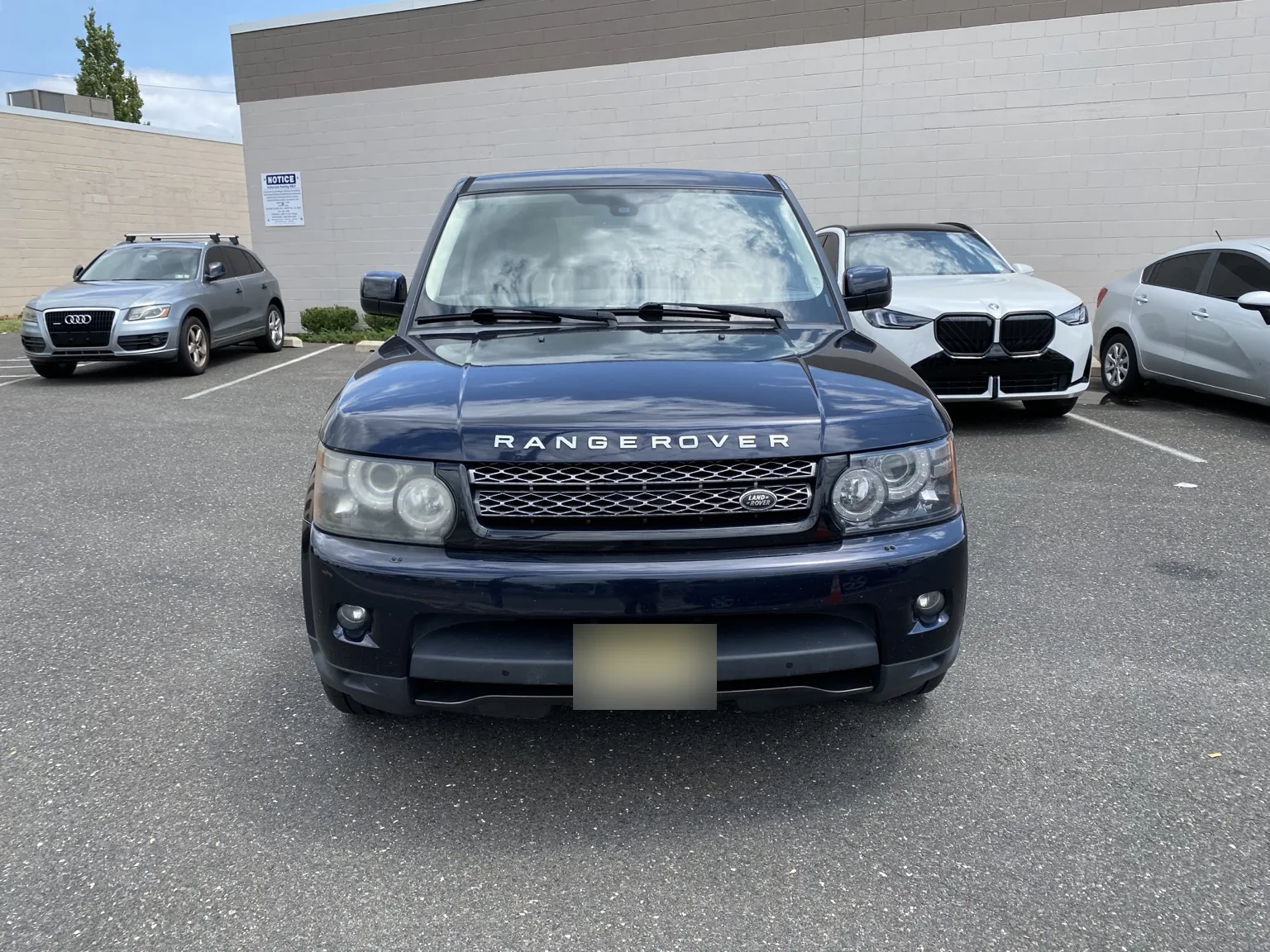
Yes, 70% windshield tint can be worth it if you want noticeable heat relief without a dark windshield. At Dope Tintings, our 70% option is Ceramic film, and we recommend it to customers who want heat rejection while keeping the windshield’s appearance relatively clear.
It is still window film. Depending on the lighting and viewing angle, you may be able to tell it has been installed. And if you drive in New Jersey, its light appearance does not automatically make a full-windshield installation legal; we explain that distinction below.
What Does 70% Windshield Tint Look Like?
A film labeled 70% allows substantially more visible light through than darker options such as 50% or 35%. From inside the vehicle, it maintains a relatively clear view through the windshield. From outside, it does not create the distinctly dark windshield appearance many customers associate with 35%.
We would describe our 70% Ceramic as pretty clear, but not completely invisible. You can sometimes tell there is film on the glass, especially when comparing it with an untreated windshield or viewing it under different lighting.
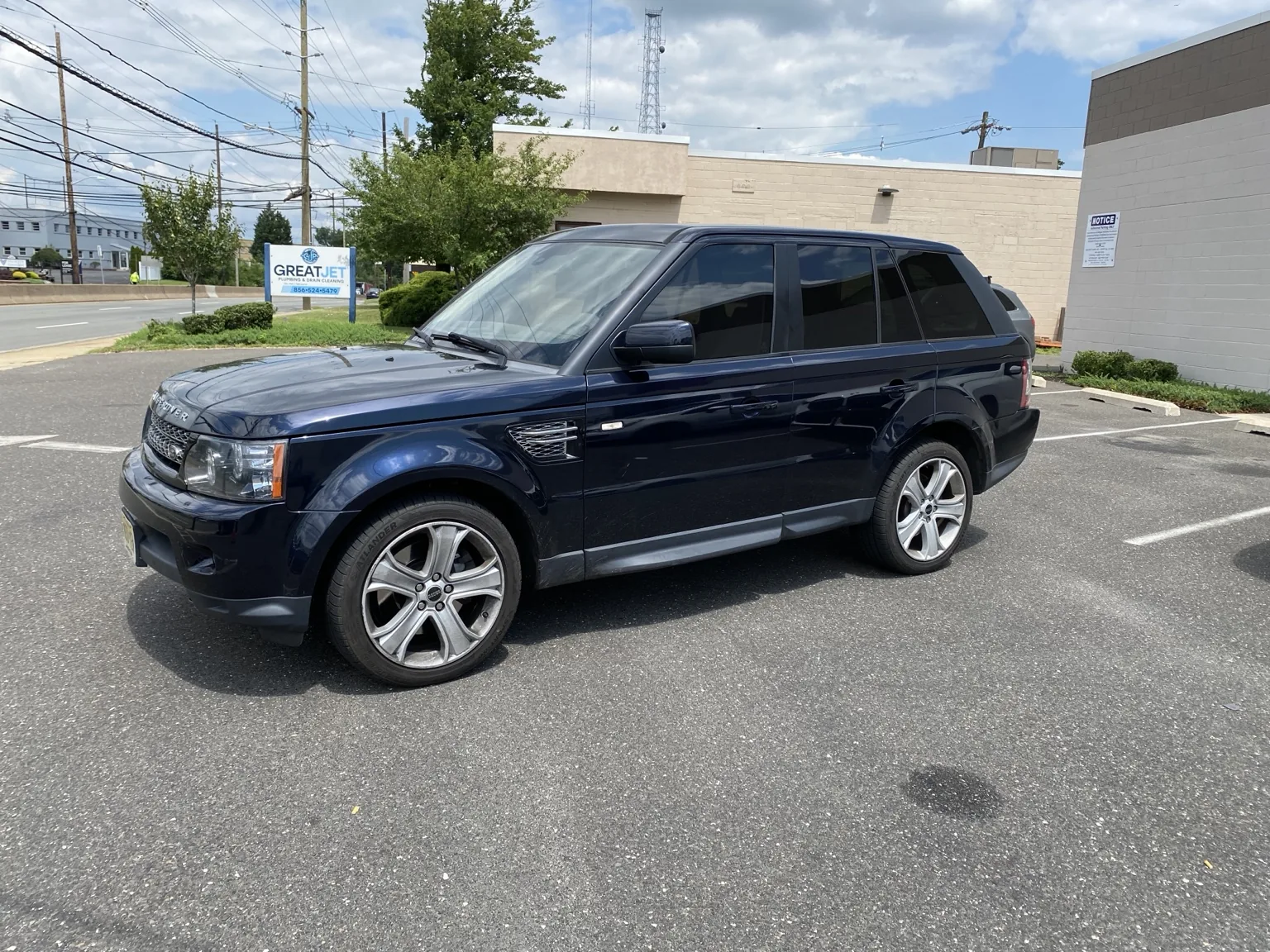
If your goal is a dark daytime appearance or considerable privacy through the windshield, 70% probably will not give you the look you want. If your goal is heat rejection without that dark look, it is an option we regularly recommend.
Does 70% Windshield Tint Actually Reject Heat?
Yes. In our experience, customers can notice a meaningful difference in solar heat coming through the windshield with our 70% Ceramic film. A film does not have to look dark to reject heat.
Tint percentage describes visible-light transmission; it does not, by itself, tell you how much solar heat a particular film rejects. Film construction matters. That is why we discuss both the percentage and the film package when helping someone choose windshield tint.
We do not promise a specific drop in cabin temperature. Comfort depends on sun exposure, the vehicle’s glass, whether other windows are treated, the air conditioning and whether the vehicle is moving or parked.
Is Dope Tintings’ 70% Film Carbon or Ceramic?
Our 70% film is Ceramic. We do not offer Carbon in 70%; 50% is the lightest Carbon film we carry.
| Option at Dope Tintings | What to expect |
|---|---|
| 70% Ceramic | Relatively clear appearance with noticeable heat relief |
| 50% Carbon | More visible shade than 70%, with a heat-rejection upgrade |
| 50% Ceramic | More visible shade than 70%, with our higher-performing Ceramic package |
The percentage and the package answer different questions. The percentage helps you choose how light or dark you want the windshield to appear. The package determines the film’s performance characteristics.
Is 70% Better Than 50% or 35% for Night Driving?
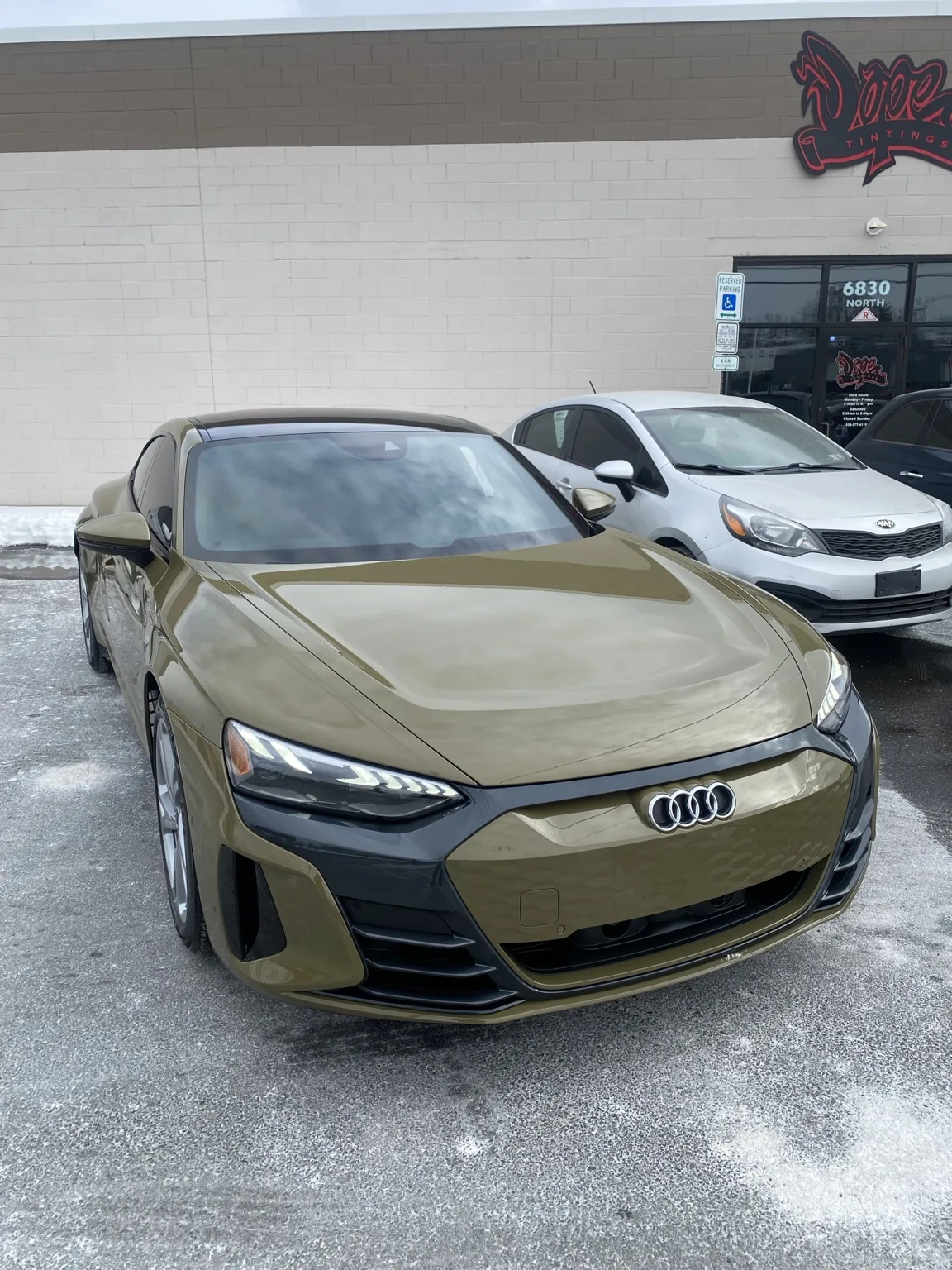
If you are comparing how much visible light the films allow through, 70% has an advantage over 50% and 35%. It creates less visible-light reduction, which may appeal to customers who regularly drive on dark roads or simply prefer a lighter-looking windshield.
That does not mean every driver will find 50% or 35% uncomfortable. At our shop, 35% is generally the darkest full-windshield percentage we recommend to customers who specifically want a noticeably tinted appearance. We also discuss 50% with customers who want some shade while allowing more light through than 35%.
| Percentage | General appearance | Main reason a customer might consider it |
|---|---|---|
| 70% | Relatively clear | Heat rejection without a dark windshield look |
| 50% | Light but more noticeable | Some visible shade with more light transmission than 35% |
| 35% | Noticeably dark | Darker daytime appearance, with a greater nighttime visibility tradeoff |
These are comparisons of labeled percentages, not a guarantee that a finished windshield will meter at exactly the film’s labeled number. Vehicle glass also affects the final result.
For a closer look at the darker option, read Is 35% Windshield Tint Too Dark at Night?.
Will 70% Windshield Tint Give Me Privacy?
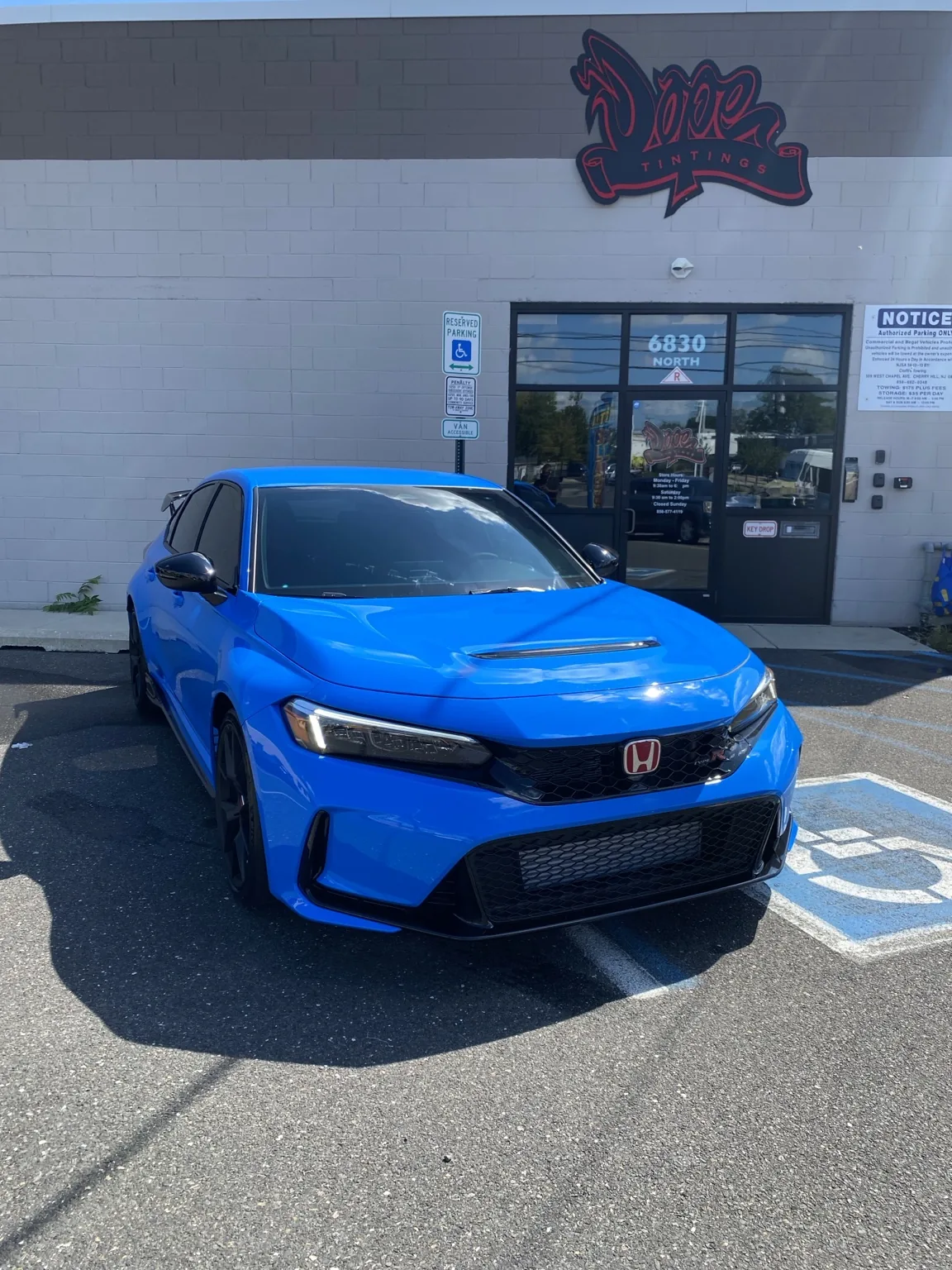
Do not choose 70% primarily for privacy. Its appeal is a relatively clear appearance with Ceramic heat rejection. People may still be able to see occupants and interior details through the windshield, depending on lighting and reflections.
Customers who want a noticeably dark windshield are usually considering a different percentage. That choice also brings greater visibility tradeoffs, particularly at night or in poor weather.
What About UV Protection and Glare?
Our film packages provide UV protection, and 70% lets customers choose a light appearance without assuming they need very dark glass for that benefit. The factory windshield itself may already block substantial UV; adding film does not mean the untreated windshield offered no protection.
For more on how glass and film affect occupants’ UV exposure, read Does Window Tint Protect Your Skin From UV Rays?.
A 70% film may change the amount of visible light entering through the windshield, but customers should not expect the same visible-brightness reduction they would get from a much darker film. If glare is your main concern, see our guide to whether window tint reduces glare while driving.
Is 70% Windshield Tint Legal in New Jersey?
A film labeled 70% is not automatically a legal full-windshield installation in New Jersey.
New Jersey allows qualifying drivers or passengers to obtain a medical exemption for approved sunscreening on the windshield and/or front side windows. NJMVC requires approval before installation and directs approved applicants to a licensed sunscreening facility.
Under the medical-exemption regulation, sunscreening on the windshield must maintain at least 70% visible-light transmission when measured together with the factory glass, except for the portion above the AS-1 line. Because the glass itself affects the combined measurement, applying a film labeled 70% does not establish that the finished windshield meets the 70% standard.
Check the current requirements and your vehicle’s eligibility before arranging windshield film. Our New Jersey window tint law guide provides more context, and NJMVC’s medical sunscreening instructions explain the approval process.
So, Is 70% Windshield Tint Worth It?
Yes, if your priority is heat rejection and you do not want a dark windshield. Our 70% Ceramic is relatively clear, although you can still tell film is present under some conditions. Customers looking for a darker daytime appearance may prefer discussing 50% or 35% instead, while also considering nighttime visibility and New Jersey’s rules.
If you want help comparing these options, explore our Windshield Tinting in South Jersey service page or contact Dope Tintings in Pennsauken.