Is 35% Windshield Tint Too Dark at Night?
Is 35% windshield tint too dark for nighttime driving? Compare 35% with 50%, learn what affects visibility and see what Dope Tintings recommends.
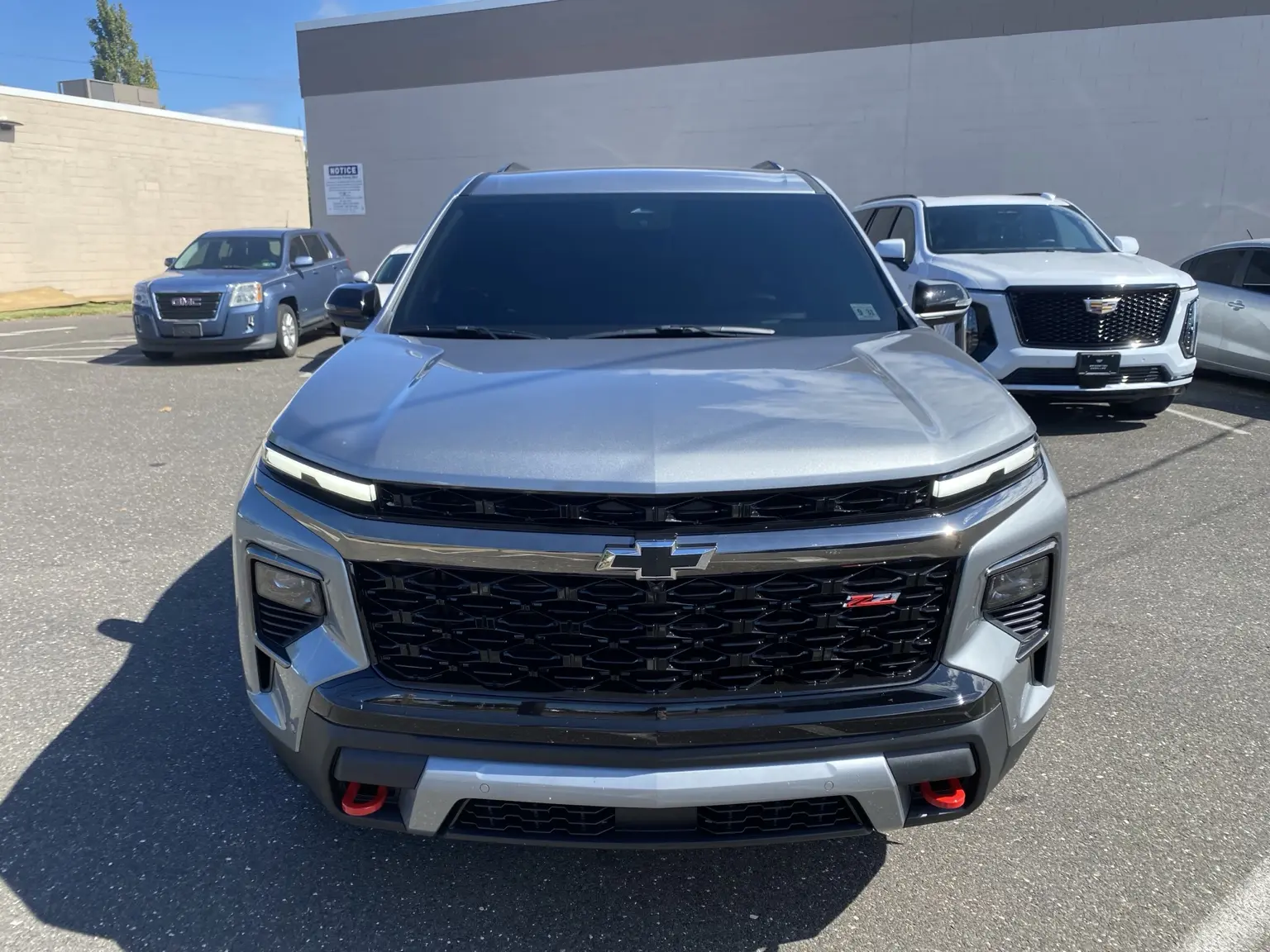
For many customers who are already comfortable driving with a noticeably tinted windshield, 35% is manageable at night. At Dope Tintings, 35% is the darkest full-windshield percentage we normally recommend because it provides a dark daytime appearance while remaining more practical at night than percentages such as 25%, 20% or 15%.
However, 35% still reduces the visible light entering through the windshield. Customers who frequently drive on poorly illuminated roads, have difficulty seeing at night or prioritize visibility over daytime privacy may be more comfortable with 50%.
What Does 35% Windshield Tint Mean?
A film labeled 35% is designed to allow approximately 35% of visible light to pass through the film.
That does not mean the completed windshield will always meter at exactly 35%. The vehicle’s original glass already affects visible-light transmission, so the final measurement can be lower after film is installed.
The labeled percentage is still useful for comparing relative darkness:
- 70% creates a very light appearance.
- 50% provides light shading with better nighttime visibility.
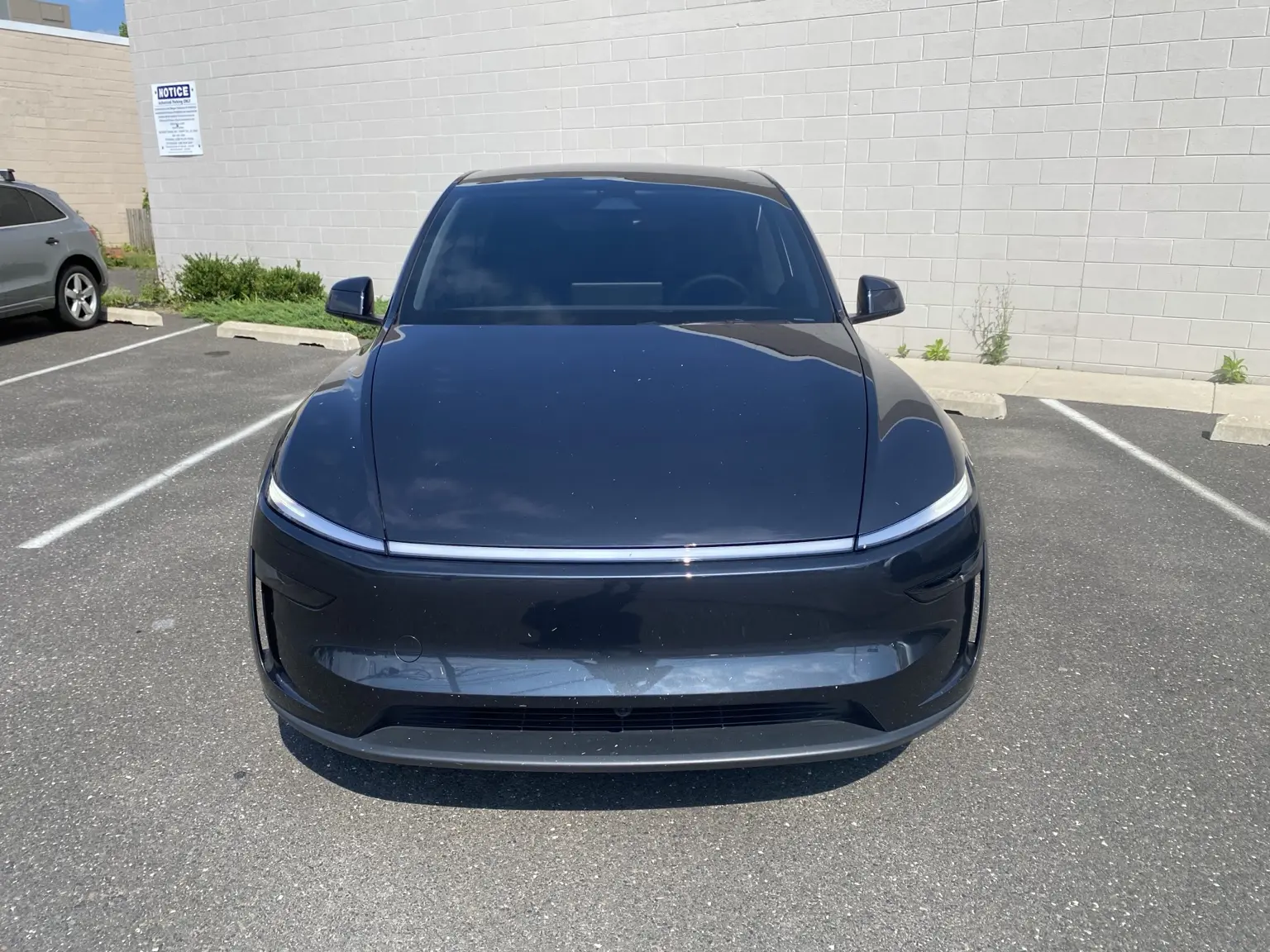
- 35% creates a noticeably tinted appearance.
- 20% or darker substantially reduces visible light and creates a greater nighttime tradeoff.
The lower the percentage, the darker the film generally appears.
Can You See Through a 35% Windshield at Night?
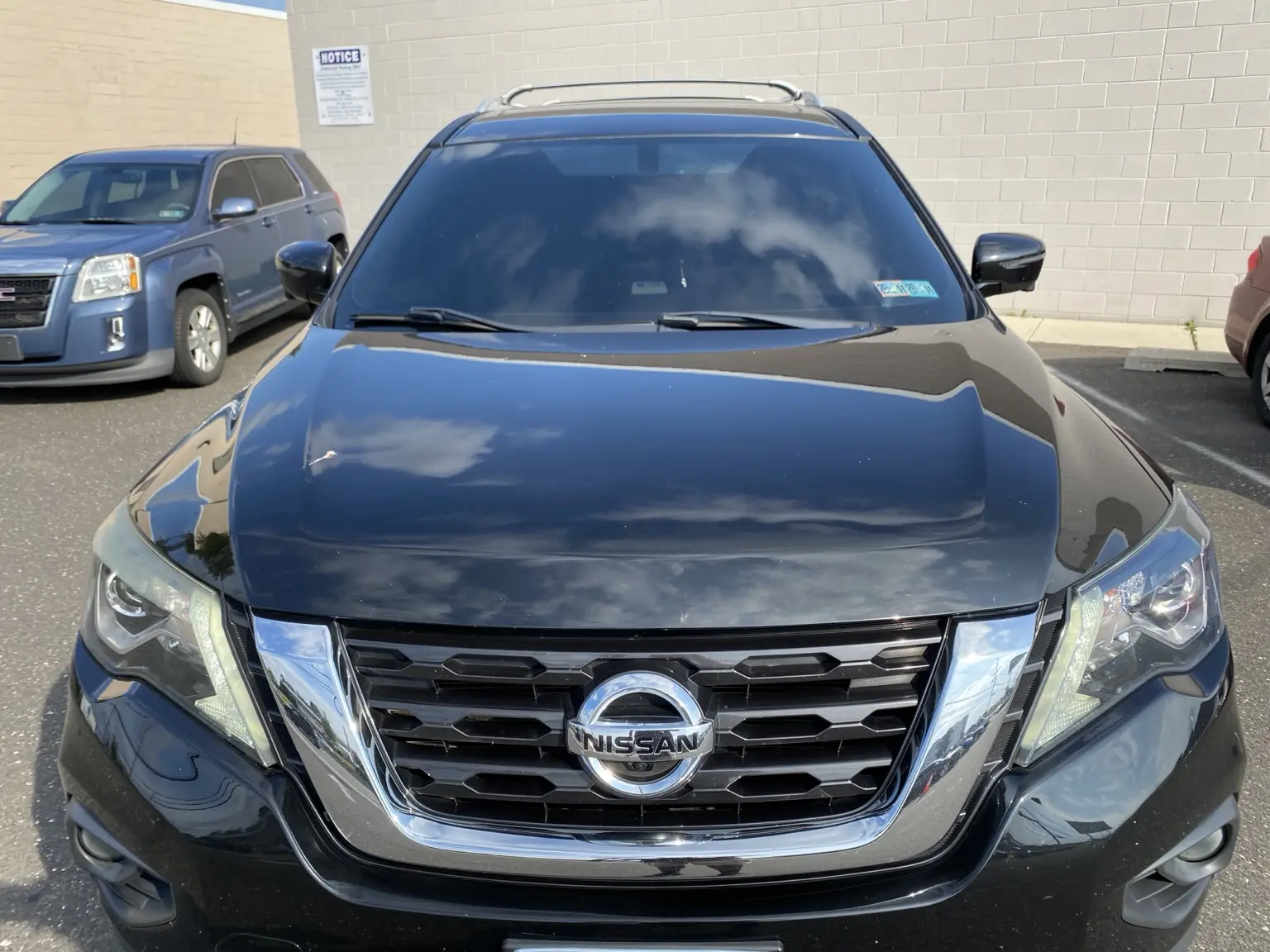
Yes. In our experience, 35% is manageable at night for many customers who are already comfortable with a noticeably tinted windshield.
That does not mean it will look identical to an untreated windshield. Because 35% film reduces visible light, the driver may notice the difference more under challenging conditions such as:
- Roads without streetlights
- Heavy rain
- Fog
- Dark parking lots
- Poorly marked roads
- Areas with pedestrians or cyclists wearing dark clothing
- Driving with weak or dirty headlights
- Looking through a dirty, hazy or damaged windshield
A customer driving primarily on well-lit roads may have a very different experience from someone regularly traveling on rural or poorly illuminated roads.
Is 35% the Darkest Windshield Tint We Recommend?
Yes. At Dope Tintings, 35% is the darkest full-windshield percentage we normally recommend.
Another way to describe it is that 35% is our minimum recommended visible-light-transmission percentage for a full windshield. Percentages lower than 35% are darker and create a greater nighttime-visibility tradeoff.
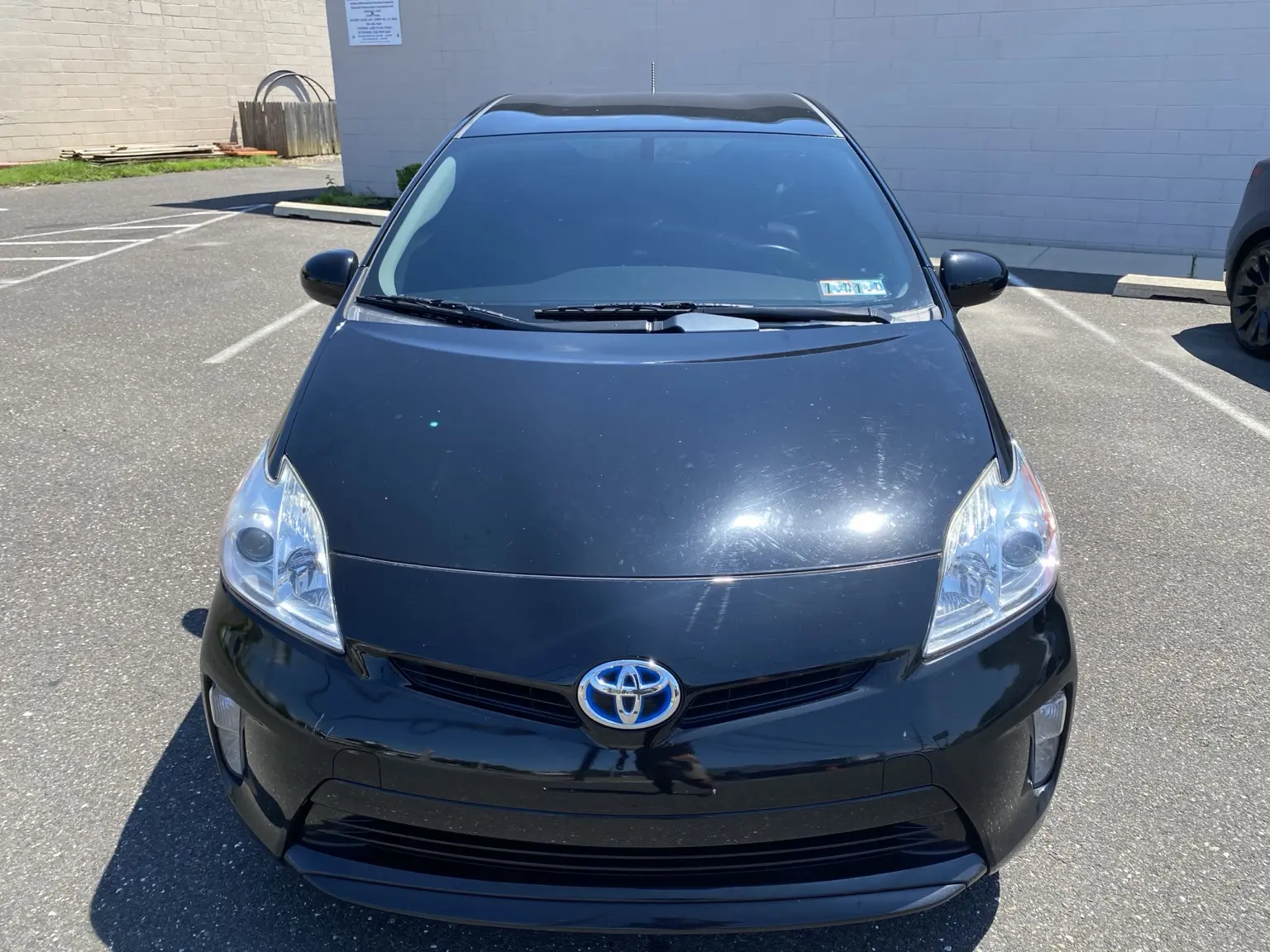
Some customers ask about 25%, 20%, 15% or even 5% windshield film because they want a much darker appearance. We explain that those percentages admit substantially less visible light and are not our recommended choices for practical nighttime windshield visibility.
A customer’s ability to see through a dark windshield under one condition does not guarantee the same experience in rain, fog, an unfamiliar neighborhood or on a road without exterior lighting.
Is 50% Better Than 35% for Night Driving?
For easier nighttime visibility, 50% has an advantage because it allows more visible light through than 35%.
We recommend both 35% and 50%, but they serve slightly different customer goals.
| Customer priority | Percentage we normally discuss |
|---|---|
| Darker daytime appearance and more privacy | 35% |
| Better balance between shade and nighttime visibility | 50% |
| Very light appearance with minimal visible change | 70% |
A customer who frequently drives on dark roads may prefer 50%. It provides noticeable windshield shading while allowing more light through at night.
The tradeoff is that 50% will not create the same dark daytime appearance or privacy effect as 35%.
Does 35% Windshield Tint Provide Privacy?
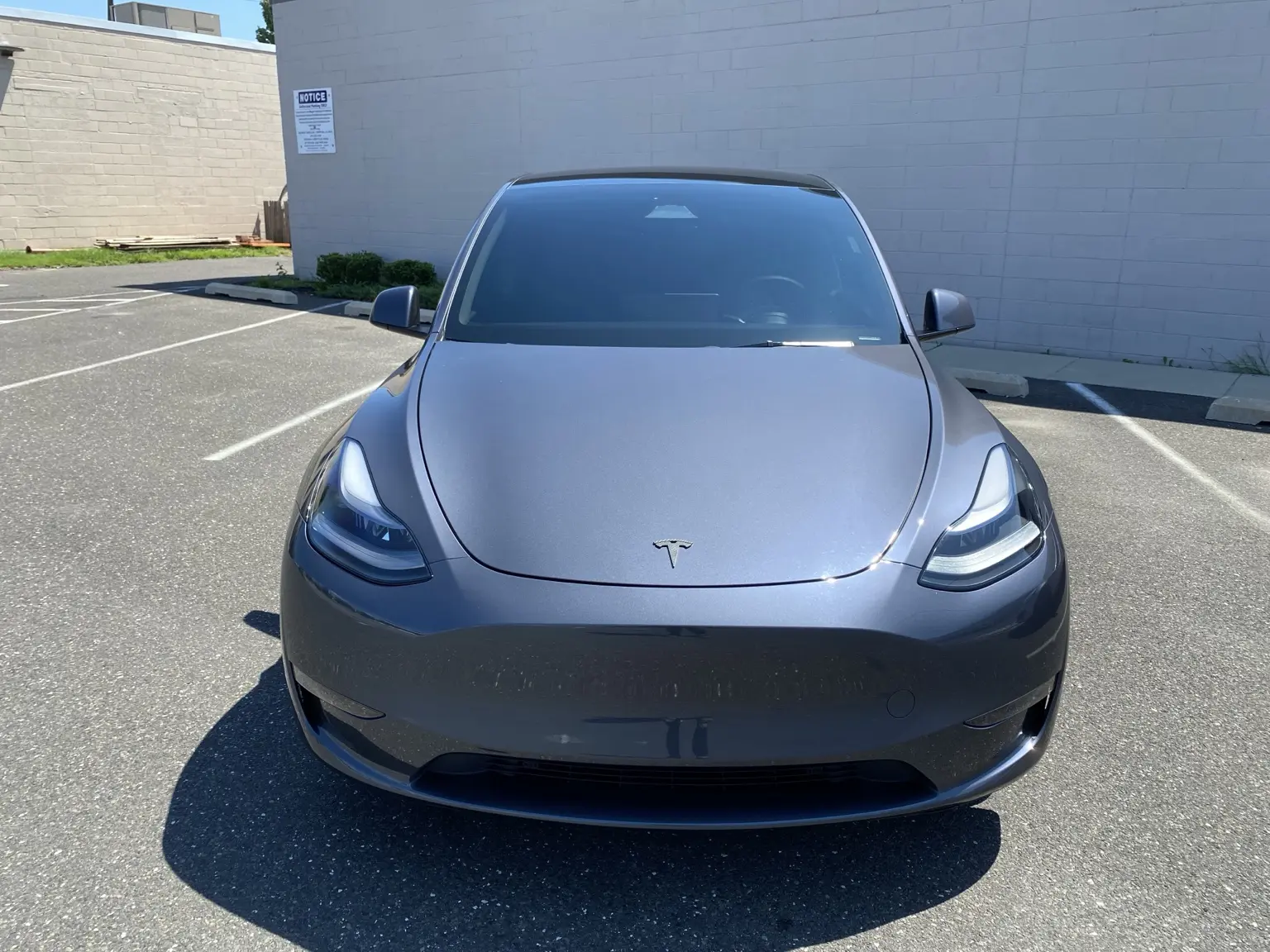
A 35% windshield can make the cabin appear darker from outside during daylight, especially when the side and rear windows are also tinted.
However, it does not guarantee privacy under every condition. Interior color, exterior sunlight, viewing angle and the percentages installed on the remaining windows all affect how easily someone can see inside.
At night, interior lights can make occupants visible through a tinted windshield. Dome lights, phone screens and dashboard displays increase the amount of light inside the cabin.
The film has not changed percentages. The lighting relationship inside and outside the vehicle has changed.
Our guides to why window tint looks darker from outside than inside and whether tint provides privacy at night explain this effect in more detail.
Is 35% Windshield Tint Difficult to See Through in Rain?
It can become more challenging.
Rain reduces contrast, creates reflections and scatters light across the windshield. Wet pavement can also make road markings and dark objects more difficult to distinguish.
A customer who finds 35% comfortable on a dry, illuminated road may notice a greater difference during heavy rain on an unlit road.
This does not mean every driver will consider 35% too dark in the rain. It means customers should choose based on the most demanding conditions in which they normally drive—not only how the windshield looks during a bright afternoon.
Customers who regularly drive at night in rain or on poorly illuminated roads may be more comfortable with 50%.
Does 35% Windshield Tint Reduce Glare?
A 35% windshield film reduces more visible light than 50% or 70%, so bright sunlight and some intense light sources may appear less harsh.
However, reducing visible light is not automatically beneficial under every nighttime condition. The same film that reduces the intensity of a bright light also reduces some of the surrounding light the driver uses to identify road markings, pedestrians and other objects.
Window tint may change how intense glare appears, but it does not correct vision problems or eliminate every source of nighttime glare.
Dirty glass, scratched windshields, worn wiper blades, moisture, headlight condition and eyesight can also affect glare and visibility.
Our guide explaining whether window tint reduces glare while driving covers those factors in greater detail.
Does Ceramic Tint Make 35% Easier to See Through at Night?
Not simply because it is Ceramic.
A 35% Ceramic film is still a 35% labeled film. Ceramic technology does not make an extremely dark percentage behave like a substantially lighter percentage at night.
Film package and tint percentage are separate decisions:
- Tint percentage primarily affects visible-light transmission, appearance and privacy.
- Film package affects characteristics such as heat rejection and product performance.
At the same labeled percentage, Standard, Carbon and Ceramic films are intended to create a generally comparable darkness level. Ceramic should be selected for its heat-rejection performance—not because customers expect 35% Ceramic to provide the nighttime visibility of 50% or 70%.
Does the Rest of the Vehicle Affect How a 35% Windshield Looks?
Yes. A 35% windshield does not exist visually by itself.
Its appearance can be affected by:
- Side-window percentages
- Rear-window percentage
- Interior color
- Panoramic roof or sunroof
- Exterior sunlight
- Reflections
- Viewing angle
- Whether interior lights are on
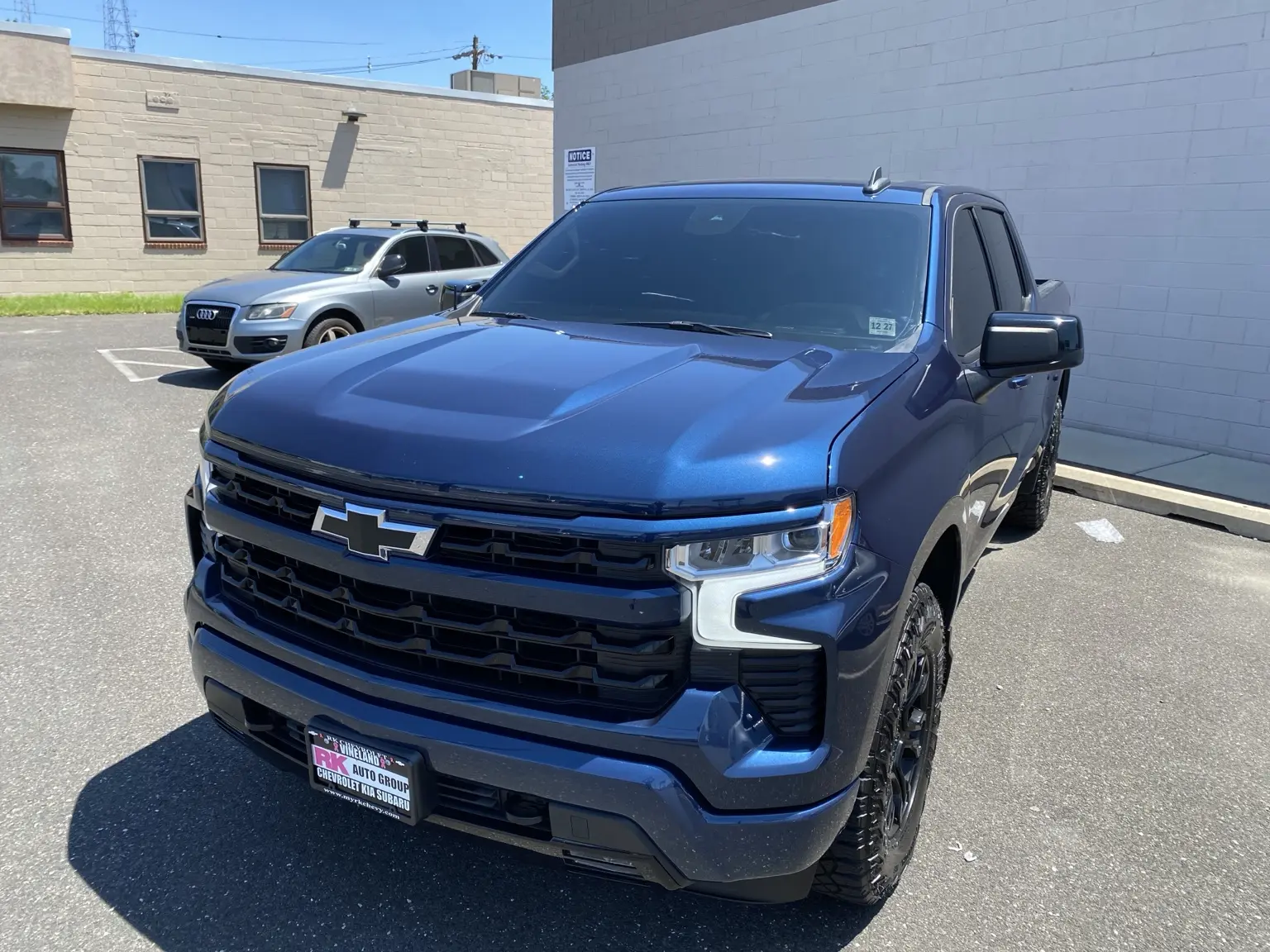
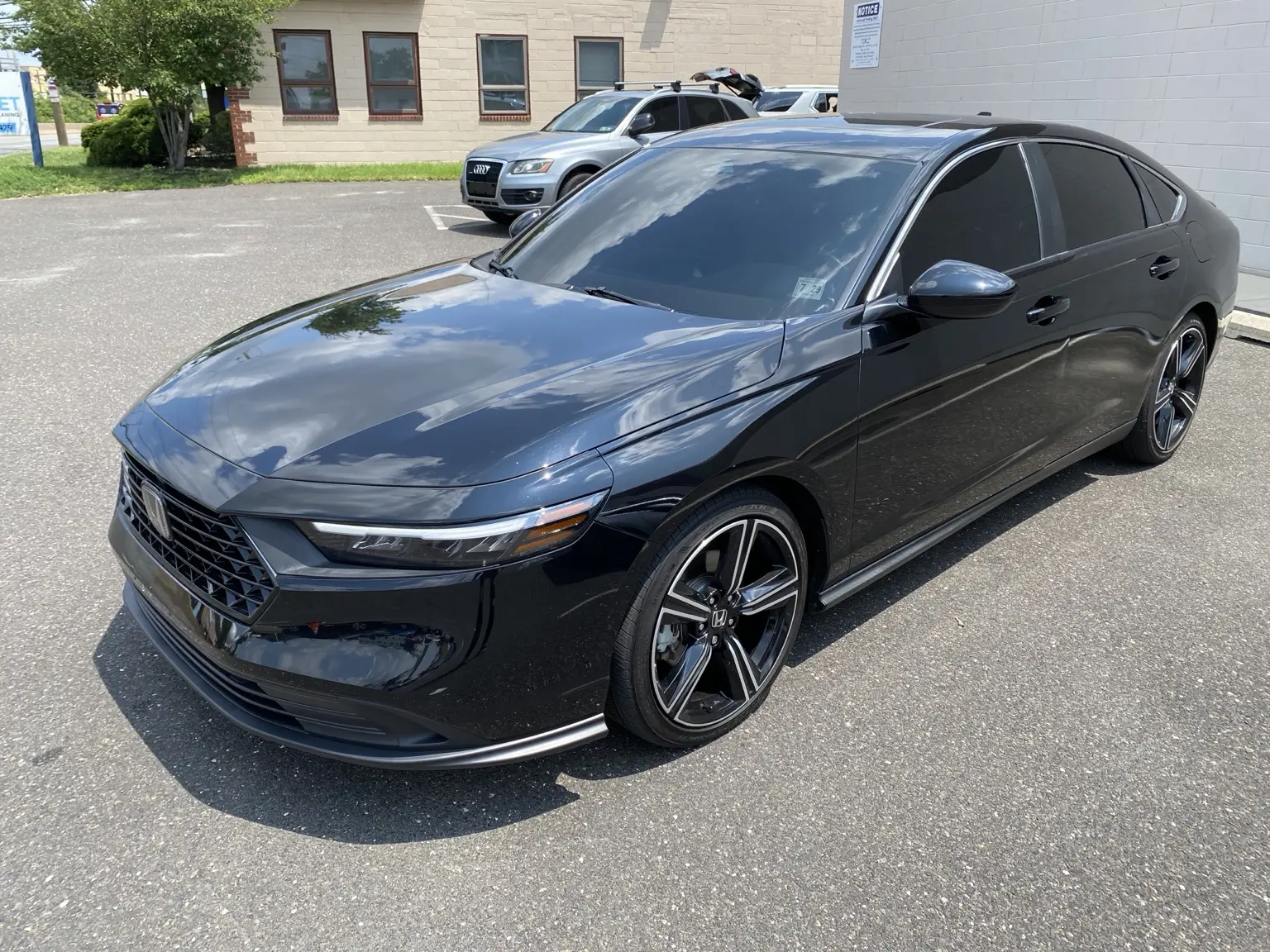
A vehicle with black upholstery and dark side windows may appear darker than a vehicle with tan upholstery and lighter side windows, even if both windshields have the same film percentage.
A large untreated panoramic roof can also allow additional light into the cabin, making the windshield and side windows appear lighter from outside.
Should You Choose 35% or 50% Windshield Tint?
Choose 35% when your main priorities include:
- A noticeably tinted windshield
- A darker daytime appearance
- Increased daytime privacy
- More visible-light reduction
- Accepting a greater nighttime tradeoff
Consider 50% when your priorities include:
- Easier nighttime visibility
- Frequent driving on dark roads
- A lighter, more balanced appearance
- Some visible-light reduction without going as dark as 35%
- Greater comfort during rain or other low-light conditions
Both percentages can be good choices. The better option depends on what the customer wants the windshield tint to accomplish.
At Dope Tintings, we normally recommend 35% for customers who specifically want a darker windshield and 50% for customers who prioritize easier nighttime visibility.
Is 35% Windshield Tint Legal in New Jersey?
A 35% full-windshield installation does not comply with New Jersey’s standard windshield requirements, and it is also darker than the level permitted under New Jersey’s medical-exemption sunscreening standard.
New Jersey’s medical-exemption regulation requires approved sunscreening on the windshield, combined with the factory glass, to maintain at least 70% visible-light transmittance, except for the portion above the AS-1 line. Approved front-side-window sunscreening must maintain at least 60% visible-light transmittance.
Having a medical exemption therefore does not authorize a driver to select any windshield percentage. A 35% full windshield is substantially darker than the level permitted under the exemption.
Customers should review our 2026 New Jersey window-tint law guide before choosing windshield tint.
How Long Does Full-Windshield Tinting Take?
A full-windshield installation at Dope Tintings normally takes approximately one to two hours.
The exact time can vary depending on:
- Windshield size and shape
- Vehicle design
- Existing film that must be removed
- Sensors, cameras or other equipment near the glass
- The condition of the windshield
- The selected film package
Windshield tinting is performed at our Pennsauken location.
Professional Windshield Tinting in South Jersey
For many customers who are already comfortable with a visibly tinted windshield, 35% is manageable at night. It is also the darkest full-windshield percentage we normally recommend.
Customers who prioritize nighttime visibility, regularly travel on poorly illuminated roads or frequently drive in rain may prefer 50%. It will not provide the same dark daytime appearance as 35%, but it allows more visible light through the windshield.
Dope Tintings can help you compare 35%, 50% and lighter options based on your appearance, glare, heat-rejection and visibility priorities.
Learn more about our Windshield Tinting in South Jersey service or contact our Pennsauken shop to discuss your vehicle.