How Long Does Tint Last on a Car? 2026 Window Tint Guide
How long does tint last on a car? Professional window tint can last for many years, but film quality is only part of the story. Learn how installation, cleaning products, sun exposure, smoking, maintenance, and proper care can affect the lifespan of automotive window tint.
How Long Does Tint Last on a Car?
Quick answer: Professionally installed car window tint can last for many years, but how long it lasts depends on more than just the type of film. Film quality, installation quality, sun exposure, cleaning products, and how the owner maintains the windows can all affect the lifespan of window tint.
Based on our experience at Dope Tintings in Pennsauken, NJ, these are reasonable lifespan ranges we use when discussing professionally installed film that is properly cared for:
| Window Film Type | Approximate Lifespan With Proper Care |
|---|---|
| Standard Window Tint | 6–10 years |
| Carbon Window Tint | 8–15 years |
| Ceramic Window Tint | 12–20 years |
But here's the part we think many answers about window tint lifespan leave out:
Those numbers don't tell the entire story.
We've been tinting vehicles long enough to see properly maintained film continue looking great many years after installation.
We've also seen film fail much earlier when it wasn't properly maintained.
So if you're asking us, "How long does tint last on a car?", our answer is:
You take care of the tint, and the tint will take care of you.
What Really Determines How Long Car Window Tint Lasts?
The window film itself matters.
There's no question about that.
A professional-quality standard, carbon, or ceramic film isn't necessarily going to have the same expected performance as inexpensive, low-quality film.
But the film is only one part of the equation.
In our experience, the major factors affecting how long automotive window tint lasts include:
- Quality of the window film
- Quality of the installation
- Installation preparation
- Products used during installation
- Sun exposure
- Products used to clean the inside glass
- Smoking or vaping inside the vehicle
- How frequently the interior glass is maintained
- Whether car washes or detailers use inappropriate cleaners
- How the customer treats the film after installation
That last one is extremely important.
Once your vehicle leaves our facility, we're no longer with the vehicle.
We can't control what gets sprayed on the windows.
We can't control what a car wash uses.
We can't control what a detailer uses.
We can't control what a dealership uses during a courtesy wash.
That's why proper aftercare matters.
How Long Does Standard Window Tint Last?
Based on our experience, professional standard window film can last approximately 6–10 years when properly installed and properly maintained.
Standard film is typically chosen by customers primarily looking for:
- Appearance
- Privacy
- UV protection
- An affordable professional tint option
The lifespan isn't determined by a calendar alone.
A properly maintained standard film can potentially remain in good condition for a long time.
On the other hand, even professional film can experience premature problems when it is repeatedly exposed to inappropriate cleaning products or other conditions that can damage the film or adhesive system.
That's why we don't like telling customers:
"Your tint will automatically fail after 8 years."
Window film doesn't have an alarm clock.
How it's installed and maintained matters.
How Long Does Carbon Window Tint Last?
Based on our experience, professional carbon window tint can last approximately 8–15 years with proper care.
Carbon is a popular option at Dope Tintings because it provides additional heat-rejection performance compared with our standard film.
Customers often choose carbon because they want a balance between:
- Price
- Appearance
- Privacy
- UV protection
- Heat rejection
- Long-term performance
Again, these lifespan numbers are estimates.
We don't want customers thinking their carbon tint is automatically going to fail when it reaches a particular birthday.
Properly installed and maintained professional film can continue performing beyond a generic lifespan estimate.
How Long Does Ceramic Window Tint Last?
Based on our experience, professional ceramic window tint can last approximately 12–20 years when installed correctly and properly maintained.
Ceramic film is primarily an upgrade for customers looking for higher heat-rejection performance.
But buying ceramic doesn't mean you can ignore window-film maintenance.
That's an important misconception.
You can buy an expensive ceramic film and still shorten its useful life if the inside of the glass is repeatedly cleaned with inappropriate products or otherwise poorly maintained.
More expensive film doesn't make proper care optional.
If you're spending the extra money on ceramic, take care of it.
Can Car Window Tint Really Last 20 Years?
Yes, professional automotive window tint can potentially remain in good condition for a very long time.
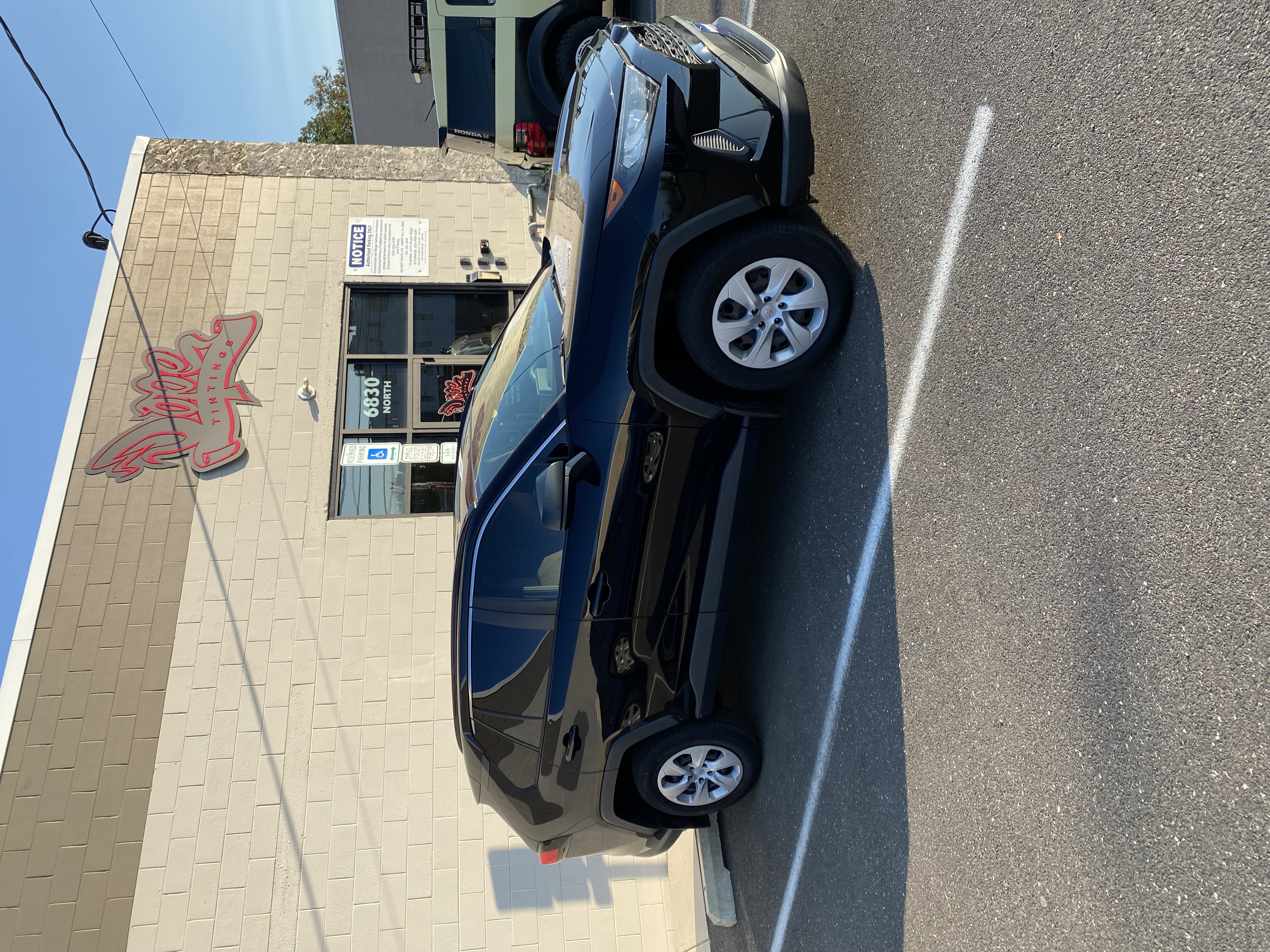
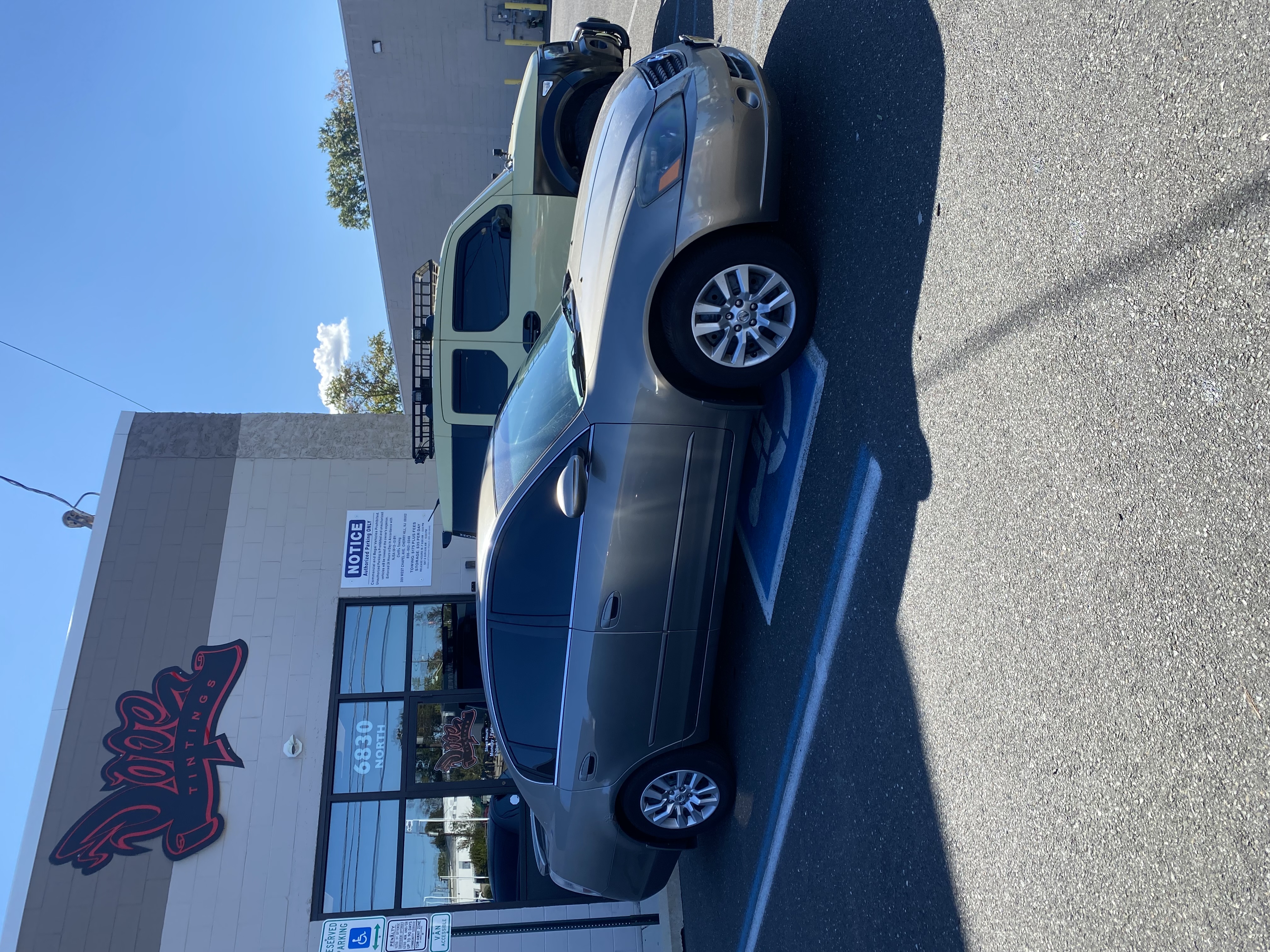
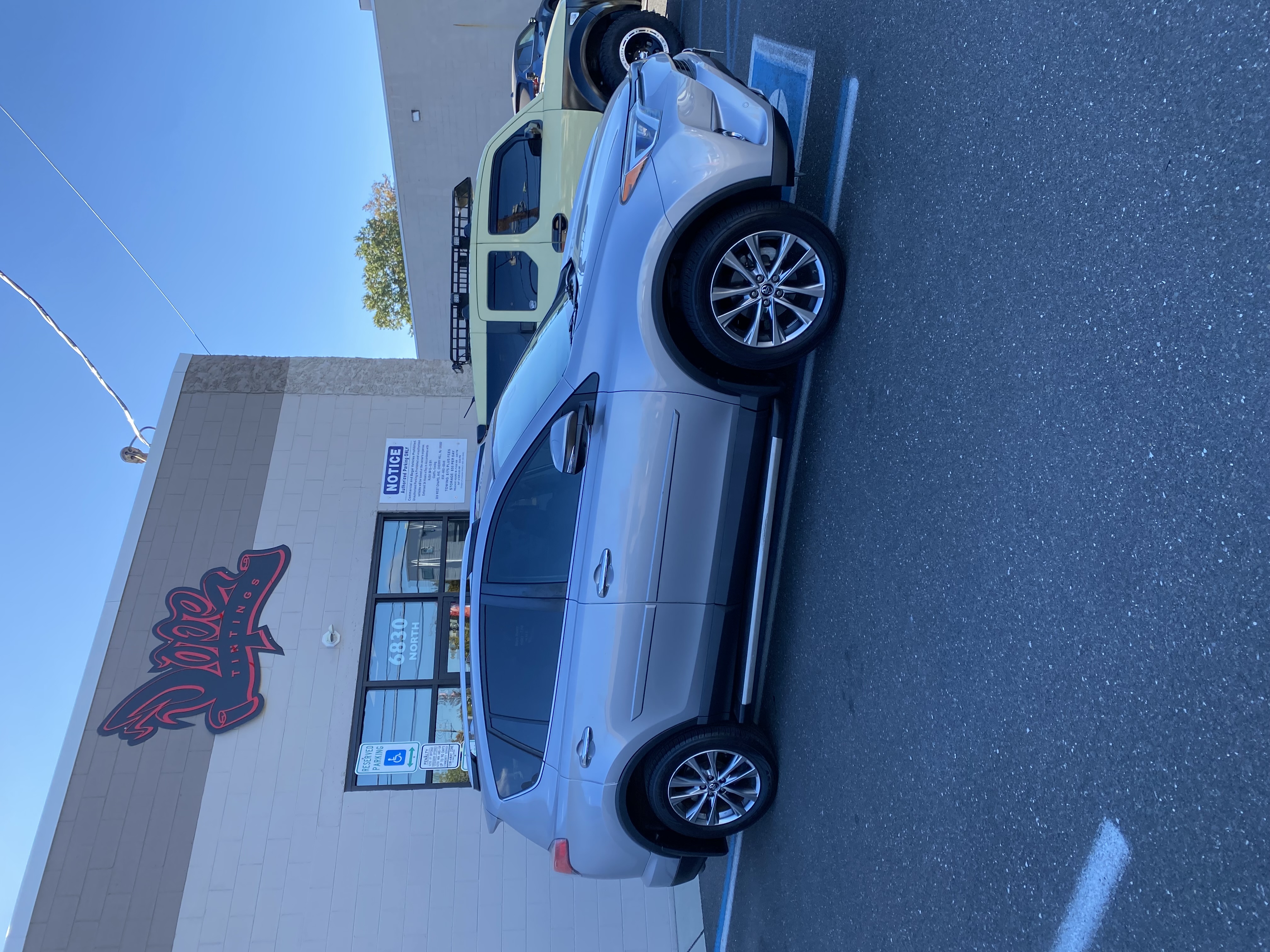
We've had customers return to Dope Tintings many years after their original installations, and the film still looked great.
Some of our customer relationships go back so far that we've tinted multiple vehicles for the same person over the years.
We've also reached the point where customers we've known for years are now bringing us vehicles belonging to their children.
That's one of the reasons we're so adamant about window tint maintenance.
When professional film is installed correctly and the owner follows the proper care instructions, we've seen firsthand how long a quality tint installation can remain in good condition.
So when someone asks:
"Can tint last 15 or 20 years?"
Our answer is:
It absolutely can.
But how you care for it matters.
Is a Garage-Kept Car Necessary for Tint to Last?
No.
You don't have to keep your vehicle locked inside a garage for window tint to last.
We've seen vehicles spend years outside and still have window film in great condition.
Sunlight is a factor in the aging of automotive materials, including window film, but that doesn't mean parking outside automatically ruins professional tint.
In our experience, proper maintenance remains one of the biggest factors the owner can actually control.
Here in South Jersey, our climate is also different from places that experience more extreme year-round heat and sunlight.
A vehicle in Pennsauken, Cherry Hill, Camden, or Mount Laurel isn't necessarily experiencing the same climate as a vehicle sitting outside every day in Arizona, Texas, or Florida.
But regardless of where you live, quality film, professional installation, and proper care all matter.
Does South Jersey Weather Affect Window Tint Lifespan?
South Jersey experiences hot summers, cold winters, rain, snow, and major temperature changes throughout the year.
In our experience, normal South Jersey weather by itself isn't something customers should be overly concerned about once professional window film has properly cured.
Winter weather can affect how long freshly installed film takes to cure.
During warmer weather, the moisture remaining from installation typically evaporates faster.
During cold winter conditions, curing can take considerably longer.
We've written a separate guide explaining this:
Can I Get My Windows Tinted If It's Raining or Snowing?
Once the film is properly cured, your everyday maintenance becomes extremely important to its long-term condition.
Which Car Windows Usually Show Tint Failure First?
In our experience, the rear window and front windshield can show problems earlier than the side windows when film is experiencing premature deterioration.
Why?
Those are two large pieces of glass that receive significant sun exposure.
The rear glass is especially important to watch.
When tint begins deteriorating, customers may initially notice:
- Loss of clarity
- Haziness
- Discoloration
- Adhesive problems
- Bubbling
- Peeling
- Flaking
- Distortion
The condition can gradually become worse until visibility through the glass is affected.
Side windows can eventually experience similar problems, but we've frequently seen problems become noticeable on large front or rear glass first.
What Does Bad or Failing Window Tint Look Like?
Window tint usually gives you warning signs when something is wrong.
One of the first things customers may notice is loss of optical clarity.
The film that once looked clear starts looking hazy.
Over time, that haze can become more noticeable.
Other signs of failing window tint can include:
- Excessive bubbling
- Peeling
- Flaking
- Purple discoloration
- Brown discoloration
- Adhesive failure
- Edges lifting
- Heavy distortion
- Reduced visibility through the glass
If you're looking through your rear window and the tint has become so hazy, distorted, or bubbled that it's affecting your ability to see clearly, the film needs attention.
Why Does Old Window Tint Turn Purple?
Purple tint is one of the classic signs people associate with old or low-quality window film.
Discoloration can occur as components within a film deteriorate over time from factors such as age, UV exposure, heat, film construction, and environmental conditions.
Depending on the film, deterioration may appear as:
- Purple
- Brown
- Faded
- Uneven coloration
Professional-quality modern films are designed for better long-term stability than many inexpensive films people may remember from years ago.
However, no film should be treated as indestructible.
Film quality, installation, environment, and maintenance all play a role in long-term appearance.
Why Does Car Window Tint Bubble?
Bubbling can have different causes.
There is also an important distinction between normal moisture during the curing period and permanent bubbling from a failing tint job.
Immediately after installation, customers may see temporary moisture pockets or a hazy appearance while the film cures.
That doesn't automatically mean the tint is failing.
Depending on weather and temperature, curing can take time.
Permanent bubbling that develops later is different.
Older or failing film can develop bubbles when the adhesive system begins deteriorating or separating.
If the film is heavily bubbled long after the curing period has passed, that isn't something we would consider normal curing.
Does Bubbling Tint Need to Be Replaced?
If you're dealing with old film that has experienced significant adhesive failure and is heavily bubbling, replacement is generally the proper solution.
Once old window film has deteriorated significantly, you can't simply:
- Push the bubbles out
- Heat them away permanently
- Spray something on the film
- Make failed adhesive new again
The old film generally needs to be professionally removed and new film installed.
This is another reason proper maintenance matters.
Taking care of professional window film from the beginning is much easier than dealing with deteriorated film years later.
## Can Cleaning Products Make Window Tint Fail Early?
Yes. Based on what we've seen over the years at Dope Tintings, what gets used to clean the inside of your tinted windows can have a major effect on how the film holds up over time.
This is one of the most important parts of window tint maintenance, yet it's also one of the most overlooked.
A customer may spend good money on professional window film, take care of their vehicle, and still unknowingly allow the wrong products to be used on the inside of the glass.
That's why we educate our customers about window tint care before they leave our shop.
We don't just hand you the keys and say:
"Don't roll your windows down."
We provide our customers with window film care instructions explaining what we recommend using, what we recommend avoiding, and how to properly maintain the film.
The installation is our responsibility.
What happens to the tint after you leave becomes a partnership between the shop and the vehicle owner.
What Glass Cleaner Should You Use on Tinted Windows?
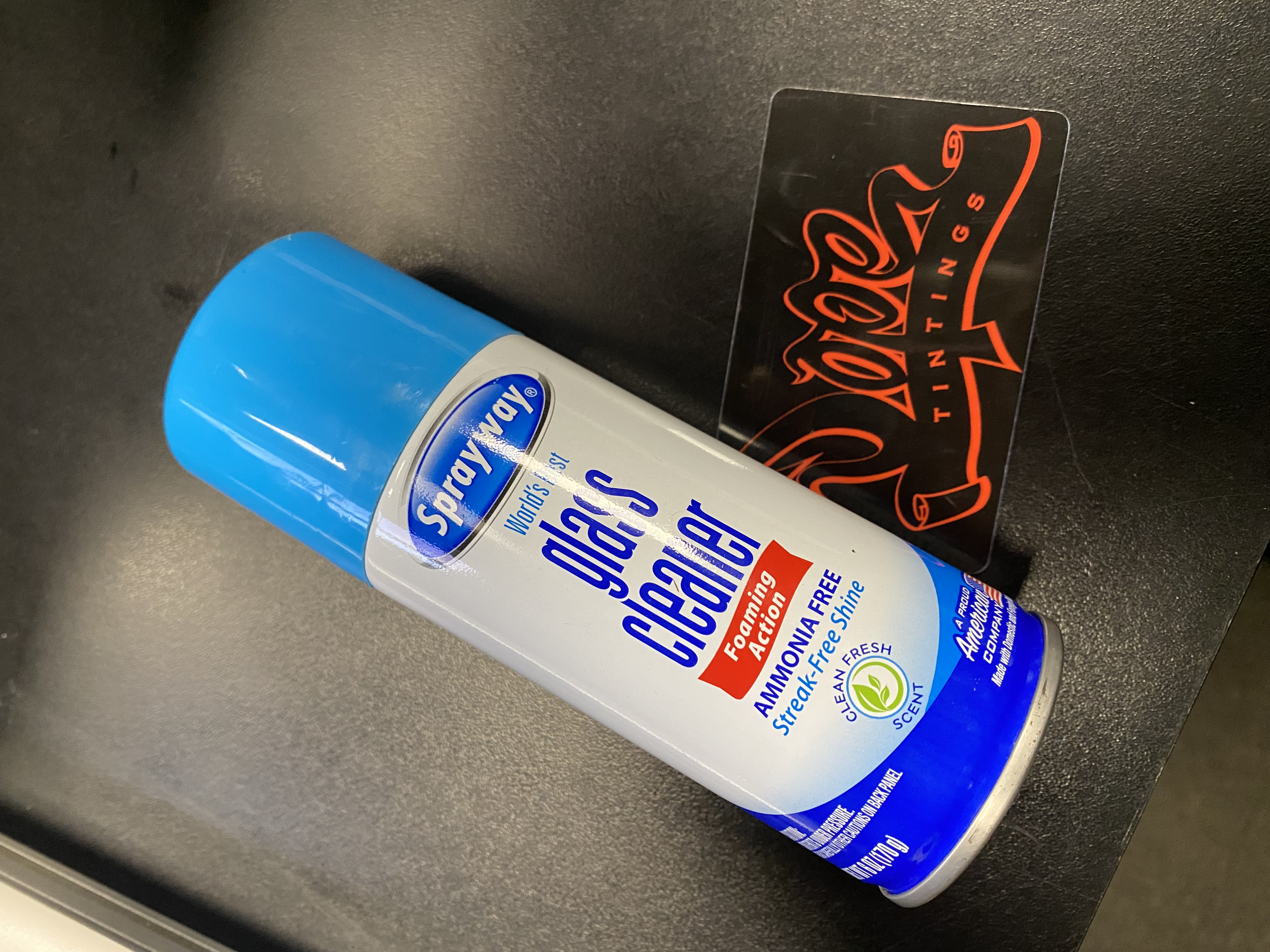
At Dope Tintings, one of the products we recommend to our customers is Sprayway Glass Cleaner, specifically an ammonia-free version appropriate for tinted windows.
It's the type of cleaner we've had good experience with over the years.
Our general advice is simple:
Use a cleaner specifically appropriate for aftermarket window film and make sure it is ammonia-free.
If you're uncertain about a particular product, check the window film manufacturer's care instructions or ask your tint shop before using it.
Don't assume that every glass cleaner sitting underneath your kitchen sink is appropriate for aftermarket window tint.
Can You Use Windex on Tinted Windows?
We recommend avoiding traditional ammonia-containing glass cleaners on aftermarket window film.
Ammonia and other harsh cleaning chemicals can be inappropriate for certain aftermarket films and may contribute to deterioration over repeated use.
Even when a product is advertised as ammonia-free, our advice to our customers is to use a cleaner we know and trust rather than experimenting with different products.
You spent money having the vehicle professionally tinted.
There's no reason to gamble with the film over a bottle of glass cleaner.
Can You Use Invisible Glass on Window Tint?
Some Invisible Glass products are marketed by their manufacturer as safe for tinted windows.
However, based on our own shop experience and the way we prefer our customers to maintain the films we install, it isn't the cleaner we recommend for our installations.
Our preferred approach is to keep things simple.
Use the tint-safe cleaning product recommended by your installer or film manufacturer rather than switching between different cleaners.
At Dope Tintings, we'll explain our recommended care routine when you pick up your vehicle.
Can Ammonia Damage Window Tint?
Ammonia-based cleaners are generally something we recommend keeping away from aftermarket window film.
The film is installed on the inside surface of your automotive glass, which means whatever you spray on the inside of that window is contacting the film—not bare glass.
That's something many vehicle owners forget.
From outside the vehicle, you're cleaning glass.
From inside a tinted vehicle, you're cleaning window film.
Treat it accordingly.
Can You Use Paper Towels on Tinted Windows?
We don't have a problem with customers using paper towels appropriately on the window films we install.
Microfiber towels can also be used, but make sure they're clean and free from debris.
The important thing is to avoid anything abrasive.
A dirty towel containing grit, sand, or other particles can potentially scratch the surface.
Use clean materials and don't aggressively scrub the film unnecessarily.
How Soon Can You Clean Windows After Tinting?
If you need to clean something off the inside of your window after installation, you can carefully clean it using an appropriate tint-safe cleaner.
For example, if:
- Coffee splashes onto the window
- Your child touches the glass
- Your dog licks the window
- Something gets onto the film
you don't have to leave the mess there for weeks.
Clean it carefully using the appropriate product.
What customers need to understand is that cleaning and curing are two different things.
The film still needs time to completely cure after installation.
How Long Does Window Tint Take to Cure?
Curing time depends heavily on weather and temperature.
Here in South Jersey, we generally tell customers that during warmer summer weather, the film may take approximately a week to fully cure.
During colder winter weather, complete curing can take approximately two to three weeks, depending on temperatures and conditions.
During that curing period, customers may notice:
- Moisture
- Small water pockets
- Temporary haziness
Those conditions don't automatically mean the installation is defective.
The moisture used during installation needs time to evaporate.
If you're getting your vehicle tinted during cold or wet weather, read our guide:
Can I Get My Windows Tinted If It's Raining or Snowing?
How Long Should You Wait Before Rolling Down Tinted Windows?
At Dope Tintings, we typically recommend waiting at least one day before rolling down freshly tinted windows.
Follow the specific instructions your installer gives you because curing conditions can vary.
Rolling a freshly tinted window down too soon can potentially interfere with the film before it has had enough time to begin properly setting.
We know everybody wants to enjoy their new tint immediately.
Give it time.
You've already invested the money into having the vehicle tinted. Don't create an unnecessary problem because you couldn't wait before rolling the windows down.
Can Smoking Make Car Window Tint Wear Out Faster?
Based on what we've observed over years of working with tinted vehicles, frequent smoking inside a vehicle without properly maintaining the interior glass can contribute to premature deterioration and buildup on the film.
This includes:
- Cigarette smoke
- Marijuana smoke
- Vaping residue
We're not here to tell customers what they can or can't do inside their own vehicles.
It's your car.
Our point is simply:
If you smoke or vape inside a tinted vehicle, stay on top of cleaning the inside of your windows with an appropriate tint-safe product.
Residue can build up on interior surfaces, including the window film.
The more frequently you smoke or vape in the vehicle, the more important regular cleaning becomes.
Can Vaping Affect Window Tint?
Vaping can leave residue on automotive glass and interior surfaces.
If you've ever been inside a heavily vaped-in vehicle, you've probably seen the film or haze that can develop on the inside of the windows.
If those windows are tinted, that residue is accumulating on the window film.
Our recommendation is straightforward:
Clean the interior glass regularly using an appropriate tint-safe cleaner.
Don't allow months of residue to build up and then aggressively attack the film with a strong chemical cleaner.
Routine maintenance is easier.
What About Dogs Licking Tinted Windows?
If you have a dog that loves riding in the car, you've probably seen nose prints and saliva all over the windows.
Our advice is to clean pet saliva and residue from tinted windows rather than allowing it to remain on the film for extended periods.
We've seen enough vehicles over the years that we're cautious about anything repeatedly sitting on aftermarket film.
We're not saying you can't let your dog enjoy the window.
Just clean the glass afterward with the appropriate product.
It's another small maintenance habit that can help keep the tint looking its best.
Can Automatic Car Washes Damage Window Tint?
The brushes and water washing the outside of your vehicle aren't directly touching aftermarket window film because automotive tint is normally installed on the inside of the glass.
The concern we have is what happens when attendants clean the inside of the windows.
You may have spent years carefully using a tint-safe cleaner.
Then you take the vehicle through a full-service car wash, and an employee sprays whatever commercial glass cleaner they use onto the inside of every window.
You may have no idea what's in that cleaner.
That's why we recommend telling the car wash:
"Please don't clean the inside of my windows. They're tinted."
You can clean them yourself afterward using the product you trust.
Can a Professional Detailer Damage Window Tint?
A professional detailer should understand how to care for aftermarket window film, but we still recommend communicating with them.
Don't assume.
Tell them:
"My windows have aftermarket tint. Please use a tint-safe, ammonia-free cleaner."
If you're particular about your film, you can even provide the cleaner you'd like them to use.
Most professional detailers should have no problem accommodating that request.
The goal isn't to make their job difficult.
It's simply to make sure everybody touching the vehicle understands that the inside of the glass has aftermarket film installed.
Can a Dealership Courtesy Wash Affect Window Tint?
This is one most people never think about.
You take your vehicle to the dealership for:
- Oil change
- Tires
- Warranty service
- Recall
- Mechanical repair
The dealership offers a complimentary wash.
Sounds great.
But if that service includes cleaning the inside glass, you may not know what product the detailing department is using.
Our recommendation?
If you're concerned about maintaining your tint, opt out of interior window cleaning or the courtesy wash if necessary.
You can always wash the vehicle yourself later.
A free wash isn't worth introducing a product to your film that you wouldn't normally use.
What Should I Tell a Car Wash, Detailer, or Dealership?
Keep it simple:
"My windows are aftermarket tinted. Please don't clean the inside of the windows unless you're using a tint-safe, ammonia-free cleaner."
Better yet, if you're very particular about maintaining the film:
Handle the inside windows yourself.
That's what we recommend to customers who want the most control over the long-term condition of their tint.
Does the Tint Installer Affect How Long Window Tint Lasts?
Absolutely.
Everything we've discussed so far involves what happens after installation.
But window tint longevity begins before the customer ever receives the vehicle.
A professional installation requires:
- Proper window preparation
- Correct film handling
- Proper installation techniques
- Appropriate installation solution
- Correct squeegee technique
- Proper heat forming where required
- Quality control
The customer can do everything right afterward, but the film still needs to be installed correctly in the first place.
That's why choosing an experienced installer matters.
Can the Wrong Installation Solution Affect Window Tint?
Window film installers use a slip solution during installation so the film can be positioned properly on the glass.
Professional installers need to use an appropriate solution and mixture compatible with the film they're installing.
We've seen installers use different soaps and detergents because they like how slippery they make the film during installation.
Our concern is always compatibility with the window film and adhesive system.
At Dope Tintings, we use installation methods and products appropriate for the professional films we're working with rather than simply choosing whatever makes installation easiest.
This is another part of window tinting customers rarely see.
The installation may look simple from the waiting room.
There are a lot of small details behind the scenes that can affect the finished product.
Why Professional Installation Matters for Tint Longevity
Professional window tint isn't simply about putting a dark piece of film onto glass.
Preparation and installation matter.
An experienced installer understands:
- How to properly prepare the glass
- How to work around gaskets
- How to minimize contamination
- How to handle the film
- How to heat-form rear glass
- How to work around vehicle interiors
- How to inspect the finished installation
That's one reason we don't recommend choosing a tint shop solely based on who gives you the cheapest quote.
A quality film installed poorly isn't going to give you the same experience as quality film installed correctly.
Does a Lifetime Window Tint Warranty Mean the Tint Can Never Fail?
No.
This is something customers need to understand before purchasing window tint.
A lifetime warranty doesn't mean you can do anything to the film and the tint shop must replace it forever for free.
Warranty coverage depends on the specific written terms from the film manufacturer and installer.
Generally, warranties are designed to address qualifying problems with the film or installation—not damage caused by misuse, improper maintenance, scratches, or other excluded conditions.
That's why customers should read and understand their warranty.
At Dope Tintings, we also provide customers with care information because we want them to know how to properly maintain the product after installation.
How Can a Tint Shop Tell Whether Film Failed or Was Damaged?
There isn't one universal test for every situation.
We look at the overall condition of the installation.
For example, imagine we installed the same film on:
- Driver window
- Passenger window
- Both rear doors
- Back window
If every piece begins experiencing the same unusual failure around the same time, that's very different from one isolated window developing a problem while every other piece remains in excellent condition.
The pattern can provide useful information when determining what may have happened.
We evaluate warranty concerns individually rather than automatically assuming every problem has the same cause.
What Happens If One Tinted Window Fails?
If you notice a problem with one window, contact the tint shop that performed the installation.
Don't immediately start:
- Scraping it
- Peeling it
- Heating it
- Applying chemicals
- Trying internet repair tricks
Let the installer inspect it first.
If the issue qualifies under the applicable warranty, the shop can explain the next step.
If it doesn't qualify, the shop can explain the available removal and replacement options.
At Dope Tintings, our goal is to be reasonable with customers.
If we determine an isolated problem isn't a qualifying warranty issue, there are situations where we'll still try to help the customer with the replacement cost.
People make mistakes.
Our goal isn't to argue over a piece of tint.
Our goal is to find a reasonable solution while maintaining the standards of our warranty and our work.
Why Do We Give Customers Window Tint Care Instructions?
Because the installation isn't the end of the process.
At Dope Tintings, customers receive window film care instructions explaining how to take care of their new tint.
We do this because we want customers to get as many years as possible from their investment.
A tint shop can install the film correctly.
After that, the customer controls:
- Cleaning
- Maintenance
- Who touches the windows
- What products get used
- Whether smoke residue is allowed to accumulate
- Whether car washes clean the inside glass
- Whether detailers use appropriate products
Education helps protect the investment.
That's why we don't want to simply say:
"Don't roll your windows down. See you later."
We want customers to understand what happens next.
A Real-World Example: Customers We've Had for Years
One of the best ways we can answer "How long does tint last on a car?" is by looking at our own customers.
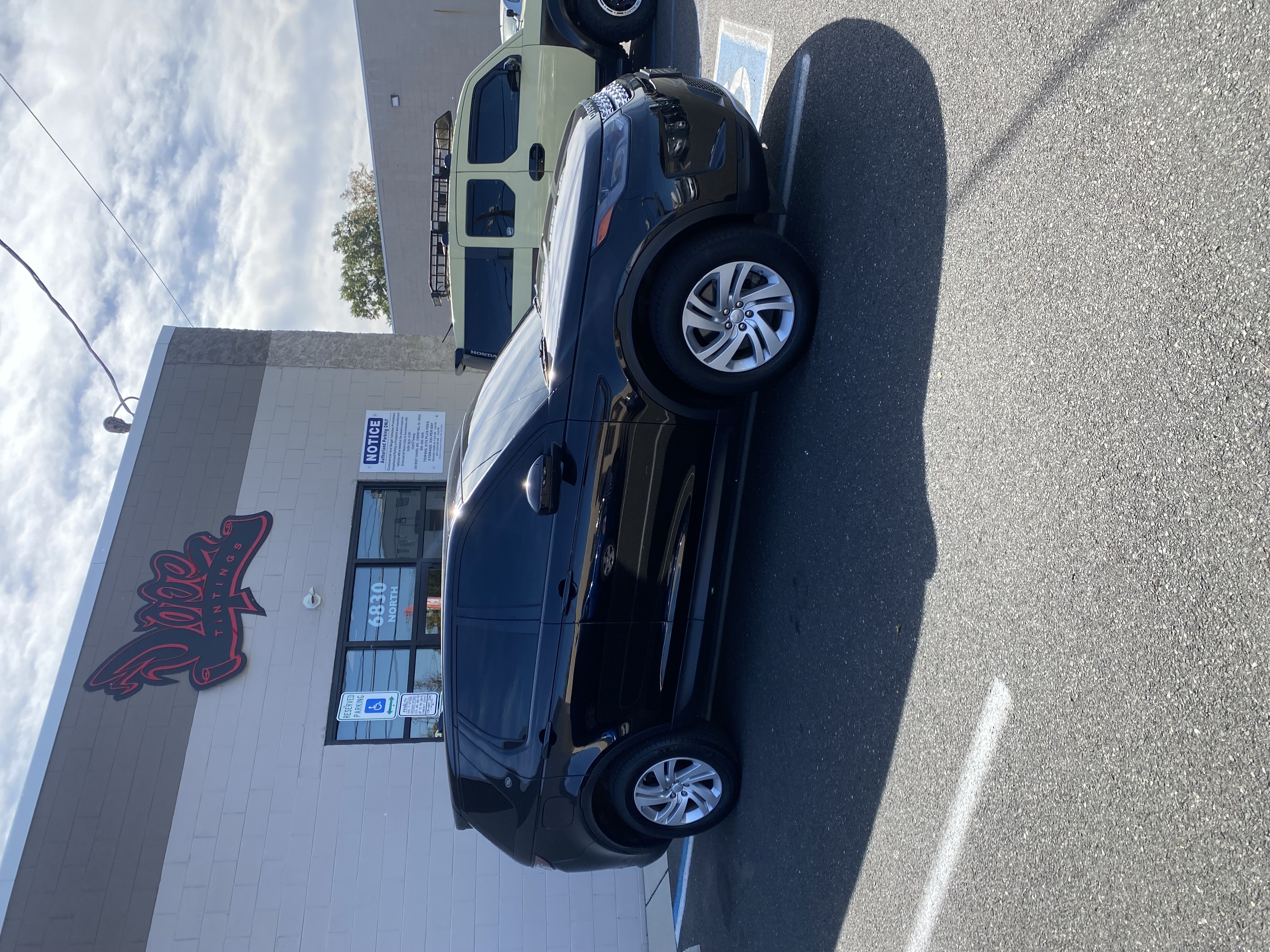
We've been doing this long enough that we have customers who have returned to us vehicle after vehicle.
They had one car tinted.
Years later, they bought another car and brought that one to us.
Then another.
We've even reached the point where we're tinting vehicles for the children of customers we've worked with for years.
Why do those customers keep coming back?
Because when the film is properly installed and properly maintained, they haven't had a reason to come back because the tint failed.
They're coming back because they bought another vehicle that needs tint.
That's the kind of longevity we're talking about.
Can Properly Maintained Tint Still Look Good After 10 or 15 Years?
Yes.
We've seen it.
When we see an older vehicle we tinted years ago and the owner followed the proper maintenance instructions, the film can still look remarkably similar to how it looked after installation.
That's why generic answers such as:
"Window tint lasts five years."
don't tell the whole story.
What film?
Who installed it?
How was it installed?
Where is the vehicle located?
How was it cleaned?
Was it smoked in?
Who detailed it?
What products were used?
Those details matter.
Window tint lifespan isn't determined by one number.
## Frequently Asked Questions About How Long Car Window Tint Lasts
Below are some of the most common questions customers ask about how long window tint lasts, what causes tint to fail, and how to make professional automotive window film last as long as possible.
Can Car Window Tint Last 20 Years?
Yes, professional car window tint can last 20 years or more when it is:
- High-quality film
- Properly installed
- Properly maintained
- Cleaned with the right products
At Dope Tintings, we've seen older tint installations continue looking great many years later when customers followed the proper care instructions.
The biggest mistake people make is assuming film lifespan is determined only by the brand or film type.
It isn't.
How the owner treats the tint after installation matters just as much.
Does Ceramic Tint Last Longer Than Carbon Tint?
In our experience, ceramic tint generally has the longest expected lifespan.
Our approximate ranges for professionally installed film with proper care are:
- Standard: 6–10 years
- Carbon: 8–15 years
- Ceramic: 12–20 years
However, these are not expiration dates.
A properly maintained carbon film can outlast a poorly maintained ceramic film.
The film type matters, but maintenance still matters more than most customers realize.
Does Window Tint Fade Over Time?
Yes, window tint can fade over time.
Possible causes include:
- Age
- Long-term sun exposure
- Film quality
- Improper cleaning products
- Poor maintenance
- Installation-related issues
Professional-quality modern films are designed to resist fading much better than low-quality films.
However, no film should be treated as indestructible.
Why Does Window Tint Turn Purple?
Purple tint usually indicates deterioration within the film.
This is commonly associated with:
- Aging film
- Lower-quality film
- UV exposure
- Heat exposure
- Breakdown of dyes or materials within the film
Modern professional window films are generally much more color-stable than many older inexpensive films.
If your tint is turning purple or brown, it may be time to have it inspected.
Why Does Window Tint Become Hazy?
Haze can be an early sign that the film is beginning to deteriorate.
Customers may notice:
- Reduced clarity
- Cloudy appearance
- Distortion
- Difficulty seeing clearly through the glass
If haze continues getting worse after the film has been installed for years, it may indicate aging or film failure.
Do not confuse this with temporary curing haze immediately after a fresh installation.
Why Does Window Tint Bubble Years Later?
Bubbling that develops years after installation is usually different from normal moisture during the curing process.
Old window tint may bubble because the adhesive system begins to deteriorate or separate.
Possible contributing factors include:
- Film age
- Heat
- UV exposure
- Poor maintenance
- Low-quality film
- Installation-related problems
If an older film becomes heavily bubbled, replacement is generally the proper solution.
Can Bubbled Window Tint Be Fixed Without Replacing It?
Usually no.
If old tint is bubbling because the adhesive has failed, pushing the bubbles around will not permanently fix the problem.
The proper solution is usually:
- Remove the old window film
- Properly clean the glass
- Install new professional film
Be careful with online "quick fixes."
A failed adhesive system needs more than a temporary cosmetic repair.
How Do You Know When Window Tint Needs Replacing?
Common signs include:
- Heavy bubbling
- Peeling edges
- Purple or brown discoloration
- Significant fading
- Severe haze
- Optical distortion
- Adhesive failure
- Flaking
- Reduced visibility through the window
If the film is affecting your ability to safely see through the glass, it should be inspected.
Which Window Tint Usually Fails First?
In our experience, the rear glass and front windshield can be among the first places where premature problems become noticeable.
These large glass areas receive significant sun exposure.
If the film is not properly maintained, customers may begin noticing:
- Haze
- Discoloration
- Bubbling
- Adhesive problems
before similar problems become obvious on the side windows.
Does Parking Outside Ruin Window Tint?
No.
You do not need to garage your vehicle just because it has aftermarket window tint.
We've seen properly maintained vehicles spend years outdoors without significant tint problems.
Sun exposure does contribute to the aging of automotive materials, but professional window film is designed to live on automotive glass.
The owner should focus on what they can control:
- Use appropriate cleaners
- Maintain the interior glass
- Avoid harsh chemicals
- Follow installer instructions
Does Hot Weather Make Window Tint Wear Out Faster?
Extreme heat and intense sunlight can contribute to long-term material aging.
However, professional automotive window film is specifically designed for use on vehicles exposed to the sun.
South Jersey weather is not the same as year-round extreme climates such as Arizona or parts of Texas.
Regardless of climate, proper film quality, installation, and maintenance remain important.
Does Cold Weather Damage Window Tint?
Normal winter weather does not automatically damage properly installed and fully cured professional window film.
Cold weather primarily affects curing time after installation.
In warm weather, tint may cure faster.
In colder South Jersey winters, the process can take longer.
For more information, read:
Can I Get My Windows Tinted If It's Raining or Snowing?
How Long Does Window Tint Take to Fully Cure?
Curing time depends on weather and temperature.
At Dope Tintings, we generally advise customers that:
- Warm summer conditions may take approximately one week
- Cold winter conditions may take approximately two to three weeks
During that period, temporary:
- Moisture
- Water pockets
- Haziness
can be normal.
Can You Clean Newly Tinted Windows?
Yes, if necessary.
If something gets onto the inside of the glass, you can carefully clean the film using an appropriate tint-safe cleaner.
You do not need to leave:
- Coffee
- Fingerprints
- Pet residue
- Dirt
sitting on the film simply because the tint is new.
The important thing is using the right product and being gentle while the film is curing.
What Is the Best Cleaner for Tinted Car Windows?
At Dope Tintings, we recommend using a tint-safe, ammonia-free glass cleaner.
One product we've had good experience with is Sprayway Glass Cleaner in an appropriate ammonia-free formulation.
Always follow the film manufacturer's or tint shop's care instructions.
If you are unsure whether a cleaner is safe, ask before using it.
Can Windex Damage Car Window Tint?
Traditional ammonia-containing glass cleaners are something we recommend avoiding on aftermarket window film.
The aftermarket film is installed on the inside surface of the glass.
That means whatever you spray onto the inside window is contacting the film directly.
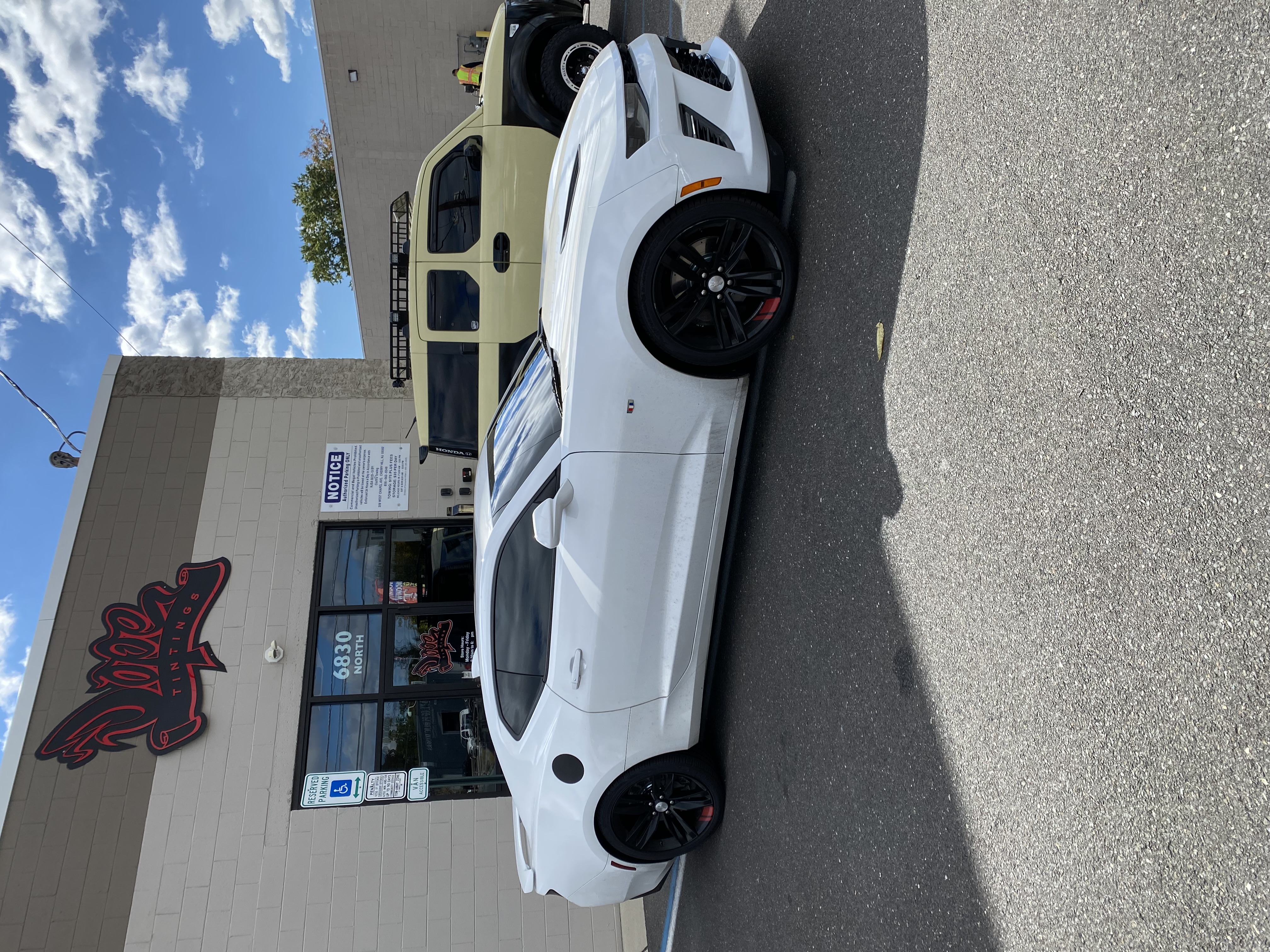
Use a cleaner intended for aftermarket tinted windows.
Can Smoking Shorten Window Tint Lifespan?
Based on our shop experience, smoking inside the vehicle without properly maintaining the interior glass can contribute to heavy residue buildup.
This can include:
- Cigarette smoke
- Marijuana smoke
- Vaping residue
If you smoke or vape in the vehicle, we recommend regularly cleaning the inside glass with an appropriate tint-safe product.
The goal is to prevent residue from sitting on the film for extended periods.
Can Dogs Damage Window Tint?
Normal pet ownership does not mean you cannot have tinted windows.
However, dogs can leave:
- Saliva
- Nose prints
- Dirt
- Scratches
on interior glass.
Our recommendation is simple:
Clean pet residue when you notice it and avoid allowing your dog to scratch directly at the film.
Proper maintenance helps protect the installation.
Can a Car Wash Ruin Window Tint?
The outside wash itself should not normally affect aftermarket film because automotive tint is installed on the inside of the glass.
The concern is when car wash attendants clean the interior windows using an unknown chemical.
We recommend telling them:
"Please don't clean the inside of the windows. They're aftermarket tinted."
Then clean the interior glass yourself using the product recommended by your installer.
Can a Detailer Clean Tinted Windows?
Yes.
Just make sure they know the vehicle has aftermarket window film.
Tell your detailer:
"Please use a tint-safe, ammonia-free glass cleaner on the inside of the windows."
If you are particular about your window tint care, provide the cleaner you'd like them to use.
Should I Let the Dealership Clean My Tinted Windows?
You can, but we recommend making sure they know the vehicle has aftermarket tint.
Some dealership courtesy washes include interior glass cleaning.
If you're unsure which product is being used, you can simply tell them:
"Please don't clean the inside of my windows."
You can take care of the glass yourself afterward.
Does Professional Installation Make Tint Last Longer?
Yes.
Film longevity begins with the installation.
A professional tint shop should focus on:
- Proper glass preparation
- Appropriate installation products
- Correct film handling
- Proper heat forming
- Clean installation
- Quality control
A quality film installed poorly may not give you the same lifespan or appearance as a quality film installed correctly.
Does Cheap Window Tint Last as Long as Professional Film?
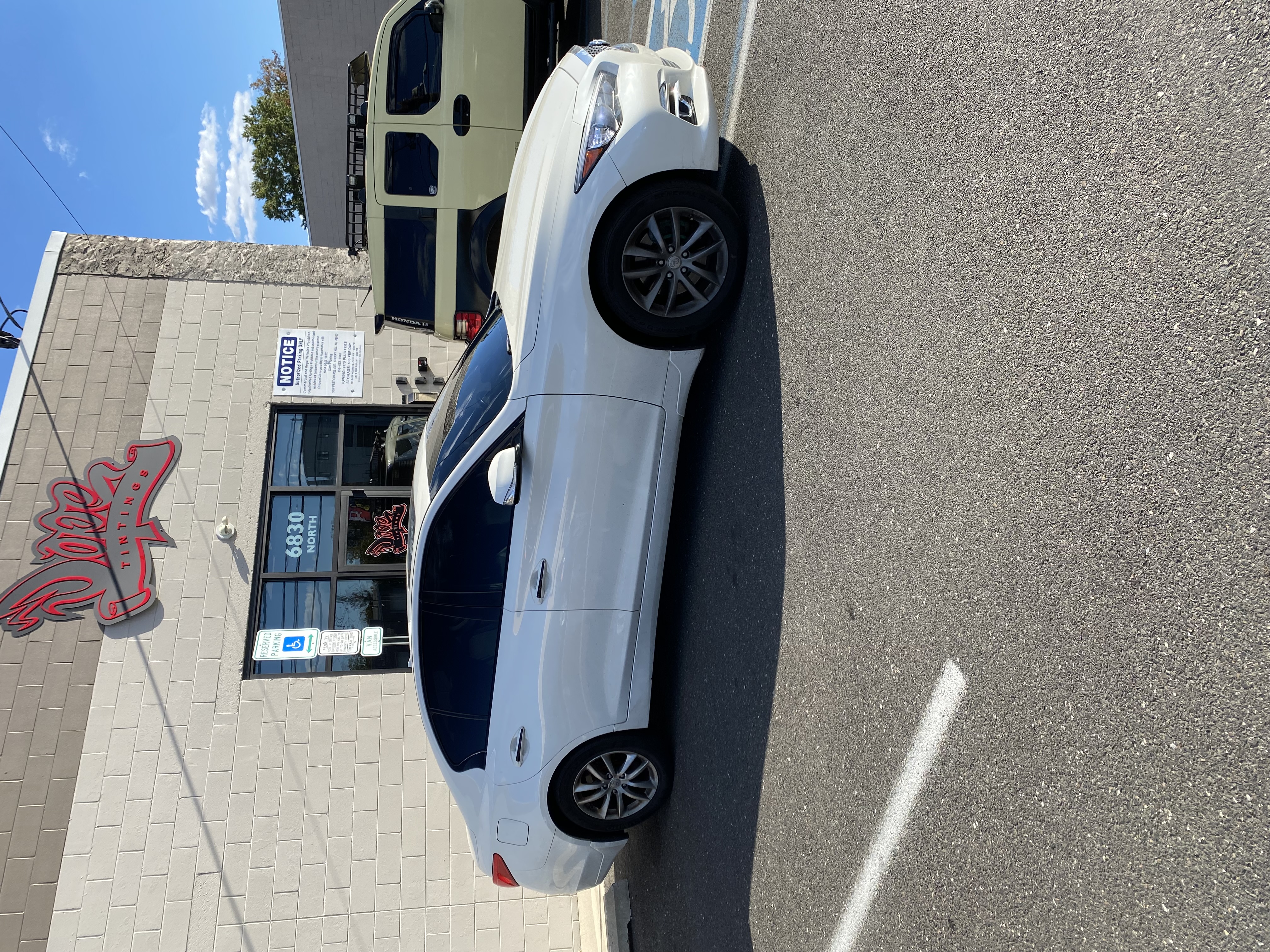
Usually, lower-quality films are less likely to provide the same long-term stability as professional-grade automotive window films.
Cheap film may be more likely to experience:
- Fading
- Purple discoloration
- Adhesive failure
- Bubbling
- Optical distortion
However, even professional film still needs proper installation and care.
Good film is only one piece of the equation.
Does a Lifetime Warranty Mean Tint Lasts Forever?
Not exactly.
A lifetime warranty generally means the film or installation is covered for qualifying issues under the warranty's written terms.
It does not mean:
- Scratches are automatically covered
- Customer damage is covered
- Improper maintenance is covered
- Every possible failure is covered forever
Always read the warranty terms.
A professional shop should be able to explain what is and is not covered.
How Can I Make My Window Tint Last Longer?
If you want professional window tint to last as long as possible:
- Choose a reputable tint shop
- Choose quality professional film
- Follow the installer's care instructions
- Use tint-safe, ammonia-free cleaner
- Keep interior glass reasonably clean
- Avoid abrasive materials
- Tell detailers the windows are tinted
- Tell car wash attendants not to clean the inside glass if you're unsure of their product
- Be careful with pets around the film
- Stay on top of smoke or vape residue
- Contact the installer when you notice a problem
The maintenance routine doesn't need to be complicated.
It just needs to be consistent.
New Jersey Window Tint Laws and Long-Term Ownership
If you're investing in window tint that may stay on your vehicle for many years, make sure you also understand New Jersey's tint laws.
The shade you choose today may remain on the vehicle for a long time.
Read:
New Jersey Tint Laws Explained
We also answer another common New Jersey question here:
Can Cops Pull You Over For Just Window Tint in New Jersey?
Understanding the legal side before choosing your shade can prevent problems later.
Professional Window Tinting in Pennsauken NJ and South Jersey
Dope Tintings provides professional automotive window tinting for drivers throughout:
- Pennsauken
- Camden
- Cherry Hill
- Maple Shade
- Cinnaminson
- Delran
- Collingswood
- Haddonfield
- Marlton
- Mount Laurel
- Moorestown
- Throughout South Jersey
If you're searching for:
- Window tinting Pennsauken NJ
- Car window tint South Jersey
- Professional window tint near me
- Carbon window tint
- Ceramic window tint
- Automotive window tint installation
contact us with your year, make, and model.
Dope Tintings
6830 N Crescent Blvd
Pennsauken, NJ 08110
Phone: 856-577-4119
Final Answer: How Long Does Tint Last on a Car?
So, how long does tint last on a car?
Based on our professional experience, a reasonable guideline for quality automotive film with proper installation and maintenance is:
- Standard window film: approximately 6–10 years
- Carbon window film: approximately 8–15 years
- Ceramic window film: approximately 12–20 years
But that's only part of the answer.
Professional window film can potentially remain in excellent condition even longer when properly cared for.
The film matters.
The installer matters.
The climate matters.
But once the vehicle leaves the tint shop, the customer plays one of the biggest roles in determining how that film ages.
Use the right cleaner.
Keep the inside glass maintained.
Be careful who cleans your windows.
Follow your tint shop's instructions.
And don't assume a lifetime warranty means maintenance no longer matters.
Our favorite way to explain it is simple:
You take care of the tint, and the tint will take care of you.
That's the real answer to how long professional car window tint can last.