Does Window Tint Protect Your Skin From UV Rays?
Automotive window tint can reduce UV exposure through treated glass. Learn how factory glass and window film affect UVA and UVB exposure and whether you need dark tint for protection.
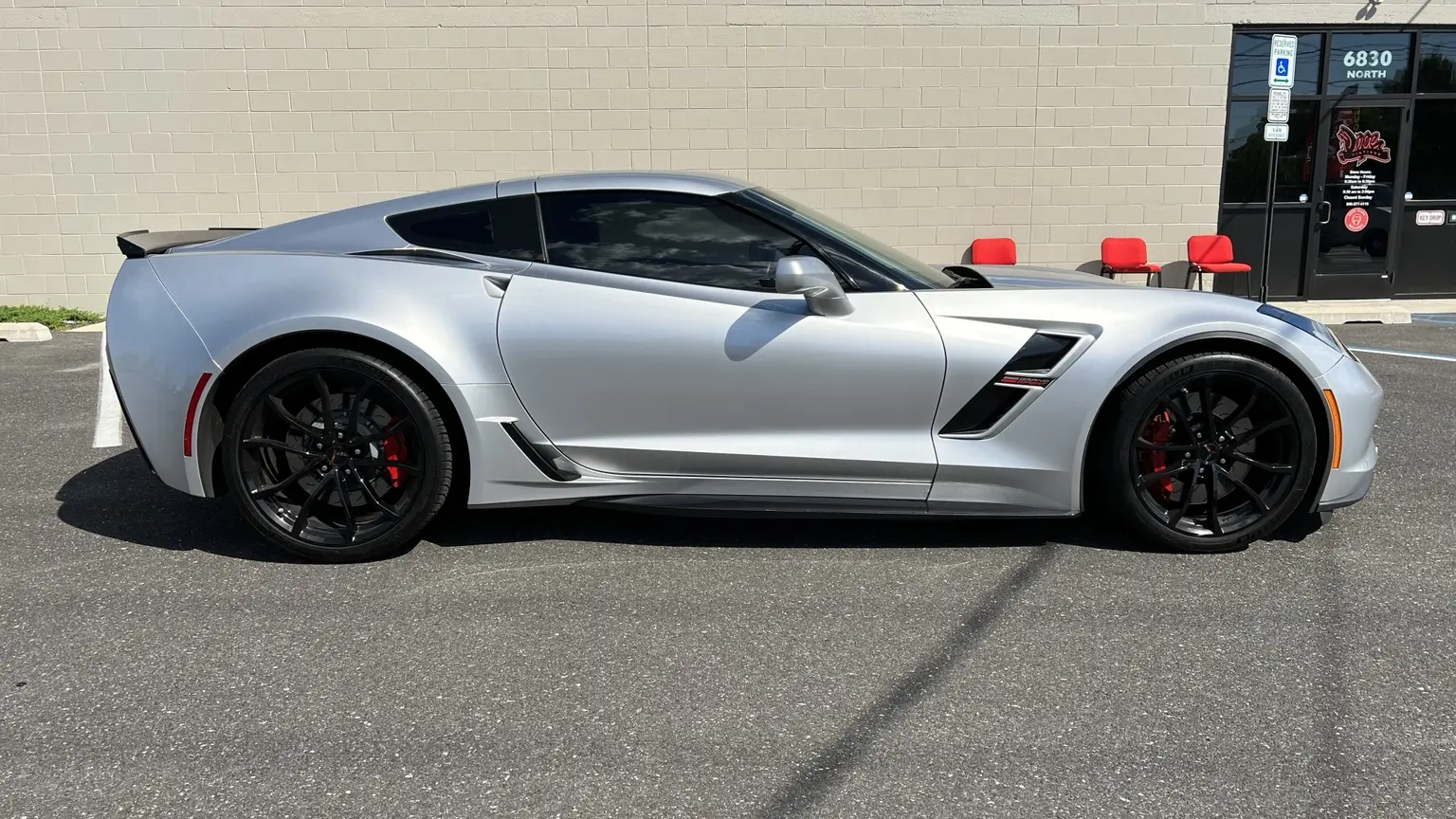
Yes, automotive window tint can help protect your skin by reducing the ultraviolet radiation entering through treated glass. At Dope Tintings, our Standard, Carbon and Ceramic window-film packages are all rated to reject 99.9% of UV rays.
You do not necessarily need extremely dark tint to receive strong UV protection. Tint darkness, heat rejection and UV rejection are separate product characteristics, which is why a light film such as 70% can still provide UV protection without creating a heavily tinted appearance.
Can UV Rays Reach You Through Car Windows?
Yes. Vehicle glass can reduce some ultraviolet exposure, but not every window provides the same level of protection.
Modern windshields are normally made with laminated glass that provides substantial UV protection. Side windows, rear windows and sunroofs may allow more UVA radiation to reach vehicle occupants, depending on the type of glass used.
According to the Skin Cancer Foundation, prolonged UVA exposure through vehicle glass can contribute to cumulative skin damage. This is particularly relevant for drivers because the face, neck, hands and arms may repeatedly receive sunlight through the side glass.
Professional window film adds another protective layer to the glass on which it is installed.
What Is the Difference Between UVA and UVB Rays?
UVA and UVB are two forms of ultraviolet radiation associated with sun exposure.
- UVA rays penetrate more deeply into the skin and are associated with premature skin aging and long-term skin damage.
- UVB rays are strongly associated with sunburn and also contribute to skin damage.
- UVC rays are absorbed by the atmosphere and are not the primary concern for ordinary sunlight exposure inside a vehicle.
The UV protection offered by a window film should be based on the specifications for that particular product—not simply on whether the film is labeled Standard, Carbon or Ceramic.
How Much UV Does Window Tint Block?
At Dope Tintings, the Standard, Carbon and Ceramic packages we offer are all rated for 99.9% UV rejection.
| Dope Tintings package | UV protection | Primary positioning |
|---|---|---|
| Standard | Rated for 99.9% UV rejection | Appearance, privacy and UV protection |
| Carbon | Rated for 99.9% UV rejection | UV protection with upgraded heat rejection |
| Ceramic | Rated for 99.9% UV rejection, including documented UVA and UVB protection | Our highest heat-rejection performance |
All three packages provide strong UV protection. The primary reason to upgrade from Standard to Carbon or Ceramic is improved heat-rejection performance—not because Standard film provides no UV protection.
Is Ceramic Tint Better for UV Protection?
Ceramic film is our most advanced option for customers prioritizing both UV and heat protection.
The Ceramic film we install specifically documents 99.9% rejection of UVA and UVB rays. It is also our highest heat-rejection option among the packages we offer.
Our Standard and Carbon packages are also rated for 99.9% UV rejection. Therefore, Ceramic should not be selected based only on the assumption that the other packages provide little or no UV protection.
The clearest reasons to choose Ceramic include:
- Our highest heat-rejection performance
- Greater comfort while driving in direct sunlight
- Our highest heat-rejection performance for windshields, sunroofs and other large glass areas
- Documented UVA and UVB protection
- Strong protection without requiring extremely dark film
Customers interested in maximum heat-rejection performance can learn more about our Ceramic Window Tinting in South Jersey.
Does Darker Tint Block More UV?
Not necessarily.
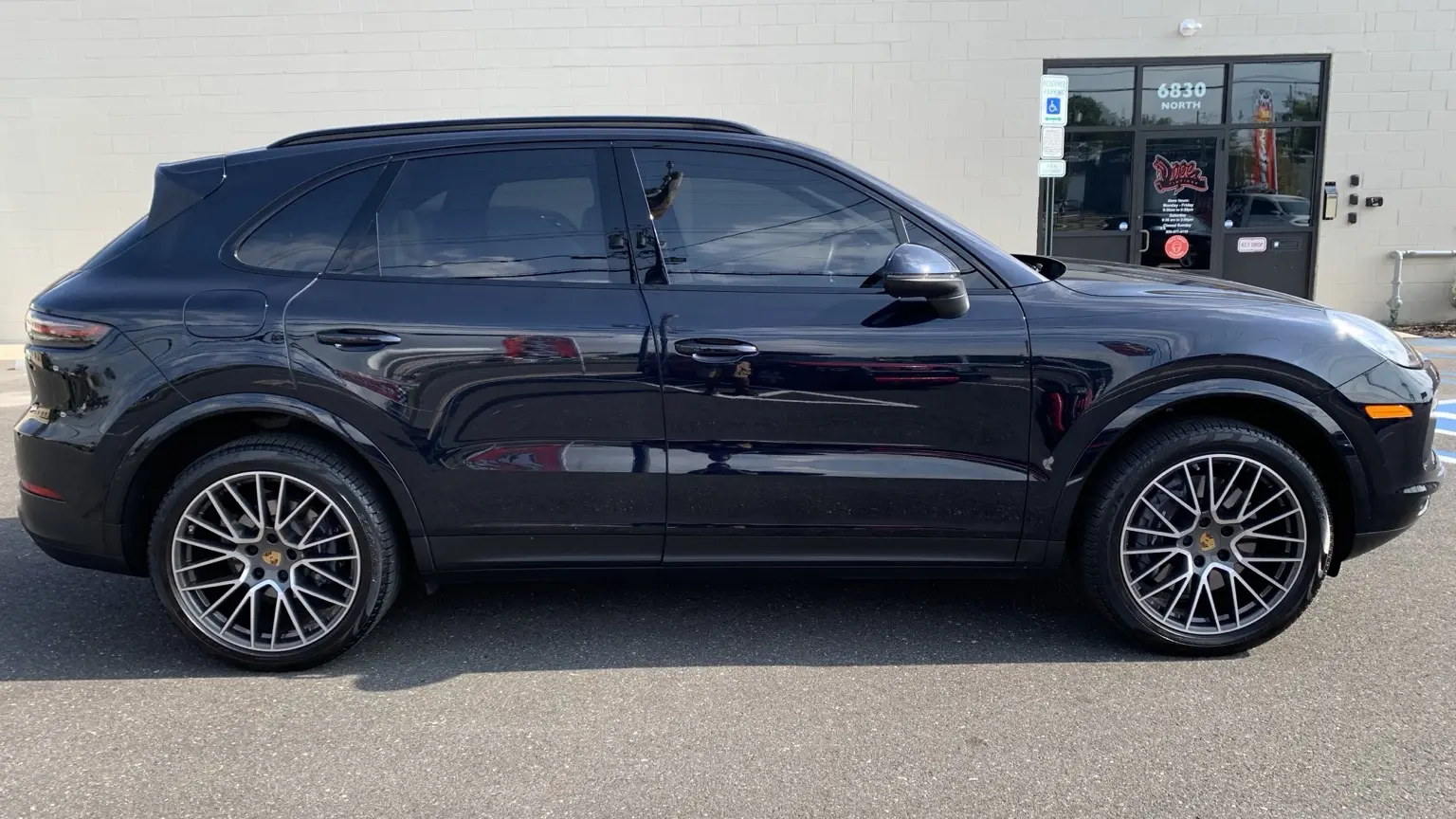
A darker percentage reduces more visible light, but visible-light transmission and UV rejection are different measurements. A very dark film should not automatically be assumed to block more UV than a lighter film carrying the same UV-rejection rating.
For example, a properly selected 70% film may provide the same stated 99.9% UV rejection as a much darker percentage within the same product line. The darker film will change the appearance and privacy level more dramatically, but that does not necessarily mean it blocks a greater percentage of UV radiation.
Customers should choose their percentage based on the complete picture:
- Desired appearance
- Privacy
- Daytime and nighttime visibility
- Glare reduction
- Which windows are being treated
- Applicable window-tint laws
Extremely dark tint is not required solely for UV protection.
What Tint Percentage Is Best for UV Protection Without a Dark Appearance?
When a customer wants UV protection without making the windows look noticeably dark, we normally recommend 70% film. It maintains a much lighter appearance while still providing the UV protection associated with the selected film package.
We may recommend 50% instead when the customer wants slightly more shade or glare reduction while keeping the windows considerably lighter than percentages such as 35%, 20% or 15%.
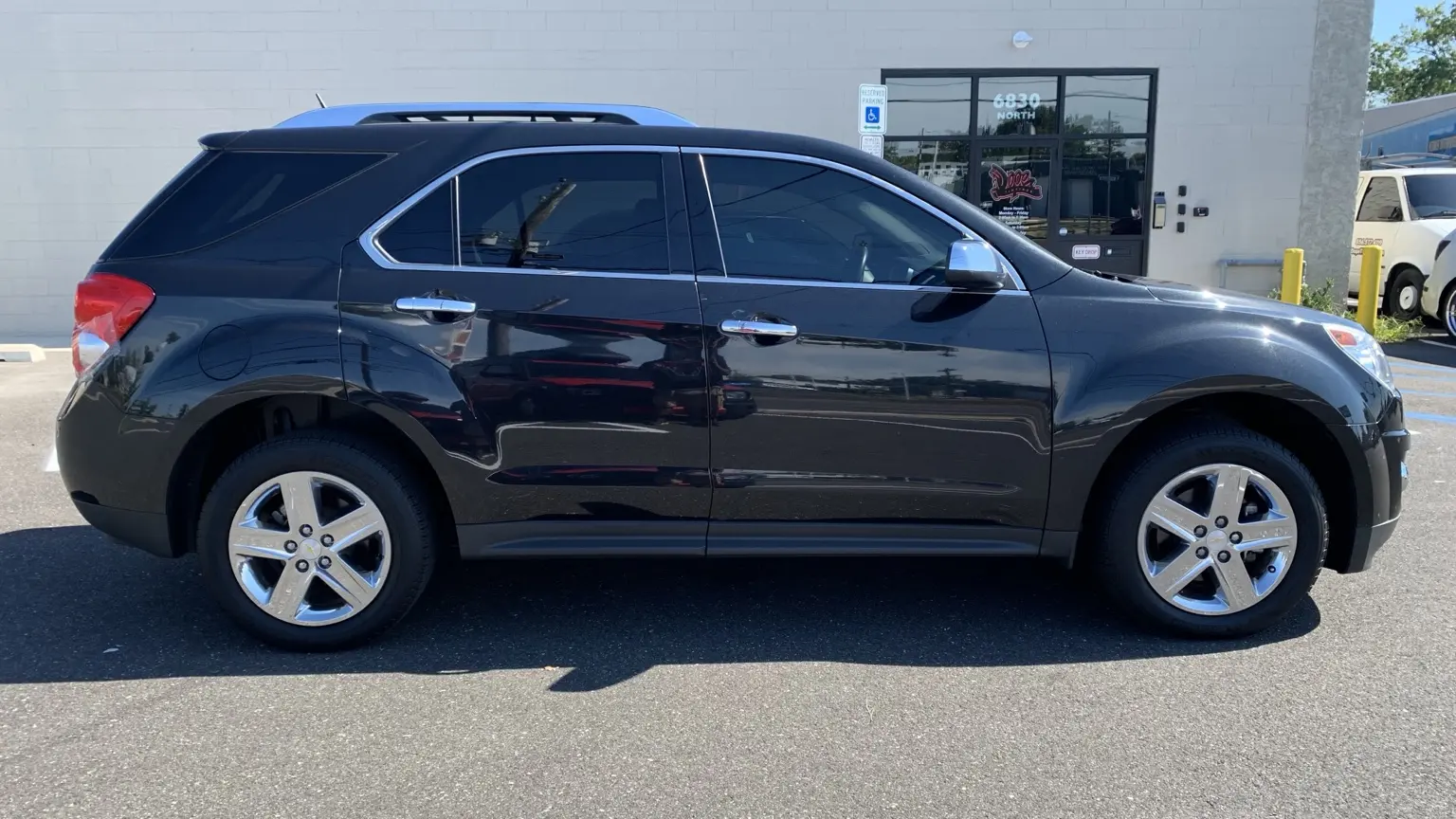
Our practical recommendation is:
| Customer’s goal | Percentage we commonly discuss |
|---|---|
| UV protection with the lightest appearance | 70% |
| UV protection with slightly more shade | 50% |
| Darker appearance and increased privacy | 35% or darker, depending on the glass and visibility preferences |
The best choice depends on which windows are being treated, the vehicle’s original glass and how much of a visible change the customer wants. A customer does not need extremely dark tint solely to receive strong UV protection.
Which Vehicle Windows Matter Most for UV Protection?
The additional UV protection provided by window film applies only to the glass where the film is installed. Untreated automotive glass may already provide some UV protection, but the level varies by the type and construction of the glass.
The driver-side window is particularly important because a driver’s face, arm and hand may remain next to it for extended periods. Other areas to consider include:
- Passenger-side glass
- Rear side windows
- Rear windshield
- Front windshield
- Sunroof or panoramic roof
A customer who only tints the two front doors will receive the film’s added UV protection through those two treated windows. That installation does not change the performance of the untreated windshield, rear glass or sunroof.
Does Windshield Tint Help Protect Your Skin?
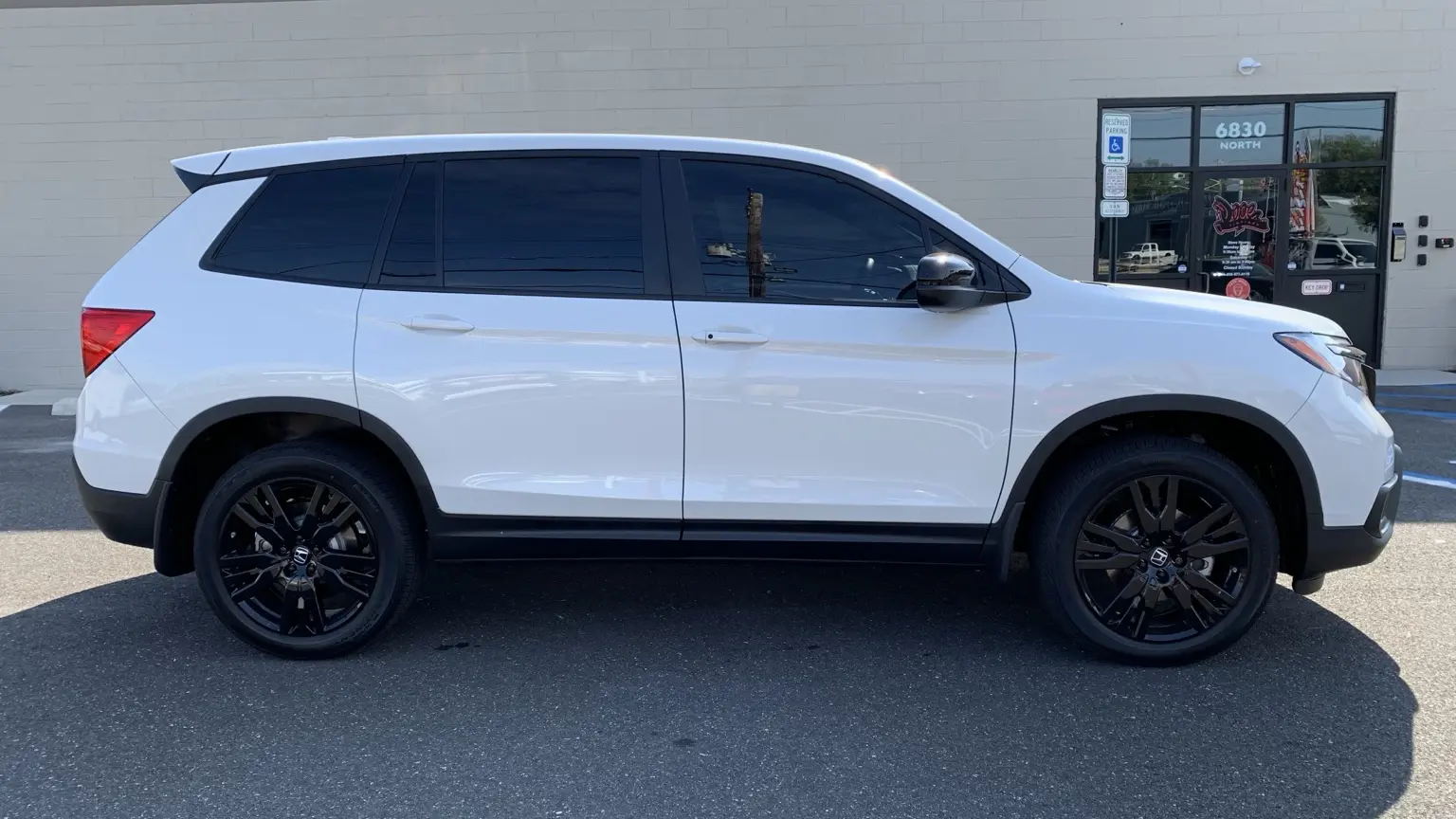
A windshield film can provide additional UV protection through one of the vehicle’s largest glass surfaces.
When discussing windshield film from a UV and appearance standpoint, we commonly recommend 70% for customers who want additional film protection without making the windshield appear noticeably dark. However, New Jersey restricts aftermarket windshield sunscreening, with medical exemptions available for qualifying individuals.
We may discuss 50% when a customer wants more noticeable shade or glare reduction, but the customer must still consider nighttime visibility and New Jersey’s windshield-sunscreening requirements.
Our New Jersey window-tint law guide explains these requirements and medical-exemption considerations in greater detail.
Does Factory Privacy Glass Provide UV Protection?
Factory privacy glass and aftermarket window film are not necessarily the same thing.
The dark appearance found on many rear SUV, crossover and truck windows is commonly created by pigmentation within the glass. It provides privacy and reduces visible light, but its UV and heat-rejection performance depends on the vehicle’s original glass specifications.
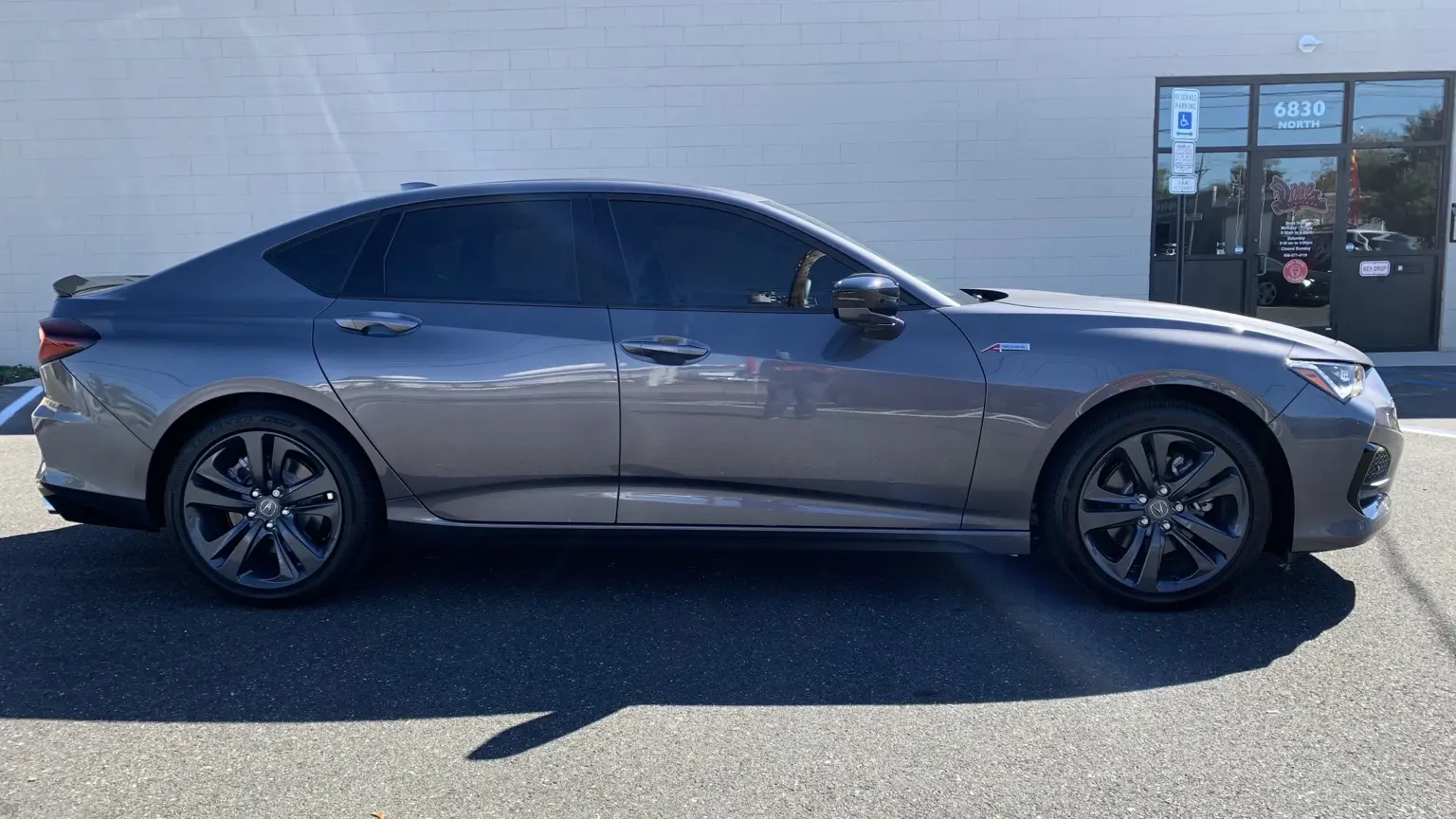
Dark-looking factory glass should not automatically be assumed to provide the same documented UVA, UVB or heat-rejection performance as professionally installed window film.
Film can be installed over compatible factory privacy glass when the customer wants documented film performance or additional heat rejection. The final appearance may become darker because the film and original glass work together.
Who May Benefit From UV-Protective Window Film?
UV-protective automotive film may be worth considering for:
- Drivers who spend several hours on the road
- Commuters regularly exposed to sunlight through the side windows
- Professional drivers
- People who want additional protection for children or passengers
- Customers concerned about cumulative sun exposure
- Drivers who want UV protection without extremely dark windows
A lighter film may be especially useful for someone who wants protection without substantially changing the vehicle’s appearance.
Does Window Tint Replace Sunscreen?
No. Automotive window tint can reduce UV exposure through treated glass, but it should not be treated as a replacement for sunscreen, protective clothing or professional medical advice.
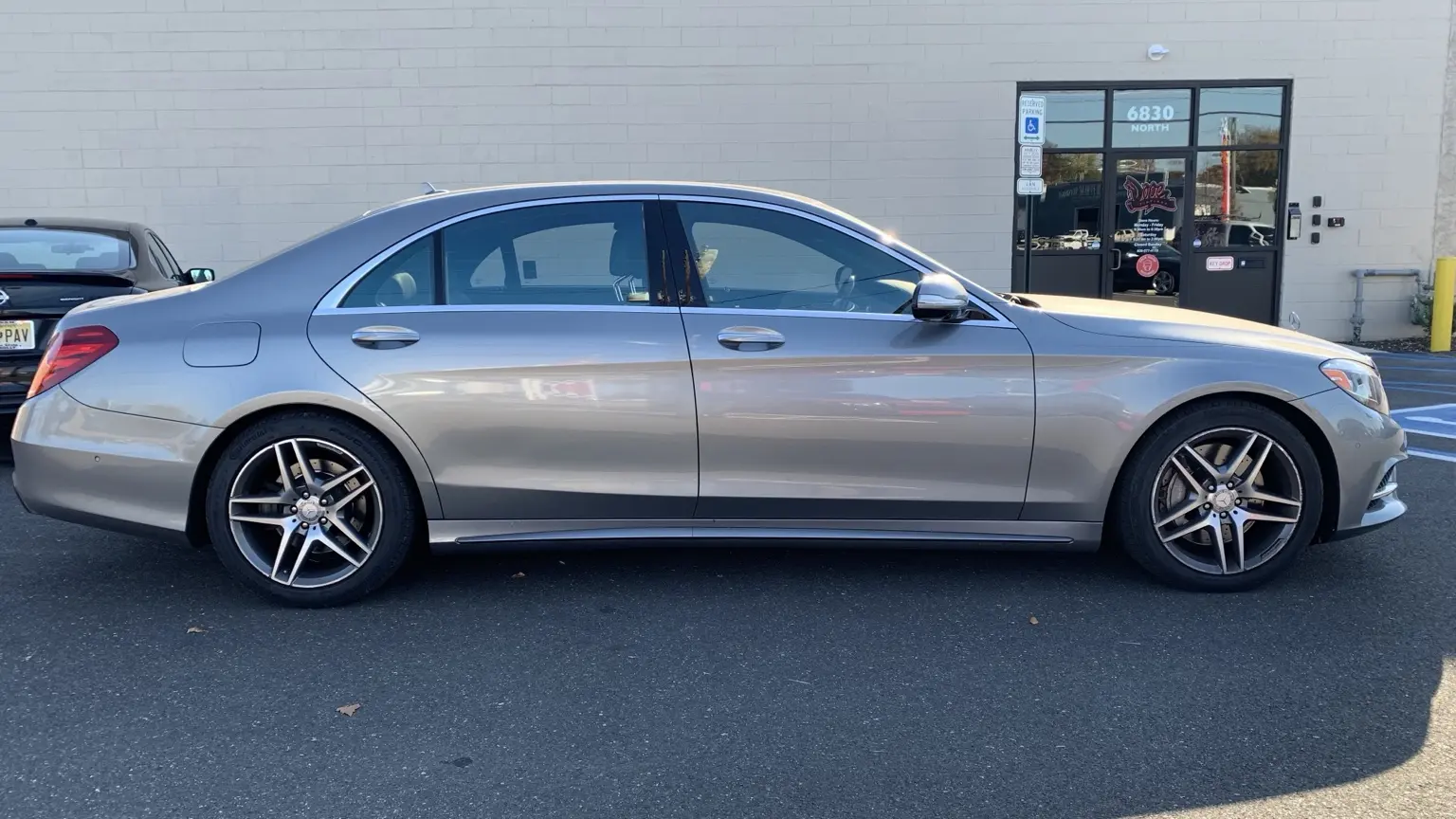
The film only provides its added protection through the glass on which it has been installed. Occupants may still receive UV exposure through untreated windows, while entering or leaving the vehicle and whenever they spend time outdoors.
Anyone with a medical condition or specific concern about UV exposure should speak with a qualified healthcare professional.
Does Window Tint Also Protect the Car’s Interior?
Yes, reducing UV exposure can also help slow sun-related deterioration inside the vehicle.
During more than 20 years of working on vehicles, we have seen sunlight contribute to fading and deterioration on:
- Dashboards
- Steering wheels
- Front and rear seats
- Rear-seat headrests
- Rear decks beneath the back window
- Door panels
- Interior trim
Window tint cannot guarantee that an interior will never fade, crack or deteriorate. However, reducing UV exposure through the treated glass adds a layer of protection for both the occupants and the interior materials.
Should You Choose Standard, Carbon or Ceramic?
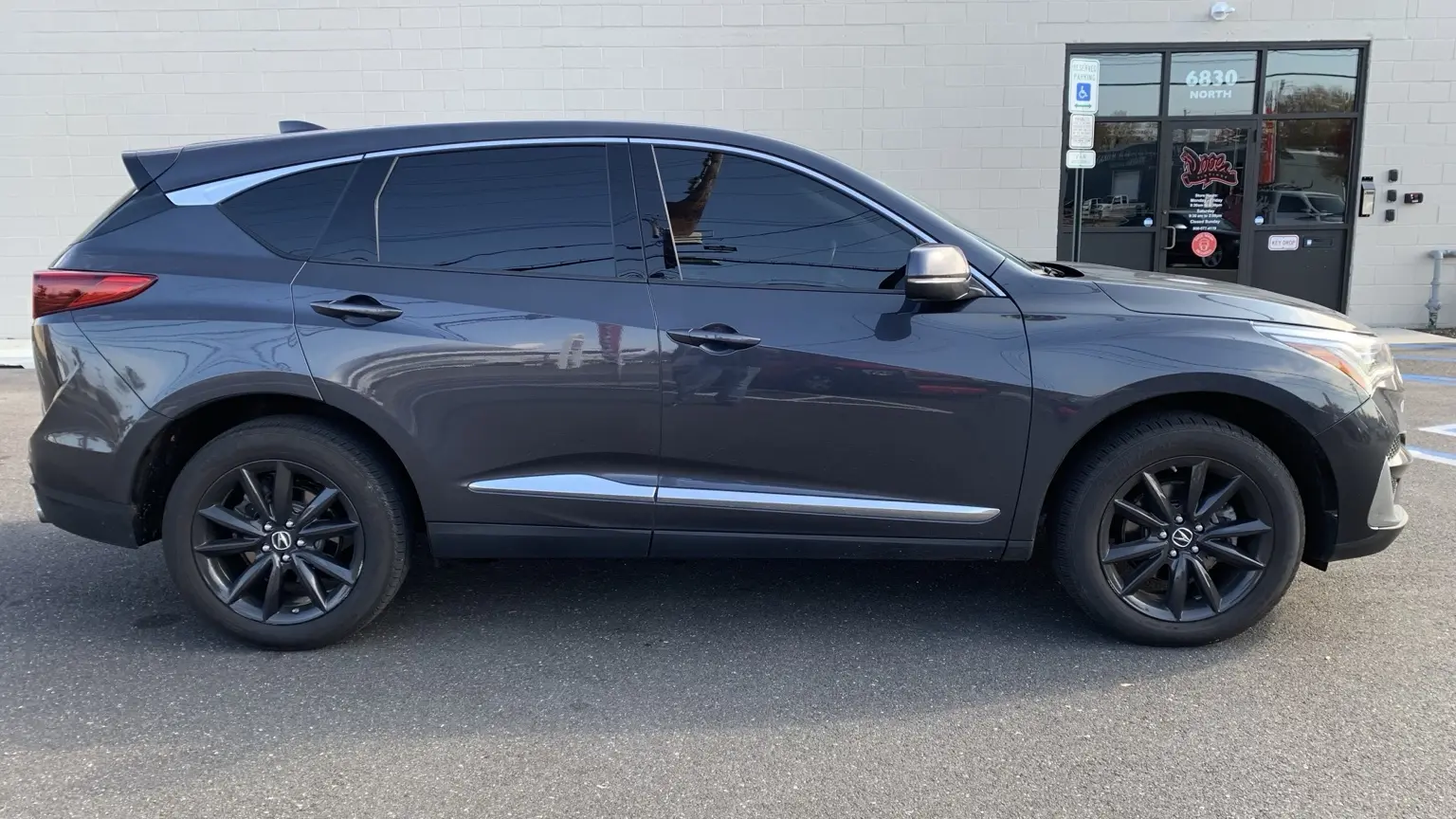
The best package depends on whether the customer primarily wants UV protection or also wants upgraded heat rejection.
Standard Window Film
Standard is appropriate for customers focused on appearance, privacy and UV protection. It is rated for 99.9% UV rejection but is not positioned as one of our upgraded heat-rejection packages.
Carbon Window Film
Carbon provides the same stated 99.9% UV rejection while adding noticeably better heat-rejection performance than Standard. It is a good choice for customers who want UV protection and greater comfort without moving to our highest-performing package.
Ceramic Window Film
Ceramic is our highest heat-rejection option. It provides documented UVA and UVB protection while offering our strongest performance for customers who prioritize heat relief.
Ceramic can be especially valuable when treating large areas of glass such as a windshield or panoramic sunroof. However, Ceramic is not required merely to receive strong UV protection.
Professional Window Tinting in South Jersey
Window tint can help reduce UV exposure through treated automotive glass, but customers do not need to select an extremely dark percentage solely for protection.
At Dope Tintings, our Standard, Carbon and Ceramic packages are all rated for 99.9% UV rejection. We can help you compare film packages, percentages and coverage based on your desired appearance, privacy, visibility and heat-rejection needs.
Explore our Window Tinting in South Jersey service or contact Dope Tintings in Pennsauken for a recommendation based on your vehicle.