Does Window Tint Look Weird With Polarized Sunglasses?
Polarized sunglasses can make tinted automotive glass display rainbow colors, blotchy patterns or dark patches. This optical effect can occur with Standard, Carbon or Ceramic film and does not automatically mean the tint is defective.
Yes. Window tint can look unusual through polarized sunglasses, producing rainbow colors, blotchy areas, dark patches, lines or an oil-slick appearance.
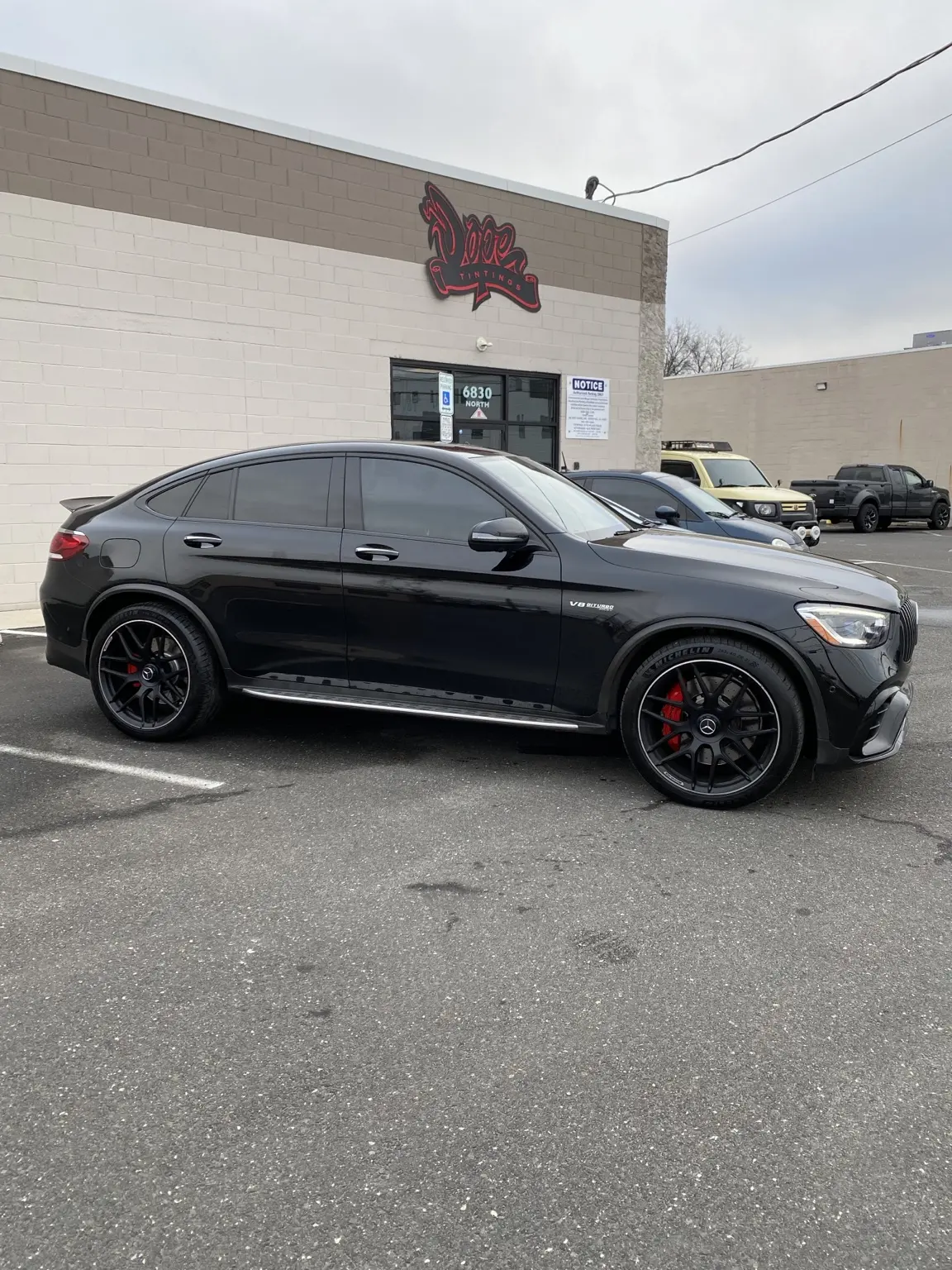
At Dope Tintings, we have personally observed this effect through tinted automotive glass. It can happen with Standard, Carbon or Ceramic film and with both light and dark tint percentages. The intensity depends on the glass, film, sunglasses, lighting, viewing angle and reflections surrounding the vehicle.
What Can Tinted Windows Look Like Through Polarized Sunglasses?
The exact appearance varies, but drivers may notice:
- Rainbow-colored bands
- Blotchy or cloudy-looking areas
- Dark patches
- Checkerboard-like patterns
- Shimmering colors
- Lines or spots across the glass
- An oil-on-water appearance
- Changes when turning or tilting their head
The pattern may become more visible when looking through a side window at bright pavement, another vehicle, the sky or reflected sunlight.
Some drivers barely notice it. Others find it distracting at first but gradually become accustomed to the appearance.
Why Does This Happen?
Polarized sunglasses are designed to filter light traveling in certain directions. This helps reduce reflected glare from roads, water, vehicle surfaces and other bright horizontal areas.
Automotive glass and window film can also affect the way light passes through or reflects from the window. When the altered light reaches polarized sunglass lenses, differences that were difficult to see with the naked eye can become much more noticeable.
The finished appearance can involve several optical factors:
- Polarization from the sunglasses
- Light interacting with different surfaces and layers within the window film
- The film’s scratch-resistant coating
- Reflections from the road and sky
- Stress patterns within the automotive glass
- The angle between the viewer, glass and light source
- The construction of the polarized lenses
The tint has not suddenly changed color. The sunglasses are filtering the light in a way that reveals patterns or color variations that normally remain less noticeable.
Can Automotive Glass Create the Effect Without Tint?
Yes. Polarized sunglasses can reveal patterns in certain automotive windows even when no aftermarket film has been installed.
Tempered automotive glass contains internal stress created during the manufacturing and tempering process. When viewed through polarized lenses under certain lighting conditions, those stress patterns can appear as spots, lines, blotches or rainbow-colored areas.
This is sometimes called birefringence, anisotropy, strain patterning or a quench pattern.
Aftermarket window film can introduce additional layers that change how the completed window appears through polarized lenses. However, seeing a pattern does not prove that the film alone created it.
The effect may result from:
- The original glass
- The aftermarket film
- The interaction between the glass and film
- The polarized sunglasses
- A combination of all these factors
Does It Only Happen With Ceramic Tint?
No. The effect should not be described as a Ceramic-only problem.
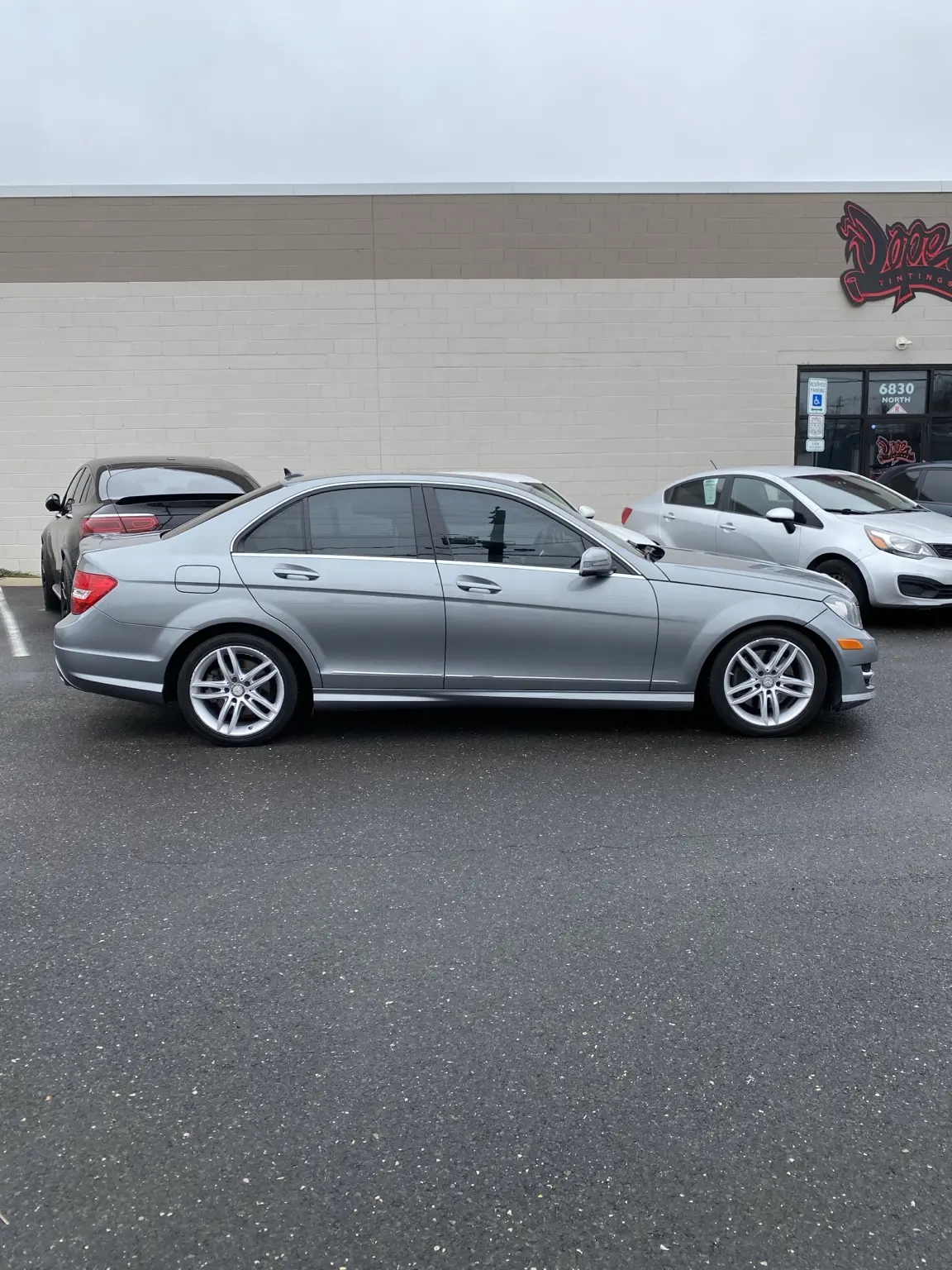
At Dope Tintings, we have noticed rainbow colors and blotchy patterns while looking through different types of window film with polarized sunglasses. It can occur with:
- Standard tint
- Carbon tint
- Ceramic tint
- Light film
- Dark film
Certain film constructions may make the effect more noticeable than others, but Ceramic technology is not the sole cause.
Customers should be cautious when someone claims that seeing rainbow colors through polarized sunglasses automatically means the Ceramic film is defective or incorrectly installed.
Does the Tint Percentage Make a Difference?
The tint percentage can change the overall brightness of the view, but darkness alone does not determine whether the polarized effect will appear.
A 70% film can potentially show unusual colors or patterns even though it has a very light appearance. A 5% film can also show the effect, although its dark appearance may change how noticeable particular colors become.
The strength of the effect can depend more on:
- The specific film construction
- The glass beneath the film
- Sunlight intensity
- Reflections outside the vehicle
- Viewing angle
- Sunglass-lens construction
Choosing a lighter percentage does not guarantee that every polarized pattern will disappear.
Which Tinted Windows Can Look Weird?
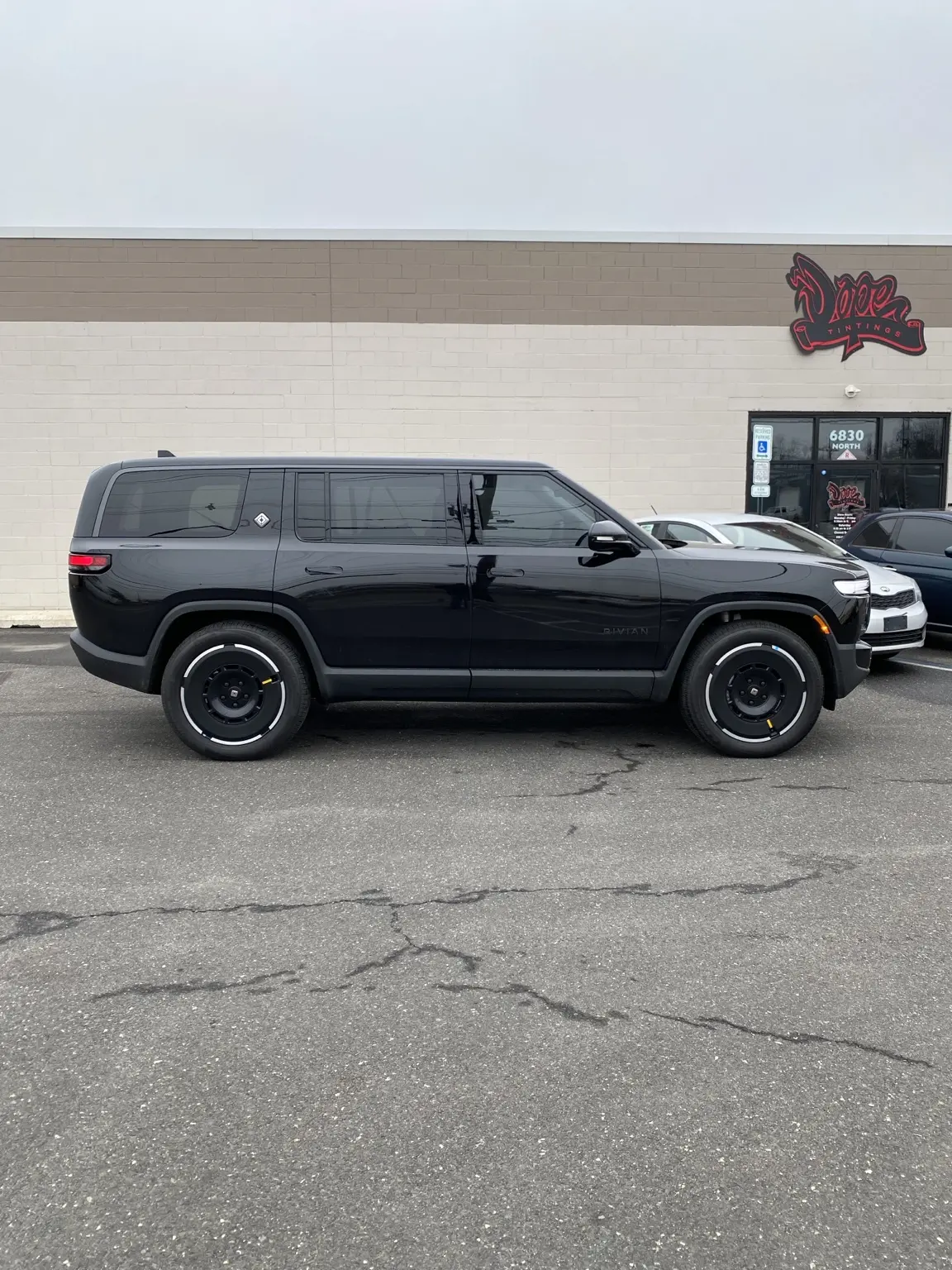
The effect can appear through any automotive window where the interaction between the glass, film, light and polarized lenses makes it visible.
That can include:
- Front side windows
- Rear side windows
- Rear windows or back glass
- Full windshields
- Sunroofs
- Panoramic roofs
- Factory privacy glass with film added over it
In our personal experience, if we are looking through a window that has film installed, it is possible to notice rainbow colors, blotchy areas or other polarization effects.
The appearance may still be stronger through one window than another because vehicles do not use identical glass construction in every position.
Is the Effect More Noticeable on Side Windows?
It can be, particularly when side or rear windows use tempered glass.
The tempering process can leave stress patterns that become visible through polarized lenses. Bright sunlight and reflected light can make these patterns more pronounced.
A windshield is generally made from laminated glass rather than the same tempered construction commonly used for traditional side windows. However, windshield film, laminated layers, reflections and polarized lenses can still produce unusual optical effects.
The exact appearance can therefore vary between the windshield, side windows and rear glass on the same vehicle.
Does the Rainbow Effect Mean the Tint Is Defective?
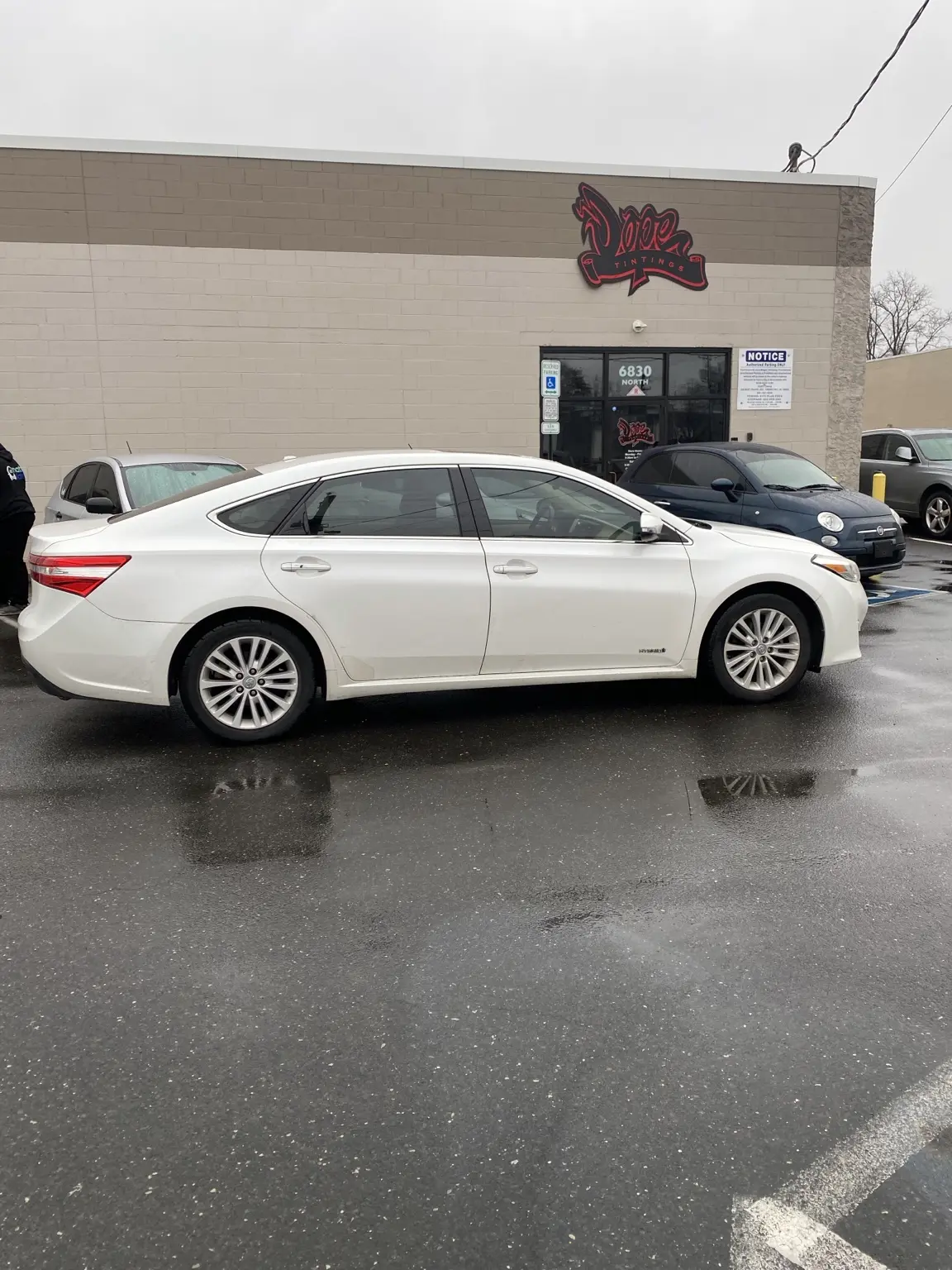
Usually, no. A rainbow or blotchy appearance that appears only while wearing polarized sunglasses does not automatically indicate a defective installation.
A useful test is to remove the polarized sunglasses and look through the same window from the same position.
If the colors or patterns disappear—or become substantially less noticeable—the effect is probably related to polarization rather than contamination, trapped debris or film failure.
Customers should still contact the installer if they observe problems such as:
- Peeling edges
- Large installation bubbles
- Visible contamination
- Creases
- Scratches in the film
- Permanent cloudy areas
- Distortion visible without polarized glasses
- Adhesive failure
Those conditions are different from an optical pattern that appears only through polarized lenses.
Will the Polarized Effect Disappear After the Tint Cures?
Not necessarily.
New window film can temporarily show moisture pockets, haze or slight cloudiness while it cures. Those installation-related conditions should improve as the remaining moisture evaporates.
Polarization effects are different. If the rainbow or blotchy appearance is caused by the optical interaction between the film, glass, light and sunglasses, it may remain after the film has fully cured.
A customer should not assume that a polarized rainbow pattern will disappear after several days simply because the tint has finished drying.
How Can You Reduce the Effect?
The appearance often changes when the relationship between the glasses, window and light changes.
Possible ways to reduce it include:
- Removing the polarized sunglasses
- Trying a different pair of polarized sunglasses
- Using quality non-polarized sunglasses for driving
- Changing the viewing angle when the vehicle is stationary
- Comparing the window under different lighting conditions
- Keeping the interior and exterior glass clean
Do not tilt or turn your head repeatedly while actively driving in an attempt to change the effect. If the patterns interfere with safe visibility, switch to suitable non-polarized driving glasses.
Non-polarized sunglasses can still provide UV protection when properly rated. Polarization and UV protection are separate features.
Can Polarized Sunglasses Affect Vehicle Screens or Head-Up Displays?
Yes. Polarized sunglasses can also make some digital displays, navigation screens and head-up displays appear darker, change color or become difficult to see from certain angles.
That behavior is separate from the window tint itself.
If a driver notices both rainbow patterns in the glass and a dim dashboard display, the polarized lenses may be interacting with multiple surfaces inside the vehicle.
Rotating the glasses while the vehicle is parked may help confirm whether polarization is causing the screen to darken.
Is This Similar to a Dash-Camera Polarizing Filter?
The optical principle is related, although the equipment and purpose are different.
Some dash cameras use a circular polarizing lens filter to reduce windshield and dashboard reflections. Combining a polarizing filter with dark window tint may reduce the light reaching the camera, especially at night.
Our guide explaining whether window tint affects a dash cam covers that issue in greater detail.
Should You Avoid Window Tint If You Wear Polarized Sunglasses?
Not necessarily. Many customers wear polarized sunglasses while driving vehicles with tinted windows.
The important consideration is personal comfort. Some drivers barely notice the rainbow or blotchy appearance, while others find it distracting.
If you regularly wear polarized sunglasses, consider looking through a professionally tinted vehicle before selecting your film. This can help you understand the possible appearance, although the exact result may still differ because every vehicle, glass type and pair of sunglasses can behave differently.
Final Answer
Window tint can look unusual through polarized sunglasses. Drivers may see rainbow colors, dark patches, lines, blotchy areas or an oil-slick appearance.
At Dope Tintings, we have personally noticed this effect with different film packages and tint percentages. It is not limited to Ceramic film and does not automatically mean the tint is defective.
Polarized lenses can reveal optical effects created by the film, automotive glass, reflected light or a combination of these factors. If the appearance disappears when the glasses are removed, it is most likely a polarization effect rather than an installation problem.
Customers throughout Pennsauken and South Jersey can compare film types, percentages and visibility considerations through our professional window-tinting service.