
Does Window Tint Affect a Dash Cam?
Window tint usually does not stop a dash cam from recording, but dark film can reduce the light available to the camera—especially at night. Camera quality, tint percentage, lighting and mounting position all affect the footage.
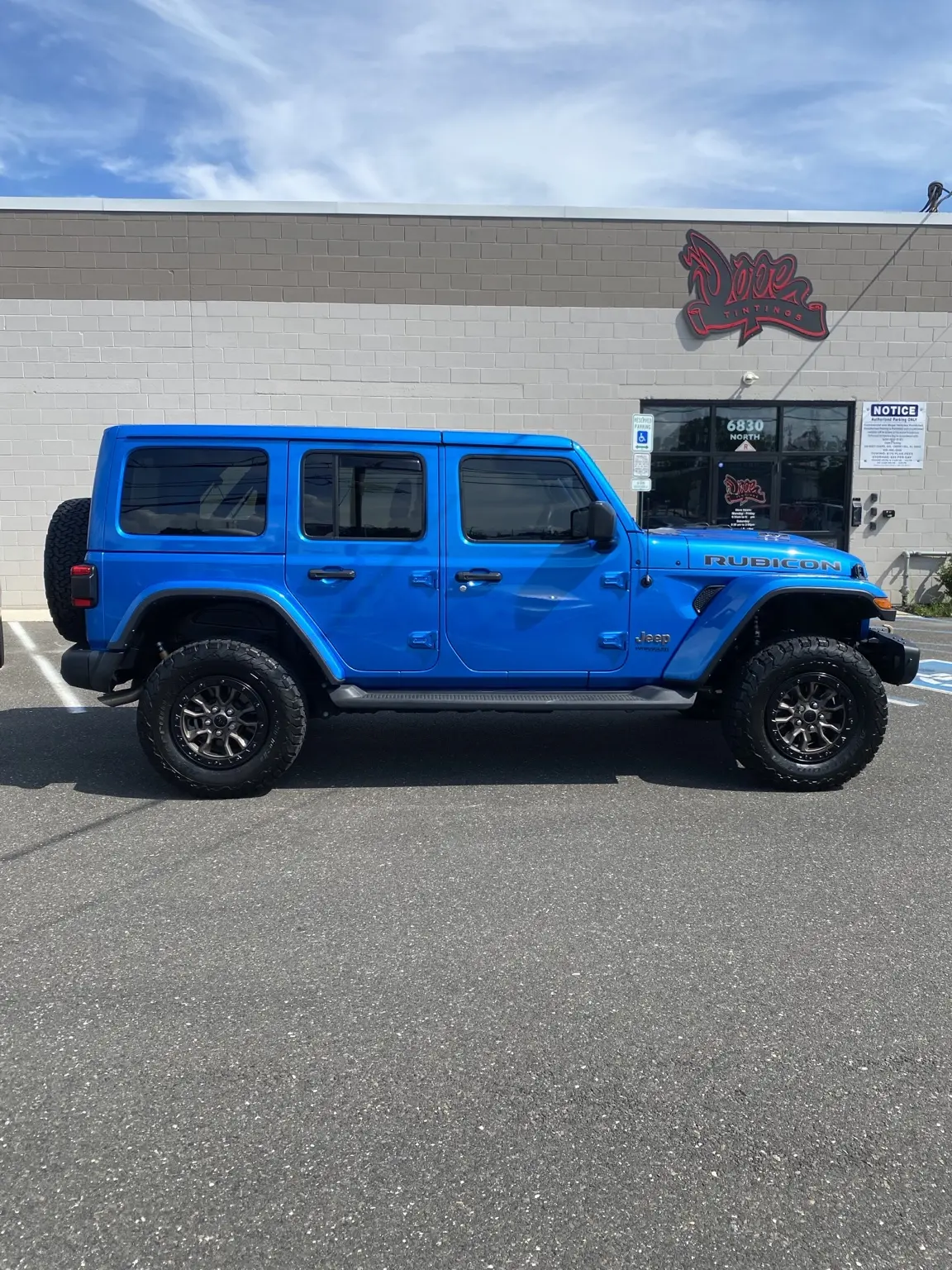
Window tint usually does not stop a dash cam from working. However, because the camera records through the treated glass, darker film can reduce the amount of light reaching its sensor and may affect nighttime footage, exposure or fine details.
At Dope Tintings, we have tinted vehicles with aftermarket and factory-installed cameras. We have not had customers contact us to report that our window film prevented their dash cameras from operating correctly, but results can vary by camera, tint percentage, mounting position and surrounding light.
Can a Dash Cam Record Through Window Tint?
Yes. A dash camera can record through tinted automotive glass.
The camera is positioned inside the vehicle and points through the windshield or rear window. Window film does not normally block the camera’s electronics, storage system or power connection.
What the film can change is the amount of visible light available to the camera lens. A lighter percentage allows more visible light through than a darker percentage.
Many cameras use automatic exposure, HDR, low-light processing and other features to compensate for changing conditions. Those features can help, but they cannot guarantee identical footage through every tint percentage under every lighting condition.
Will Windshield Tint Affect a Front Dash Cam?
It can, especially when the windshield is tinted with a dark percentage.
During the day, a quality dash camera may continue producing clear footage through tinted glass because considerable sunlight is available. The film may reduce some visible brightness reaching the camera, although reflections and glare depend on the windshield, dashboard, camera position and whether the camera uses a polarizing filter.
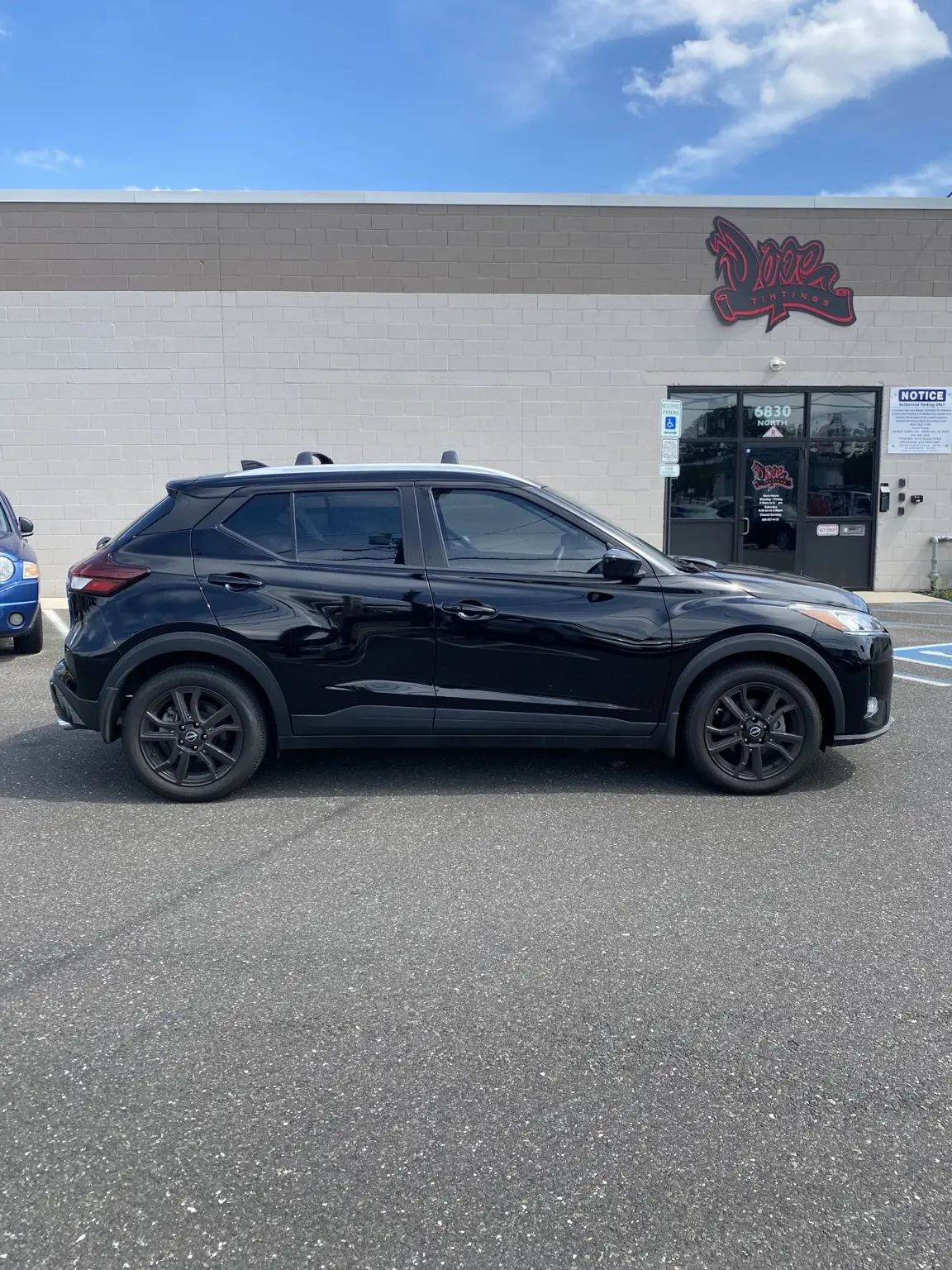
Nighttime is different. A darker windshield allows less visible light to reach both the driver and the camera. Streetlights, headlights and illuminated signs may still appear clearly, while darker areas, pedestrians, road edges or license-plate details may become more difficult for the camera to record.
This does not mean that every vehicle with a tinted windshield will experience poor footage. It means the customer should not assume the camera will produce exactly the same image through 5% film as it would through untreated glass or a much lighter film.
How Can Different Tint Percentages Affect a Dash Cam?
The possible effect generally increases as the film becomes darker, but camera quality and lighting remain important.
| Tint percentage | Possible dash-camera consideration |
|---|---|
| 70% | Very light appearance with a relatively small reduction in visible light |
| 50% | Light shading that may have a limited effect on a quality camera |
| 35% | Noticeably tinted and may affect low-light footage depending on the camera |
| 20% or 15% | Greater potential for darker nighttime recordings |
| 5% or 1% | Strongest visible-light reduction and greatest potential nighttime tradeoff |
This table should not be treated as a performance guarantee. A high-quality camera with strong low-light capability may perform better through darker film than an older or lower-quality camera performs through lighter glass.
Customers should test and review actual daytime and nighttime footage after the film is installed.
Does Ceramic Tint Work Better With Dash Cameras?
Ceramic film does not automatically give a dash camera clearer nighttime visibility than Standard or Carbon film at a comparable labeled percentage.
The percentage primarily describes how much visible light the film is designed to transmit. The film package determines other performance characteristics, including heat rejection.
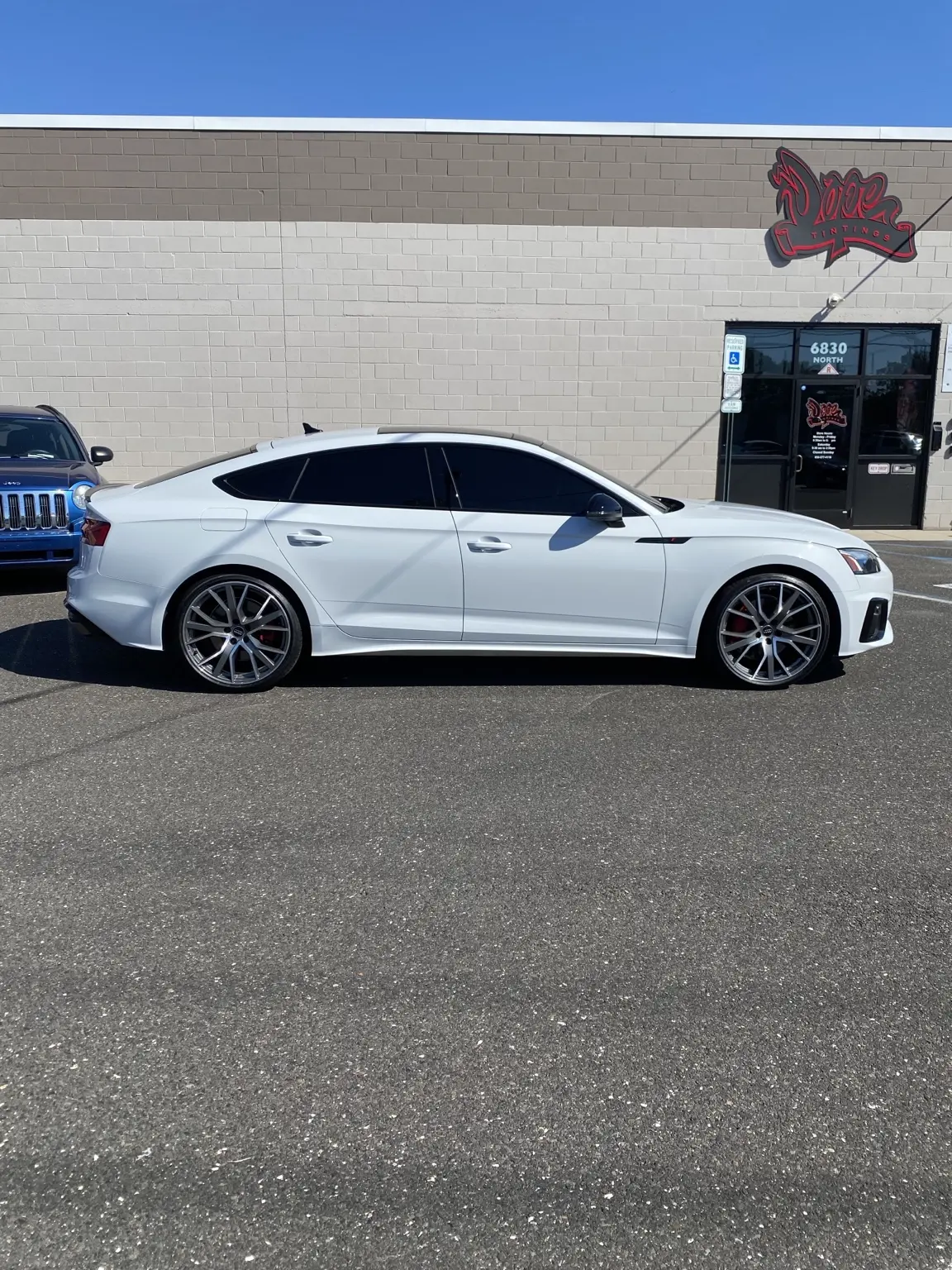
For example, a 20% Ceramic film is still designed to create a dark appearance. Ceramic technology does not make a very dark percentage behave like 70% film when a camera records at night.
Customers choosing a windshield percentage should therefore consider three separate decisions:
- The appearance they want
- Their own nighttime visibility
- The amount of light available to a dash camera
Does a CPL Filter Matter With Tinted Windows?
Some dash cameras use a CPL, or circular polarizing lens, to reduce reflections from the windshield and dashboard. This can improve contrast and reduce glare in daytime footage.
However, a CPL also reduces some of the light reaching the camera sensor. When it is combined with darker window tint, the nighttime image may become darker depending on the camera, tint percentage and surrounding lighting.
If your dash camera uses a CPL and you have a tinted windshield or rear window, review actual nighttime footage after installation. Depending on the camera manufacturer’s recommendations and your driving conditions, removing or adjusting the CPL may improve low-light recording.
What Happens to a Dash Cam During Windshield Tinting?
A dash camera attached directly to the windshield must be moved before the film can be installed properly.
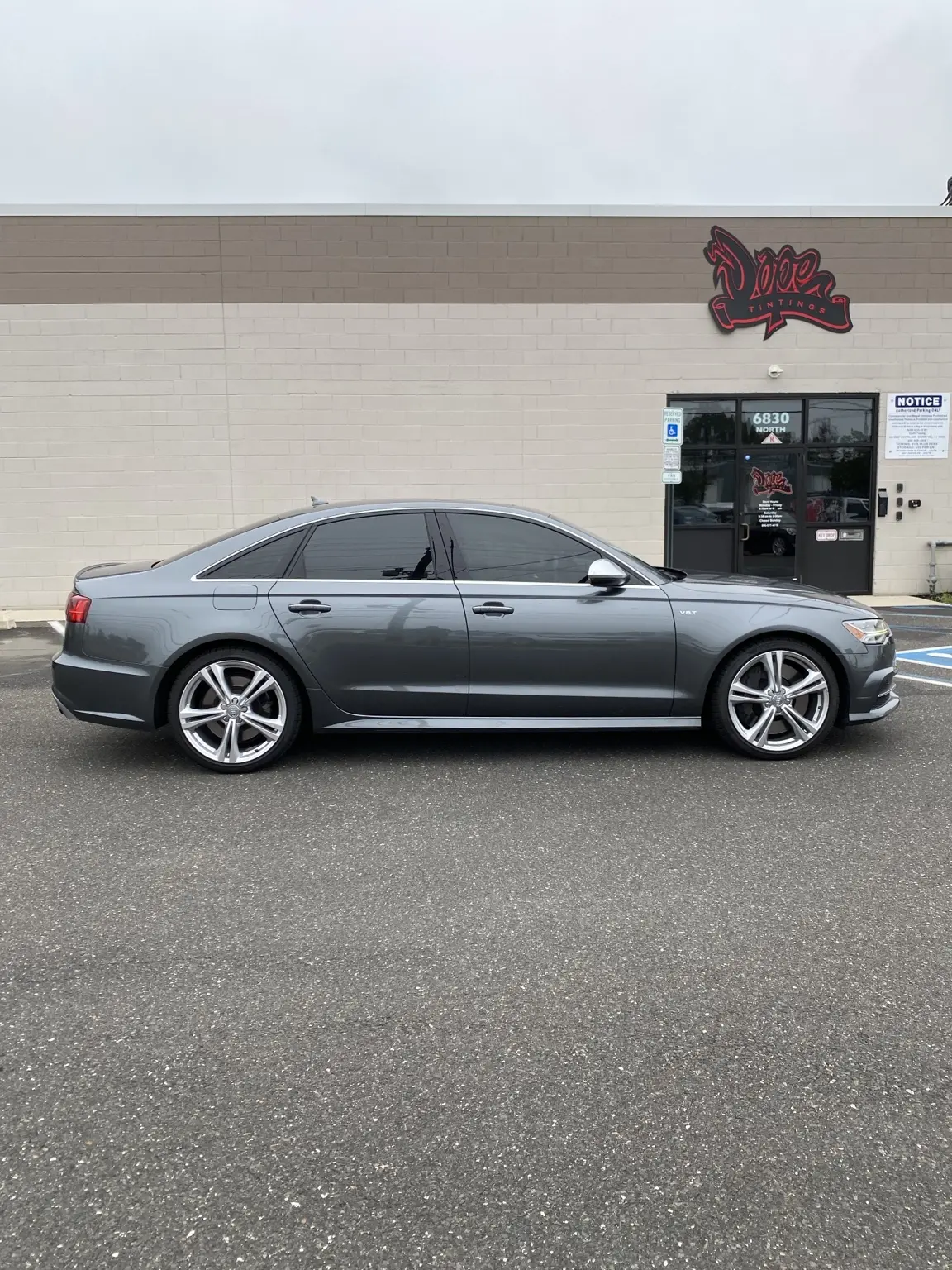
At Dope Tintings, we normally ask customers to remove dash cameras and other windshield-mounted accessories before their appointment. If a removable camera is still attached when the vehicle arrives, we remove it before beginning the installation.
Common attachments include:
- Suction-cup mounts
- Double-sided adhesive mounts
- GPS units
- Toll devices
- Phone mounts
- Removable camera brackets
The installer needs access to the interior glass so it can be cleaned, prepared and covered with film. Attempting to install around an ordinary removable mount could interfere with the film pattern and finished appearance.
Can You Attach a Dash Cam Directly to Window Film?
Some dash-camera mounts use strong double-sided adhesive. Attaching one directly to tint can create a potential problem if the mount is removed later.
Pulling aggressively on a strongly bonded mount may lift, stretch, tear or damage the film beneath it. Customers should choose the mounting position carefully and follow the camera manufacturer’s installation instructions.
After receiving new windshield tint:
- Follow the tint installer’s curing instructions before reinstalling adhesive or suction-mounted equipment against the newly tinted glass.
- Avoid repeatedly repositioning adhesive brackets.
- Do not pull aggressively on a mount attached to the film.
- Do not use a blade or sharp tool against the film.
- Have the tint inspected if the mount begins lifting the film.
A suction cup can also place repeated pressure on the treated surface. Customers should therefore discuss the intended camera location before or during the tint appointment.
What About a Factory-Installed Camera?
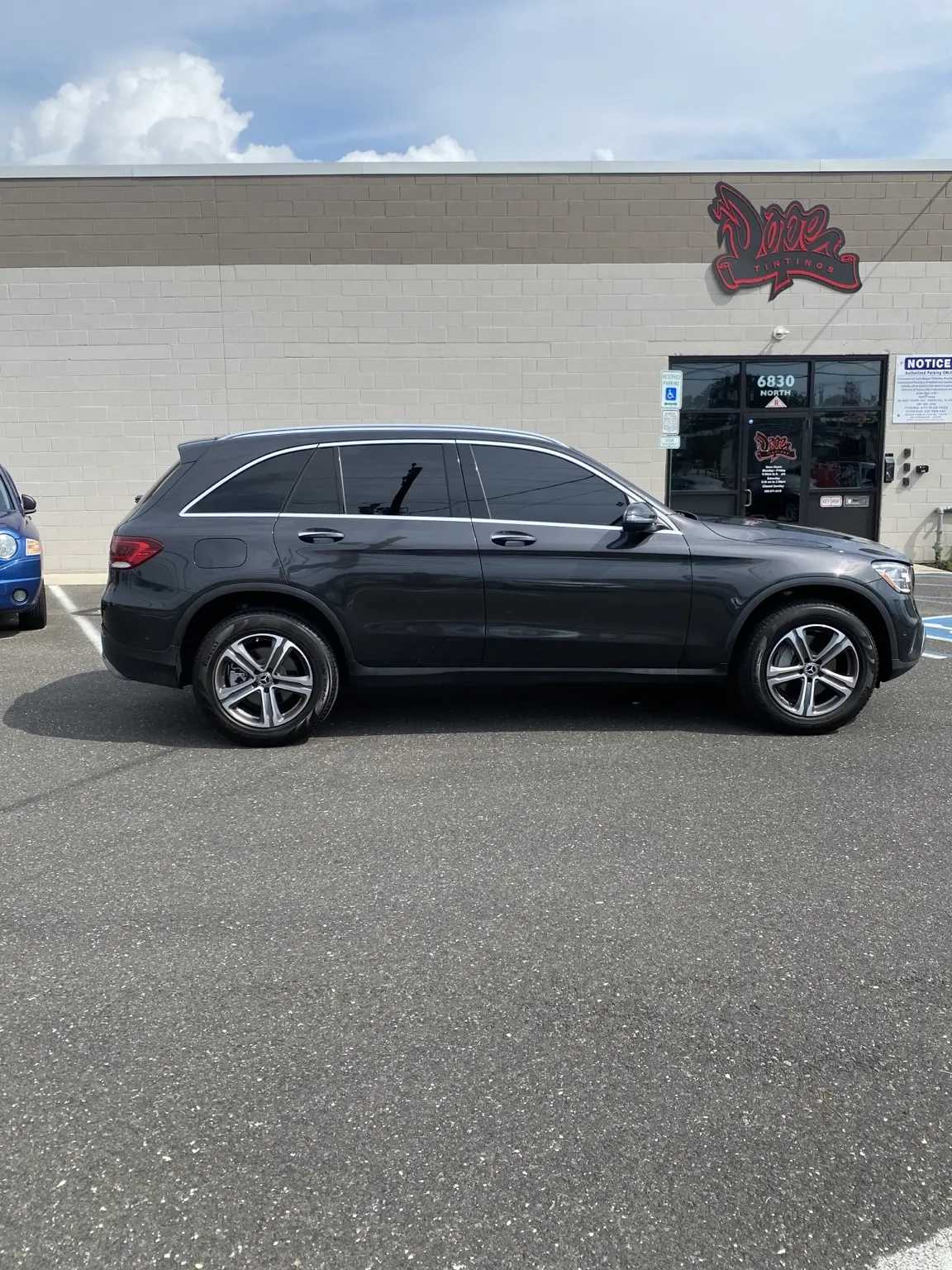
A factory camera or sensor assembly is different from an ordinary removable dash cam.
Some vehicles have factory camera systems positioned near the rearview mirror. These assemblies may support driver-assistance features, recording functions or other vehicle systems.
At Dope Tintings, we generally cut the windshield film around a factory camera or enclosed sensor assembly instead of dismantling equipment that was not designed to be removed during a tint installation.
This approach helps avoid disturbing sensitive factory equipment. The exact film pattern depends on the vehicle and the size, shape and position of the camera housing.
Customers should not assume that a factory camera and an aftermarket suction-cup dash camera will be handled the same way.
Does Rear Window Tint Affect a Rear Dash Cam?
A rear-facing camera can record through tinted rear glass, but dark film may reduce the light available to the camera at night.
In our experience, customers have not contacted us to report that rear window tint stopped their rear cameras from working properly. Nevertheless, the finished footage depends on several factors:
- The darkness of the aftermarket film
- Existing factory privacy glass
- Camera sensor quality
- HDR or low-light capability
- Camera exposure settings
- Street and parking-lot lighting
- Reflections from inside the vehicle
- Cleanliness of the rear glass
- Whether the camera uses a CPL filter
An SUV may already have dark factory privacy glass. Adding aftermarket film over that glass can produce a darker finished appearance than applying the same film to clear glass.
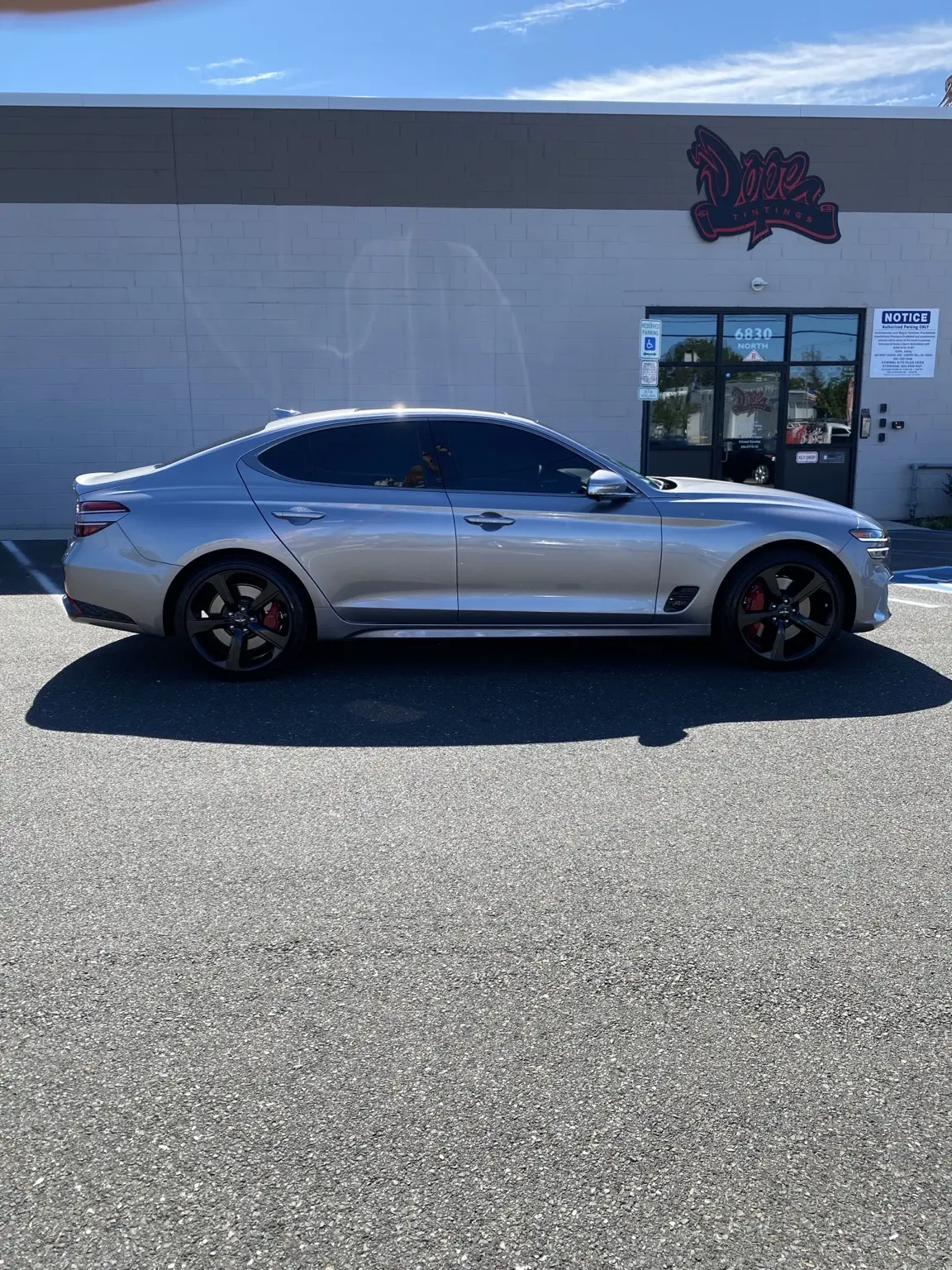
That combined darkness may be more noticeable to a rear camera at night. Some dash-camera systems allow the rear-camera brightness or exposure to be adjusted. Customers should review their camera manual and inspect sample footage after tinting.
Will Tint Interfere With a Dash Cam’s GPS or Wi-Fi?
Nonmetallic automotive window film should not normally interfere with a dash camera’s internal GPS, Wi-Fi connection or memory card simply because the glass is tinted.
Recording visibility and electronic connectivity are separate questions. Dark film may affect the image by reducing visible light, while signal performance depends on the materials used in the film and the camera’s design.
Customers concerned about electronic signals can read our guide explaining whether Ceramic tint affects GPS, cell service or Bluetooth.
How Should You Test a Dash Cam After Tinting?
Customers should not judge camera performance from a brief daytime preview alone.
Review footage recorded under the conditions in which the vehicle is normally driven:
- Bright daytime sunlight
- Cloudy or shaded conditions
- Well-lit streets at night
- Dark residential or rural roads
- Rain or wet pavement
- Parking mode, if the camera includes it
Check whether the footage clearly shows road markings, vehicles, pedestrians and other important details.
If nighttime footage appears too dark, review the camera’s exposure, brightness, HDR and night-recording settings. If the camera uses a CPL filter, compare the footage with the manufacturer’s recommended configuration.
The camera manufacturer may provide additional guidance for tinted glass.
Should You Choose a Lighter Windshield Tint for a Dash Cam?
A lighter percentage can be a practical choice when nighttime camera performance is a major priority.
A customer comparing 35% and 50% windshield tint should understand that 50% allows more visible light through. A 70% Ceramic film is another option for customers prioritizing heat rejection and UV protection without wanting a heavily tinted appearance.
The best choice depends on the customer’s goals, regular driving conditions and camera system. Explore our windshield-tinting options in South Jersey to compare the available film packages and percentages.
Final Answer
Window tint usually does not prevent a dash cam from working, and Dope Tintings has not received customer complaints about properly functioning dash cameras failing after tint installation.
However, darker film reduces the visible light reaching the camera. That reduction may become more noticeable in nighttime footage, particularly through very dark windshield film, aftermarket film installed over factory privacy glass or cameras with limited low-light capability.
A CPL filter may reduce daytime reflections, but combining it with dark tint can further reduce the light reaching the camera at night. Customers should review actual daytime and nighttime footage and adjust the camera according to its manufacturer’s recommendations.
Removable windshield cameras must be taken down before windshield tint is installed. Factory camera and sensor assemblies are normally handled differently, with the film cut around the housing when appropriate.
Customers throughout Pennsauken and South Jersey can compare Standard, Carbon and Ceramic options through our professional window-tinting service. After installation, review actual daytime and nighttime recordings to confirm that the camera settings and film percentage work well together.