
What Is the Difference Between Carbon and Ceramic Window Tint?
Carbon and ceramic window tint can look similar, but the biggest difference is heat rejection. Learn which film is worth your money, who actually needs ceramic tint, what carbon-ceramic means, and which option Dope Tintings recommends based on what you want your tint to do.
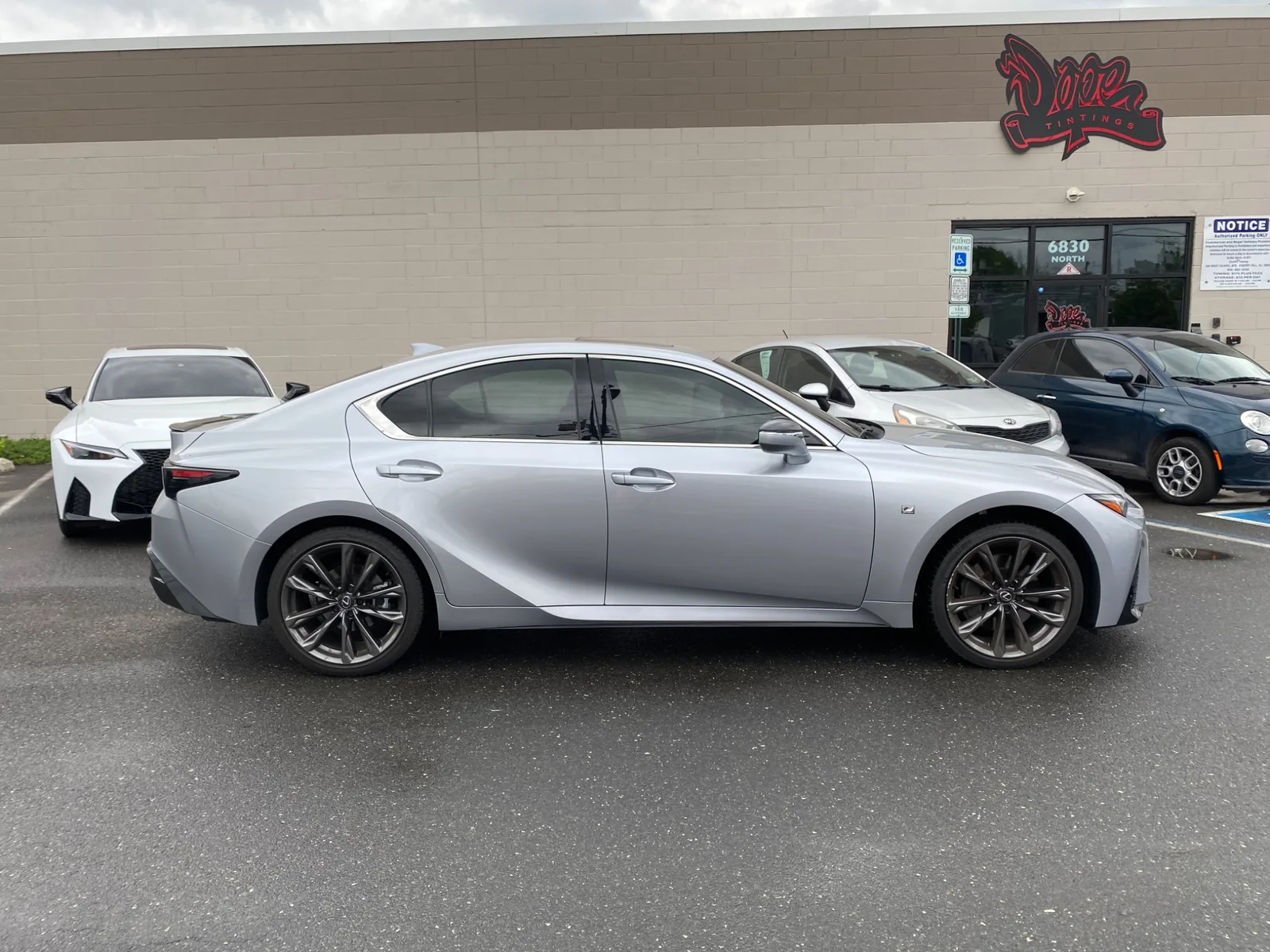
What Is the Difference Between Carbon and Ceramic Window Tint?
The biggest difference between carbon and ceramic window tint is heat rejection. Carbon tint is a great option for drivers who want good heat rejection without paying ceramic prices. Ceramic tint costs more but provides higher heat rejection and makes the most sense for customers whose main goal is maximum heat protection. If you're mainly tinting your car for appearance and don't care about heat, you may not need either one.
That's the simple answer we give customers at Dope Tintings in Pennsauken, NJ.
When somebody asks us:
"Which is better, carbon or ceramic?"
Our first question is usually:
"What do you want the film to do for you?"
That's more important than automatically choosing the most expensive window tint.
If you simply want your windows darker, we'll probably recommend our standard film.
If you want good heat rejection without spending ceramic money, carbon is usually our recommendation.
If maximum heat rejection is your priority and you're willing to tint the windshield and other major glass areas, ceramic becomes much more worthwhile.
After more than 20 years of installing automotive window tint, we've also seen customers spend unnecessary money on ceramic because of things they've heard from friends, TikTok, Instagram or another tint shop.
Let's separate the actual differences from the marketing.
Carbon vs Ceramic Window Tint: Quick Answer
Here's the easiest way we explain the difference at Dope Tintings:
| Film | Best For | Heat Rejection | Our Recommendation |
|---|---|---|---|
| Standard | Appearance/privacy | Minimum | Choose it if heat isn't important |
| Carbon | Good heat rejection + value | Good | Our sweet spot for most heat-conscious customers |
| Ceramic | Maximum heat rejection | Highest | Choose it when heat is the priority |
Carbon and ceramic are both professional automotive window films.
Ceramic isn't automatically "better" at everything.
Its major advantage is higher heat rejection.
That distinction matters because a customer who only wants darker windows doesn't necessarily receive additional value by paying hundreds of dollars more for a high-heat-rejection film.
What Is Carbon Window Tint?
Carbon window tint uses carbon-based technology to improve solar performance compared with a basic or standard film.
At Dope Tintings, we consider carbon the next step up from our standard film.
Our standard film is primarily for customers who want the appearance and privacy of window tint and aren't particularly concerned about heat rejection.
Carbon is where we start recommending an upgrade when the customer says:
"Yes, heat matters to me."
Carbon provides good heat rejection while still being considerably more affordable than our ceramic option.
That's why carbon is one of our most popular packages.
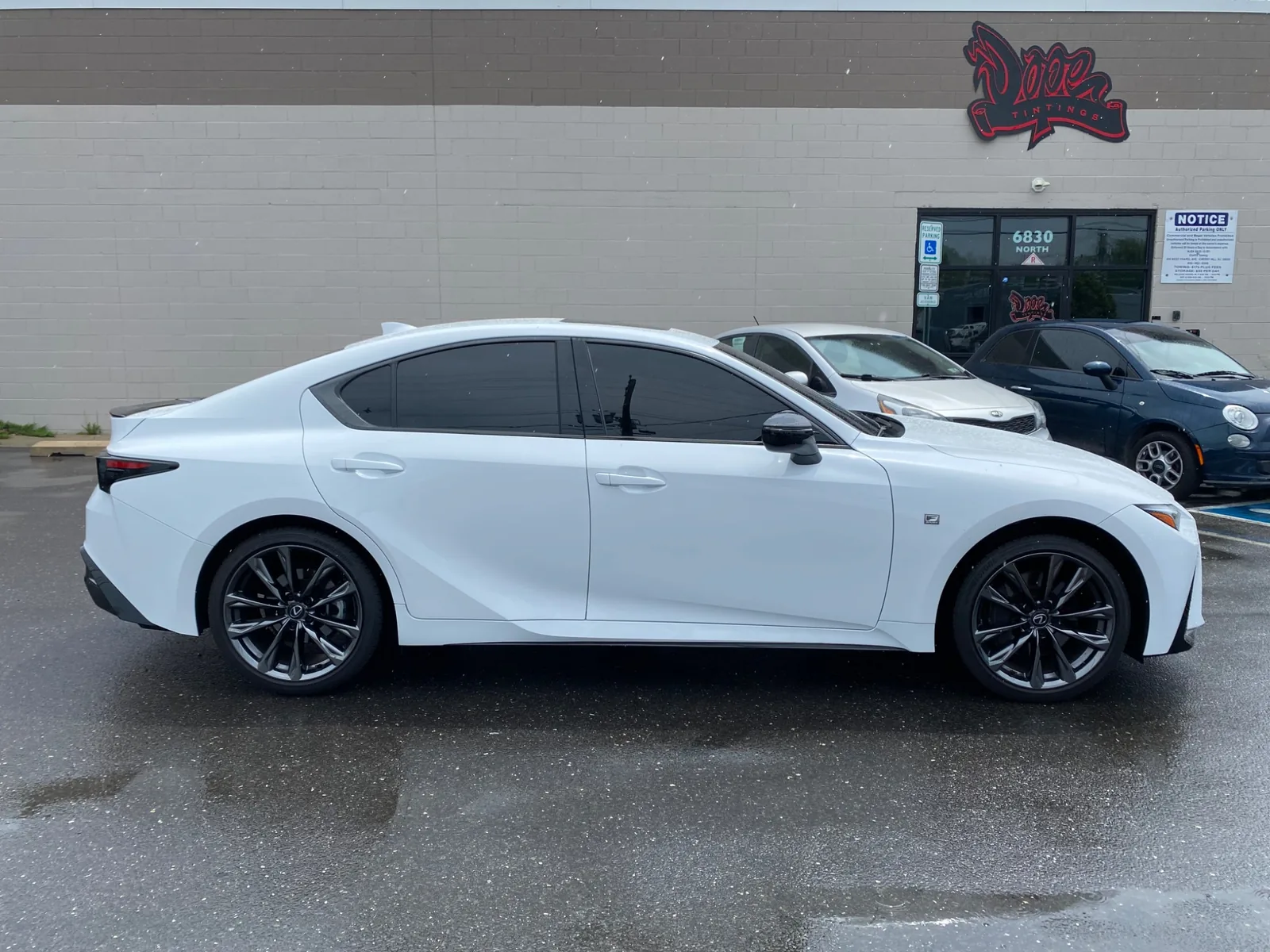
What Does Carbon Window Tint Do?
The primary reason we recommend carbon is heat rejection.
It can help reduce the amount of solar heat entering through the treated glass, which can improve passenger comfort and reduce some of the solar load your vehicle's climate-control system has to deal with.
It also provides the normal benefits customers expect from quality automotive window tint, including:
- Privacy
- Glare reduction
- UV protection
- Interior protection
- A darker appearance depending on VLT
- Improved passenger comfort
For many customers, carbon provides exactly what they're looking for without requiring them to pay for our highest-performing film.
Is Carbon Tint Good for Heat Rejection?
Yes.
Carbon is a good heat-rejection film.
That's one of the biggest reasons we recommend it.
If you tell us:
"I want my car noticeably more comfortable during the summer, but I don't want to spend ceramic money,"
you're describing our ideal carbon customer.
You don't automatically need ceramic just because heat matters to you.
There are different levels of heat performance.
Carbon gives customers a strong middle option between basic film and premium ceramic.
What Is Ceramic Window Tint?
Ceramic window tint is a higher heat-rejection film that uses ceramic-based technology to reduce solar and infrared heat entering through treated automotive glass.
Depending on the manufacturer and specific film line, premium ceramic films can provide substantially higher infrared rejection than lower-tier films.
That's what customers should primarily be paying for when they upgrade to ceramic:
Heat performance.
Not magic visibility.
Not magically darker windows.
Not a vehicle that never gets hot.
Higher heat rejection.
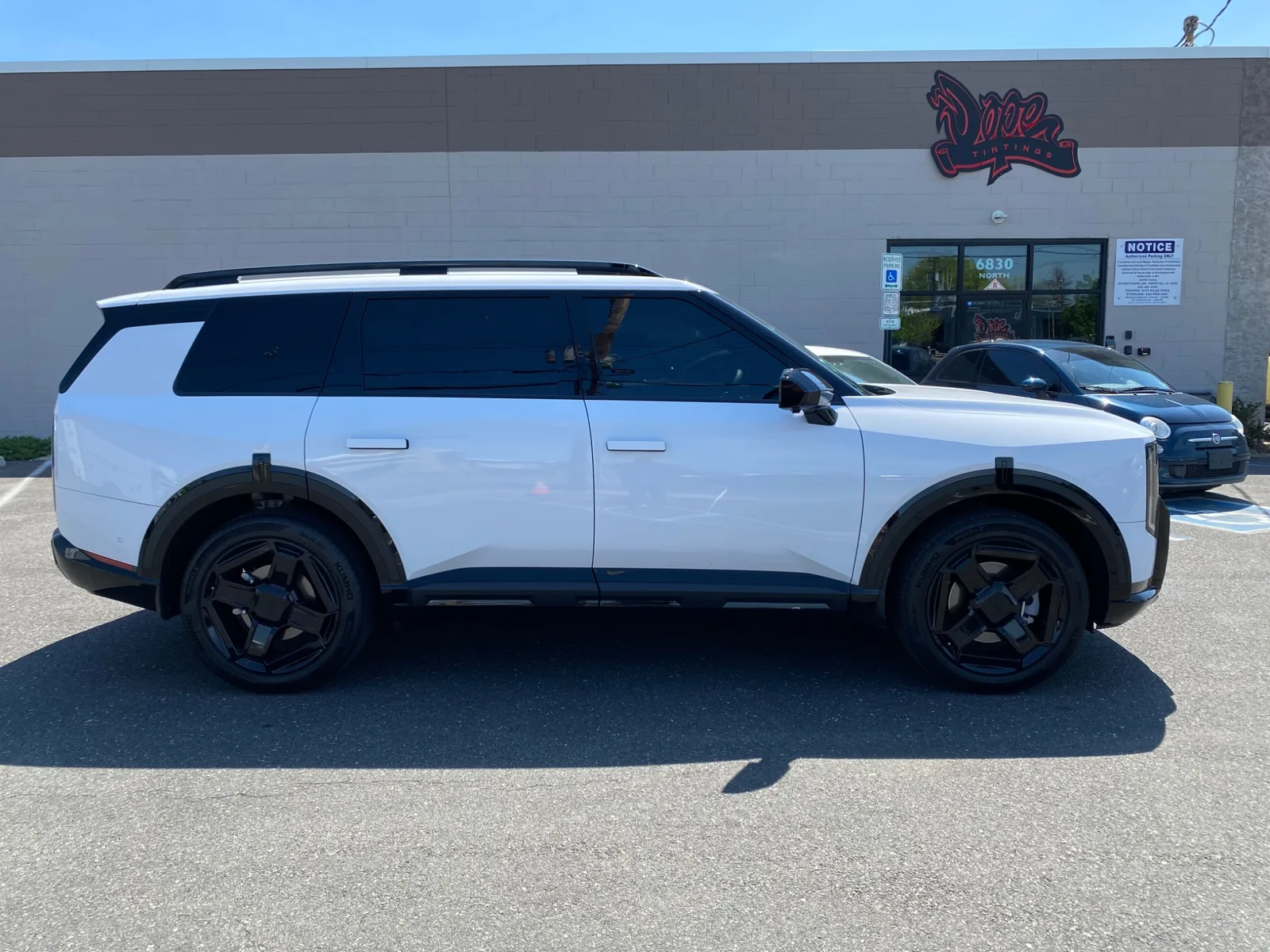
What Does Ceramic Tint Do Better Than Carbon?
The biggest advantage ceramic has over carbon is higher heat rejection.
That's why we recommend ceramic differently.
If someone tells us:
"Heat is my biggest problem. I want the maximum heat rejection I can reasonably get,"
now we're talking about a ceramic customer.
This is especially true when that customer is also interested in treating the other major glass areas where solar energy enters the vehicle, including the front windshield and, where applicable, a sunroof or panoramic roof.
How Much Heat Can Ceramic Window Tint Block?
This depends on the exact manufacturer, product line and shade.
That's important because you shouldn't assume every film carrying the word "ceramic" has identical specifications.
Certain premium ceramic films advertise infrared rejection above 90% under specified testing methods.
But that does not mean every ceramic film blocks the same percentage of heat.
Customers should ask:
- What manufacturer makes the film?
- What is the exact film line?
- What are the specifications for the shade being installed?
- How is infrared rejection being measured?
- What is the total solar energy rejection?
Don't buy window tint based solely on a salesperson saying:
"It's ceramic."
Find out what you're actually getting.
Is Ceramic Window Tint Worth the Extra Money?
Yes, ceramic can absolutely be worth the extra money when heat rejection is what you actually want.
That's the key.
When ceramic is used appropriately, the difference becomes especially noticeable during hot summer driving.
Your air conditioner is working to cool the cabin while the window film is reducing solar heat entering through the treated glass.
That combination can make the vehicle considerably more comfortable.
But that doesn't mean ceramic is automatically worth the additional money for every customer.
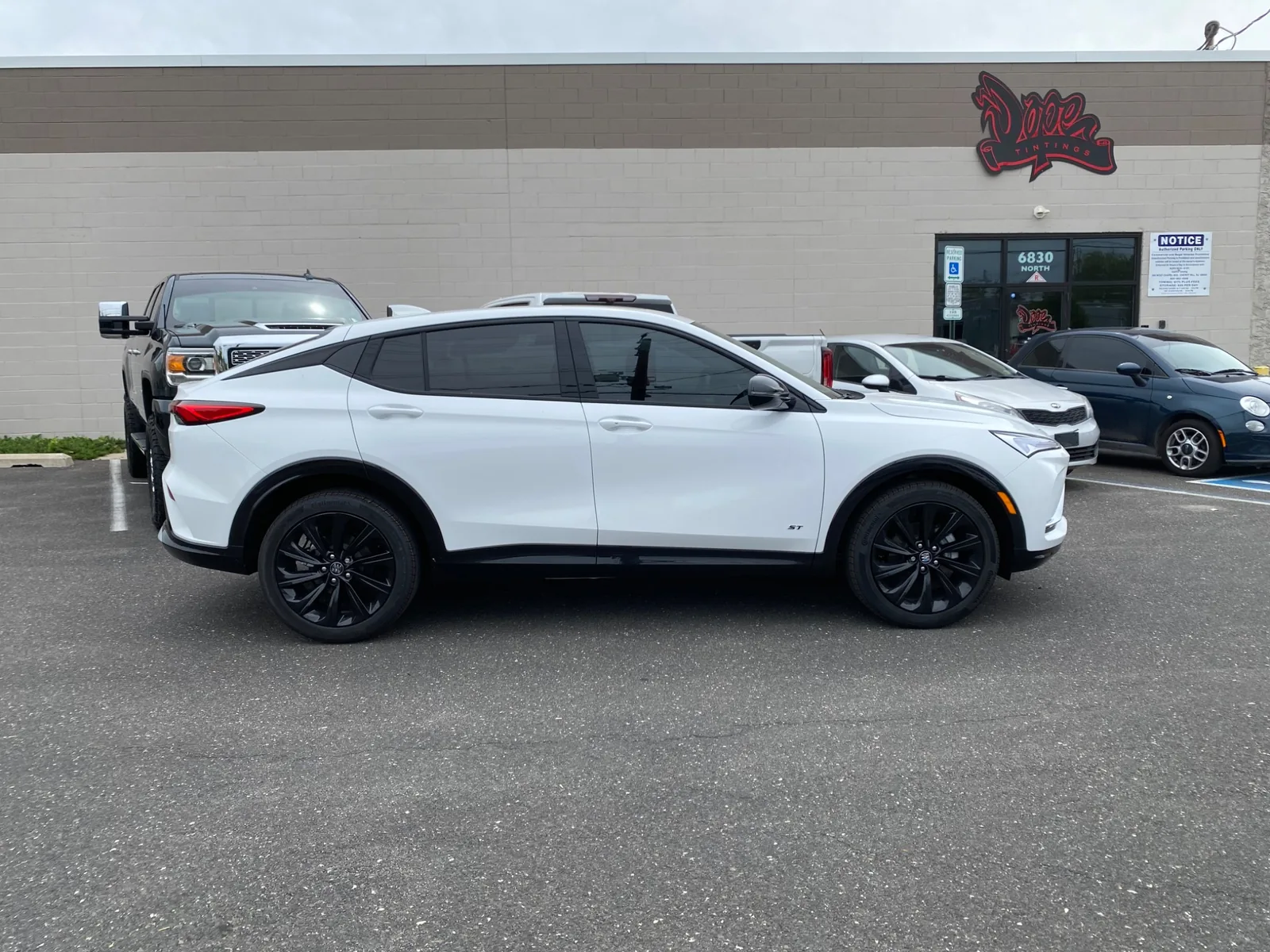
When Is Ceramic Tint NOT Worth the Extra Money?
Suppose you call us and say:
"I just want my windows dark. I don't really care about heat."
We're probably going to tell you:
Save your money.
You don't need ceramic for that.
Our standard film can accomplish the appearance you're looking for.
The same principle applies to customers who want some heat rejection but don't need our highest level.
That's where carbon becomes the better value.
We don't believe in selling customers the most expensive film simply because it's the most expensive film.
The right film depends on the customer's goal.
Should I Get Carbon or Ceramic Tint If I'm on a Budget?
If you're working within a budget but still care about heat rejection, we generally recommend carbon.
For example, suppose you're deciding between spending approximately $325–$350 on carbon for the sides and rear versus spending $425+ on ceramic for those same areas, but you have no intention of tinting the windshield or roof glass.
Our recommendation will often be:
Go carbon and save the money.
Carbon already gives you good heat rejection.
If you're eventually planning a more complete heat-rejection setup that includes additional glass, then ceramic becomes easier to justify.
Should I Tint the Windshield With Ceramic?
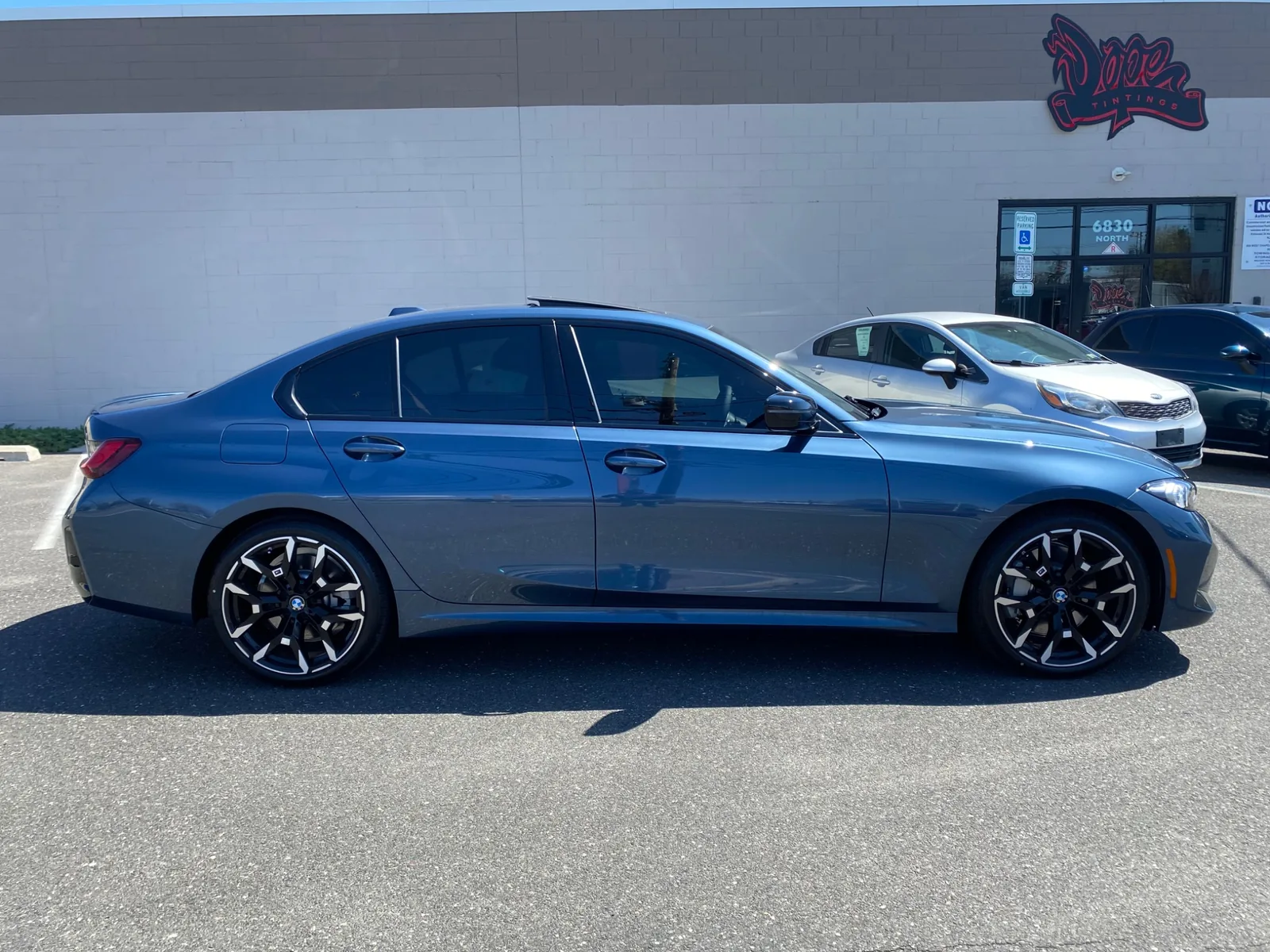
If maximum heat rejection is your reason for purchasing ceramic, the windshield is an important part of the conversation.
Look at the amount of glass in front of you.
Leaving a major glass area untreated while paying for maximum heat-rejection film everywhere else limits how comprehensive your solar-control setup can be.
That's why when somebody asks us about ceramic, one of our questions is:
"Are you planning to do the windshield?"
If the answer is yes, ceramic starts making much more sense for someone chasing maximum heat rejection.
Windshield tinting also involves legal considerations in New Jersey. Before making that decision, read our New Jersey Window Tint Laws: Complete Guide.
For pricing, see How Much Does It Cost to Tint a Car Windshield?.
What About a Sunroof or Panoramic Roof?
The same concept applies.
If your vehicle has a large sunroof or panoramic glass roof and maximum heat rejection is your objective, that glass needs to be part of the conversation.
This doesn't mean every carbon or ceramic customer must tint every piece of glass.
It means customers need realistic expectations.
Treating more of the glass through which solar energy enters the cabin generally provides a more complete heat-rejection setup than treating only some of it.
That's why we ask customers about the whole vehicle before recommending ceramic.
Does Ceramic Tint Keep Your Car Cool While It's Parked?
This is one of the biggest ceramic-tint misconceptions we hear.
Ceramic tint does not mean your vehicle will stay cold after sitting in direct summer sun for hours.
A parked vehicle can still become hot.
Window film reduces solar energy entering through the treated glass, but heat can still accumulate inside a parked vehicle over time.
Where customers often notice the practical benefit is while driving and using the vehicle's climate-control system.
Your A/C is cooling the cabin while the film is reducing part of the solar load entering through the treated windows.
So don't buy ceramic because somebody promised:
"Your car won't be hot when you come back to it."
That's not a realistic expectation.
Does Ceramic Tint Make the A/C Work Better?
A better way to describe it is that reducing solar heat entering through treated glass can reduce the heat load the air conditioner has to overcome.
We've had customers notice that once their vehicle cools down, they don't need the A/C working as aggressively to remain comfortable.
Some describe the cabin as becoming extremely cold once the A/C and ceramic film are working together during summer driving.
That's the type of benefit ceramic customers should be looking for.
Is Ceramic Tint Darker Than Carbon Tint?
Not simply because it's ceramic.
This is another misconception.
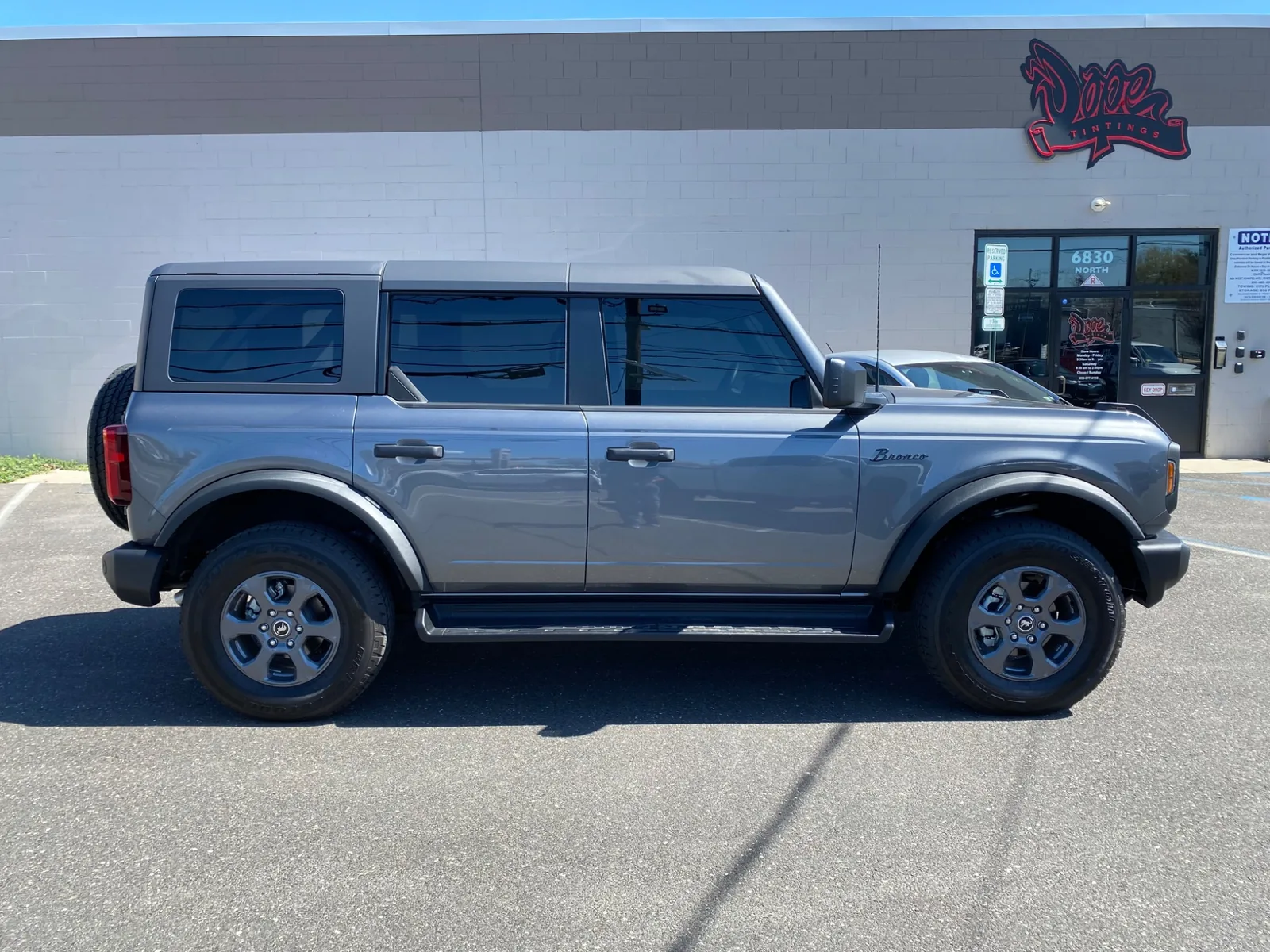
The darkness of automotive window tint is primarily described by its Visible Light Transmission, or VLT.
For example:
- 50% allows more visible light through
- 35% is darker
- 20% is darker still
- 5% is extremely dark
If we're comparing quality professional films at similar VLT levels, don't expect ceramic to magically become much darker merely because the film contains ceramic technology.
Choose your darkness based on the VLT you want.
Choose carbon versus ceramic primarily based on the performance you're trying to achieve.
Does Ceramic Tint Let You See Out Better at Night?
This is probably one of the biggest pieces of misinformation we hear from customers.
People come into our shop saying:
"I want ceramic because I heard you can see out of it clearly at night, but people can't see inside."
That's not a reason to buy ceramic.
Any quality automotive window film can appear darker from outside while allowing an occupant to see outward, depending on lighting conditions.
But extremely dark VLT remains extremely dark.
If you install 5% tint, you're allowing only a very small percentage of visible light through the film.
Putting the word "ceramic" in front of 5% does not turn it into a clear film at night.
We've had customers come to us after choosing extremely dark film elsewhere because they believed social-media claims that ceramic would somehow give them excellent nighttime visibility.
Some ultimately wanted the dark film removed or changed.
Choose your VLT based on the visibility and darkness you're comfortable with.
Don't choose ceramic because somebody on TikTok told you darkness no longer matters.
If Two Cars Have 20% Tint, Will Carbon and Ceramic Look Different?
Suppose we have two identical Honda Accords.
One receives 20% carbon.
The other receives 20% ceramic.
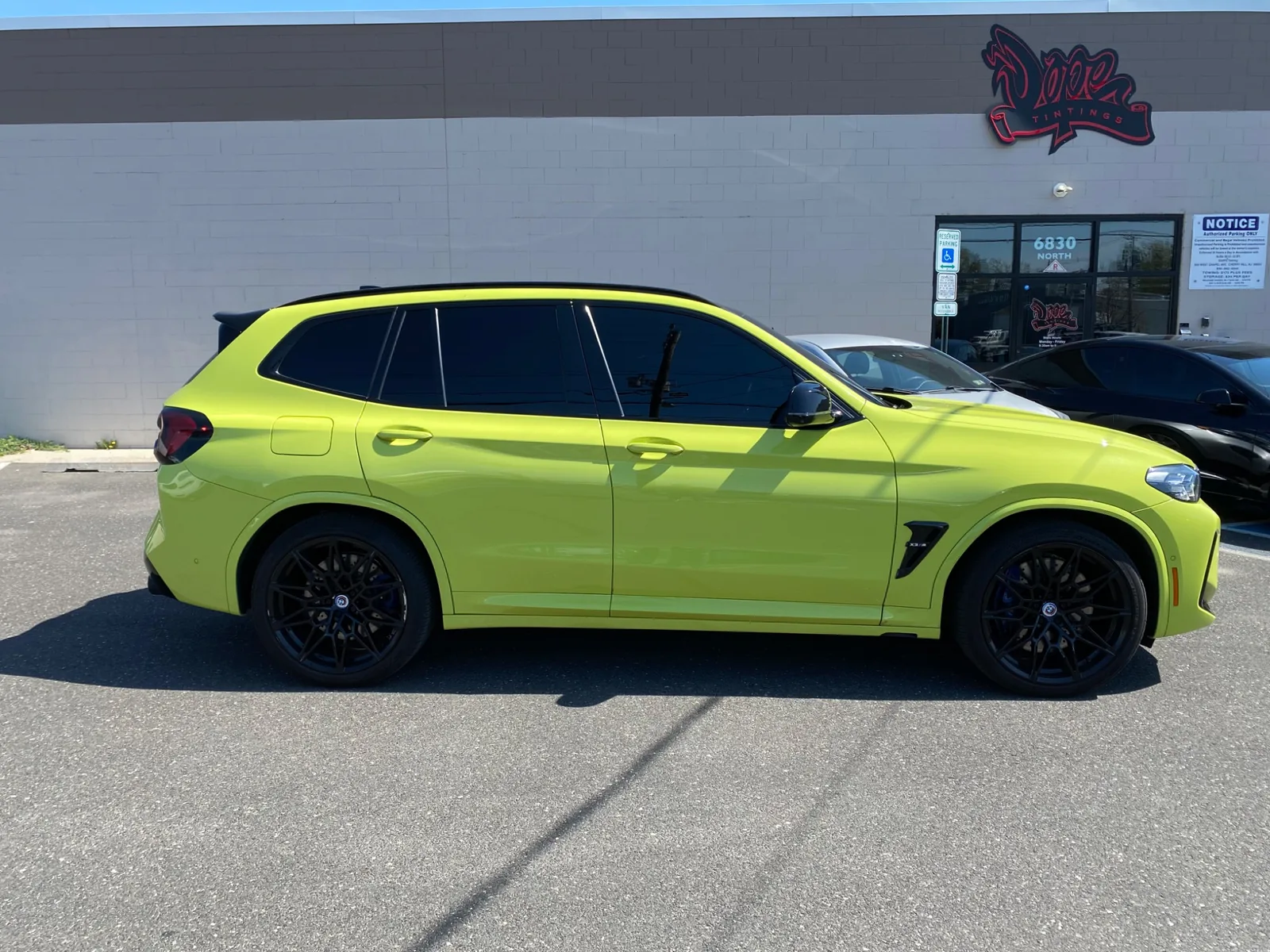
Assuming we're comparing quality professional films with similar appearance and VLT, most customers aren't going to stand there and immediately identify which car has ceramic simply by looking through the windows.
The major performance difference we're selling is heat rejection.
That's why we don't tell customers ceramic is automatically clearer, darker or more attractive.
The customer should be paying for the additional solar performance.
What Is Carbon-Ceramic Window Tint?
This is another area where customers need to be careful with terminology.
Carbon-ceramic generally refers to hybrid film technology combining carbon and ceramic components or technologies.
But the terminology and construction can vary by manufacturer.
That means customers shouldn't automatically assume:
Carbon-ceramic = premium ceramic.
It may be positioned as an intermediate or hybrid product rather than the manufacturer's highest-performing full ceramic line.
The word "ceramic" appearing somewhere in a film's name does not tell you everything about its performance.
Is Carbon-Ceramic the Same as Ceramic Tint?
Not necessarily.
This is why we recommend asking for the exact film rather than relying on the package name a tint shop created.
If somebody tells you:
"This is our lower-level ceramic."
ask:
"What's the manufacturer and exact film line?"
Then look at its specifications.
A carbon-ceramic hybrid may be an excellent film.
The issue isn't whether hybrid technology is good or bad.
The issue is a customer believing they're purchasing one category or performance level when they're actually receiving another.
What Should I Ask a Shop Selling Carbon-Ceramic Tint?
Ask these questions:
- Who manufactures the film?
- What is the exact product line?
- Is it carbon, carbon-ceramic hybrid or ceramic?
- What is its VLT?
- What is its total solar energy rejection?
- What are its infrared-rejection specifications?
- What warranty comes with it?
A professional tint shop should be able to explain what it's selling without relying solely on buzzwords.
Don't pay extra just because somebody put the word "ceramic" in the package name.
Carbon vs Ceramic Tint for Privacy
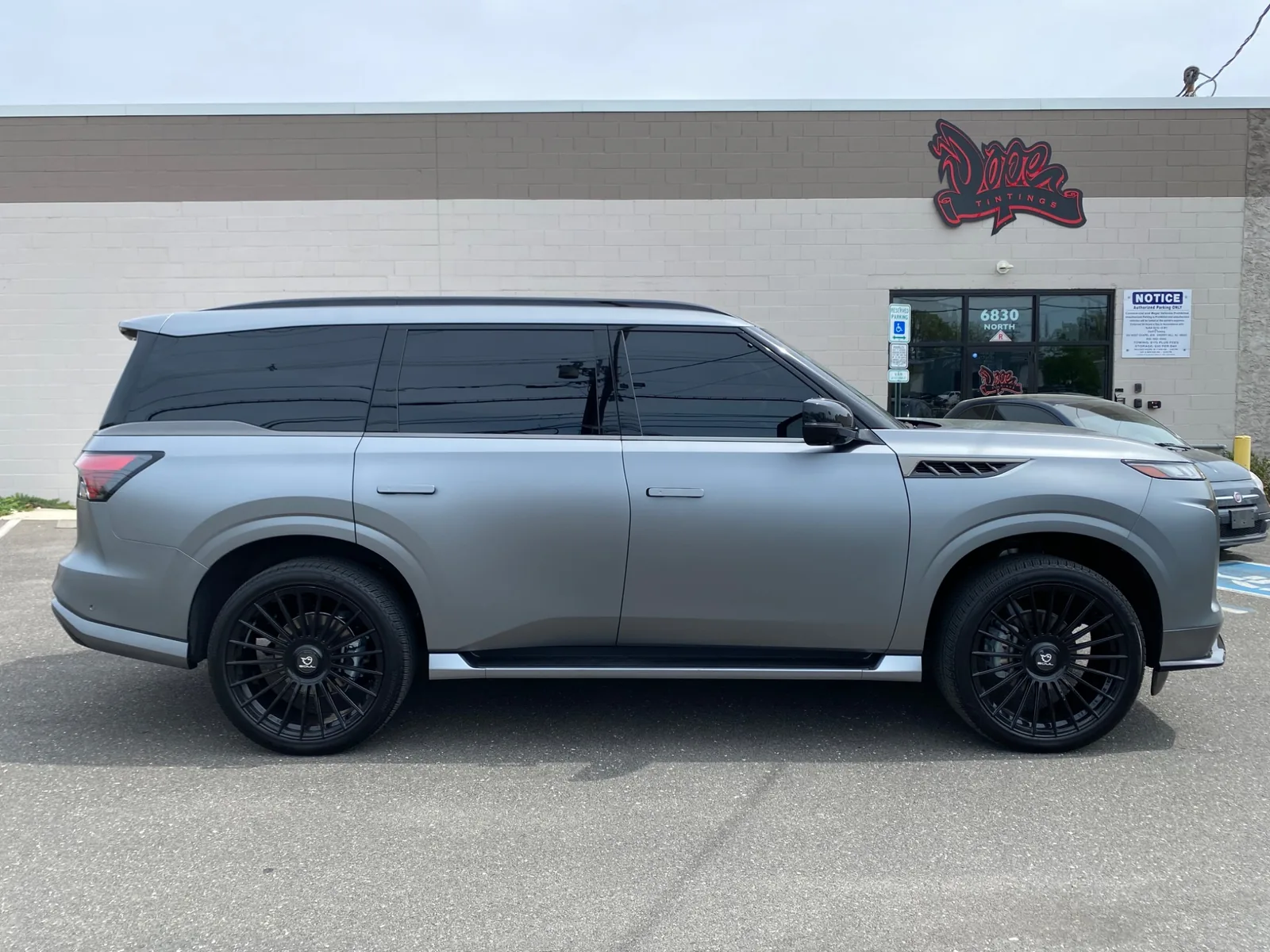
If privacy is your primary goal, you don't necessarily need ceramic.
Privacy is largely influenced by:
- VLT
- Interior lighting
- Exterior lighting
- Time of day
- Vehicle interior
- Amount of glass
If you tell us:
"I want privacy. I want my windows dark. Heat isn't important."
we may recommend standard film and save you money.
Why sell you ceramic when ceramic's primary benefit isn't what you're asking for?
Carbon vs Ceramic Tint for Heat
If heat rejection is your priority, this is where the comparison changes.
Carbon: Good heat rejection and excellent value.
Ceramic: Higher heat rejection for customers seeking maximum performance.
That's the fundamental difference.
For customers who want good heat rejection without ceramic pricing, carbon is one of our favorite recommendations.
For customers who tell us heat is their biggest problem and want to treat the major glass areas of the vehicle, ceramic becomes the stronger option.
Carbon vs Ceramic Tint for Medical Heat Sensitivity
Customers who are particularly sensitive to heat may place much greater value on ceramic's additional heat-rejection performance.
We've had customers who specifically wanted the highest heat protection possible because heat and sunlight were significant concerns for them.
Those customers can be excellent candidates for ceramic.
However, medical window-tint exemptions and legal requirements are separate issues from choosing film technology.
If you're considering tint because of a medical exemption in New Jersey, make sure you understand the applicable state requirements rather than assuming ceramic film itself creates an exemption.
Does Ceramic Tint Block More UV Than Carbon?
This depends on the actual products being compared.
Customers sometimes assume UV protection and heat rejection are the same specification.
They aren't.
Quality films across multiple categories can provide substantial UV protection, while their heat and infrared performance can still differ considerably.
That's another reason we recommend comparing actual manufacturer specifications instead of assuming:
More expensive = automatically better at every measurement.
Ceramic's biggest selling point in our comparison is heat performance.
Does Ceramic Tint Last Longer Than Carbon?
At Dope Tintings, our professional carbon and ceramic packages are both designed as long-term films and carry lifetime warranty options according to the applicable product and warranty terms.
We don't recommend ceramic simply because someone assumes carbon is going to fail quickly.
Proper installation and proper care matter tremendously.
A quality film that is professionally installed and correctly maintained can last for many years.
And any film can develop problems when it's abused, improperly cleaned or poorly installed.
If longevity is one of your biggest concerns, read How Long Does Tint Last on a Car?.
Will Carbon Tint Turn Purple?
Customers often associate purple window tint with cheap or aging film they've seen on older vehicles.
Modern professional carbon films are specifically designed for better color stability than many inexpensive dyed films.
But film quality still matters.
Don't assume every product a shop calls "carbon" is identical.
Ask what film you're actually buying and what warranty backs it.
The same rule applies to ceramic.
Is Ceramic Tint Higher Quality Than Carbon?
This requires an important distinction:
Higher performance in one category does not automatically mean higher installation quality.
Ceramic may provide higher heat rejection.
But putting expensive ceramic film on poorly prepared glass doesn't create a high-quality tint job.
Installation quality still depends on:
- Preparation
- Cleanliness
- Installer experience
- Proper technique
- Film handling
- Edge work
- Quality control
We've seen customers focus so heavily on buying "ceramic" that they forget to ask who is actually installing it.
Film quality matters.
Installation quality matters too.
For more information about what a clean professional installation should look like, read How Much Contamination Is Acceptable in Window Tint?.
What If a Shop Says It Installed Ceramic but Didn't?
This is another reason customers should know exactly what they're purchasing.
We've had situations where customers went elsewhere specifically asking for ceramic and later came to us questioning whether that's actually what they received.
If you're paying a premium for ceramic, you should know:
- Manufacturer
- Film line
- Warranty
- Performance specifications
A receipt that simply says "ceramic tint" doesn't teach you much about the actual product.
Reputable shops should be transparent about the film they're selling.
Standard vs Carbon vs Ceramic: Which One Should You Get?
Here's how we qualify customers at Dope Tintings.
Customer A: "I Just Want My Windows Dark."
We recommend:
Standard film.
If you don't care about heat rejection and primarily want appearance or privacy, there's no reason for us to push you into ceramic.
Save your money.
Customer B: "I Want Good Heat Rejection Without Ceramic Prices."
We recommend:
Carbon film.
This is the ideal carbon customer.
You want better heat performance, but maximum heat rejection isn't worth the additional expense to you.
Carbon is our sweet spot.
Customer C: "Heat Is My Biggest Problem."
You want maximum heat rejection and you're willing to consider treating the windshield, sunroof or panoramic roof along with the side and rear glass.
We recommend:
Ceramic film.
That's the customer who can actually take advantage of what they're paying extra to receive.
Which Film Do Most Dope Tintings Customers Choose?
For everyday customers, standard and carbon are two of our most commonly selected options.
That makes sense.
Not everyone needs maximum heat rejection.
A customer who wants appearance can choose standard.
A customer who wants good heat performance can step up to carbon.
Ceramic becomes the premium option for the customer specifically looking for maximum heat performance.
What Is the Best Value: Carbon or Ceramic Tint?
For many customers, carbon is the best value for the money.
It gives you meaningful heat rejection without requiring the price jump to ceramic.
But "best value" depends on what you value.
If maximum heat rejection is your number-one priority, spending more for ceramic may provide better value for you.
If you couldn't care less about heat, even carbon may be unnecessary.
That's why we don't start the conversation with price.
We start with:
What do you want the film to do?
How Much Does Ceramic Window Tint Cost in New Jersey?
At Dope Tintings, ceramic pricing depends on the vehicle and windows being tinted.
Our ceramic packages for qualifying two-door coupes and four-door sedans have started around $424.99 for the sides and rear, with larger, more complex or luxury vehicles costing more.
Windshields, sunroofs and panoramic roofs are additional.
Rather than repeat all of those pricing details here, we've built a complete guide explaining what affects the price.
Read How Much Does Ceramic Window Tint Cost in New Jersey?.
For a broader comparison across different film levels, see How Much Does Window Tinting Cost in South Jersey?.
Does Carbon or Ceramic Tint Take Longer to Install?
Film category isn't necessarily the biggest factor controlling installation time.
The vehicle itself, amount of glass, windshield, panoramic roof, preparation and installation complexity can have a greater effect.
A ceramic sides-and-rear installation doesn't automatically take dramatically longer simply because the film is ceramic.
But a customer doing ceramic on:
Sides + rear + windshield + panoramic roof
should expect more installation time than someone tinting only four side windows.
For actual vehicle-specific time estimates, read How Long Does It Take to Tint a Car? Complete Time Guide.
Does Carbon or Ceramic Tint Cure Faster?
Customers should expect both professionally installed carbon and ceramic window film to go through a normal curing process.
Curing time is heavily affected by temperature and weather.
At our Pennsauken shop, we've seen curing take roughly:
- Hot summer: about 1–1½ weeks
- Spring/fall: about 1–2 weeks
- Cold weather: about 2–3 weeks
- Freezing weather: about 1–1½ months
We've explained the entire process in How Long Does Window Tint Take to Cure? Complete Guide.
Carbon vs Ceramic Window Tint in New Jersey
South Jersey has both hot summers and freezing winters.
That makes heat rejection valuable to many drivers, but it doesn't mean every New Jersey driver needs the most expensive ceramic film available.
At Dope Tintings, we help customers choose based on:
- Vehicle
- Windows being tinted
- Desired darkness
- Heat-rejection goals
- Whether the windshield will be tinted
- Whether the vehicle has a sunroof or panoramic roof
- Budget
We're not going to recommend ceramic just because it's our more expensive option.
We want the package to match the reason you're buying window tint.
Frequently Asked Questions About Carbon vs Ceramic Window Tint
What is the main difference between carbon and ceramic window tint?
The biggest practical difference is heat rejection. Carbon provides good heat rejection at a lower price, while ceramic provides higher heat rejection for customers seeking maximum solar performance.
Is ceramic tint better than carbon?
Ceramic is better specifically for maximum heat rejection. That doesn't automatically make it the better purchase for every customer. If you only want darker windows, you may not need ceramic.
Is carbon tint worth it?
Yes, especially for customers who want good heat rejection without paying for ceramic. At Dope Tintings, carbon is one of our favorite value recommendations.
Is ceramic tint worth the extra money?
Ceramic can be worth the additional money when maximum heat rejection is your priority. It makes even more sense when you're considering treating the major glass areas of the vehicle rather than only a few windows.
Is ceramic tint darker than carbon?
Not simply because it's ceramic. Window-tint darkness is primarily determined by Visible Light Transmission (VLT). Compare similar VLT levels when comparing appearance.
Can you see out of ceramic tint better at night?
Ceramic doesn't magically make extremely dark tint easy to see through at night. VLT still matters. A very dark film remains a very dark film regardless of whether it's carbon or ceramic.
Does ceramic tint look different from carbon?
Quality carbon and ceramic films at similar VLT levels can have very similar appearances. The primary reason to upgrade to ceramic should be its additional heat performance, not an expectation that it will look dramatically different.
Does ceramic tint keep a parked car cool?
Ceramic film can reduce solar heat entering through treated glass, but a vehicle sitting in direct sunlight can still become hot. Don't expect ceramic to keep a parked vehicle cold indefinitely.
Does ceramic tint help your air conditioning?
Reducing solar heat entering through treated glass can reduce the heat load the climate-control system has to overcome. This can help the cabin cool and maintain a comfortable temperature more effectively during hot weather.
What is carbon-ceramic window tint?
Carbon-ceramic generally refers to hybrid technology incorporating carbon and ceramic components. Construction and performance vary by manufacturer, so don't automatically assume carbon-ceramic provides the same performance as a premium ceramic line.
Is carbon-ceramic the same as ceramic tint?
Not necessarily. Ask for the exact manufacturer, product line and performance specifications rather than relying only on the word "ceramic" in a package name.
Does ceramic tint last longer than carbon?
Both quality professional carbon and ceramic films can provide long service lives when properly installed and maintained. We don't recommend ceramic solely because someone assumes carbon won't last.
Should I get carbon or ceramic tint?
If you want good heat rejection at a lower price, choose carbon. If you want maximum heat rejection and are willing to pay for the additional performance, ceramic is the better option. If you don't care about heat, you may be better served by standard film.
Is ceramic tint worth it without tinting the windshield?
It can still provide heat rejection through the windows where it's installed, but if maximum whole-cabin heat rejection is your goal, leaving major glass areas untreated limits the overall solar-control setup. At Dope Tintings, we'd often recommend carbon for a budget-conscious customer who isn't planning to treat the windshield or roof glass.
Final Answer: Carbon vs Ceramic Window Tint — Which Is Better?
Ceramic window tint provides higher heat rejection, but carbon is often the better value for customers who want good heat protection without paying ceramic prices.
The right choice depends on what you want your window tint to accomplish.
If you tell us:
"I just want my windows dark."
We'll likely recommend standard film.
If you tell us:
"I want good heat rejection, but I don't want to spend ceramic money."
We'll recommend carbon.
If you tell us:
"Heat is my biggest problem. I want maximum heat rejection, and I'm willing to treat the major glass areas of my vehicle."
Now you're an ideal ceramic customer.
Don't buy ceramic because TikTok told you it's darker.
Don't buy ceramic because somebody told you 5% suddenly becomes easy to see through at night.
And don't buy something called "carbon-ceramic" without asking what film you're actually receiving.
Choose quality first. Then choose the film based on what you want it to do. Then consider your budget.
That's how we recommend customers shop for window tint.
Dope Tintings
6830 N Crescent Blvd
Pennsauken, NJ 08110
Call now for a window tint quote: 856-577-4119
Have your year, make and model ready and tell us what you want the tint to do for you. We'll help you determine whether standard, carbon or ceramic makes the most sense for your vehicle and budget.