
Can You See Through Ceramic Tint Better? Day & Night Visibility Explained
Can you see through ceramic tint better, especially at night? Learn why ceramic tint does not magically improve visibility, how VLT affects what you can see, and why 5% ceramic is still extremely dark.
Can You See Through Ceramic Tint Better? Day & Night Visibility Explained
Yes, you can see through ceramic window tint, but ceramic tint does not automatically let you see through dark windows better at night. The biggest factor affecting visibility is the tint percentage, or VLT, along with lighting conditions and film quality. A quality 5% ceramic film is still 5% tint, which means it allows only about 5% of visible light through. Ceramic's major advantage over lower heat-rejection films is heat performance—not magical nighttime visibility.
At Dope Tintings in Pennsauken, NJ — serving Cherry Hill, Moorestown, Marlton, Haddonfield, Voorhees, Mount Laurel, and all of South Jersey — this is one of the biggest misconceptions we hear about ceramic window tint.
Customers regularly come into our shop saying:
"I want ceramic because I heard you can see out better at night, but people can't see inside."
We've heard customers say they learned this from TikTok, YouTube, Instagram, friends and even other tint shops.
After more than 20 years of installing automotive window tint — and with certifications from the American Cancer Society, the GSA, and the IWFA — our answer is simple:
That's not how it works.
If you're choosing an extremely dark tint because somebody told you ceramic will make it easy to see through at night, you could end up disappointed.
Let's explain what actually happens.
What South Jersey Drivers Ask Us About Ceramic Tint Visibility
At our Pennsauken shop, customers from Cherry Hill, Moorestown, Marlton, and Haddonfield ask us this question constantly. The confusion usually comes from social media videos that make 5% ceramic look crystal clear at night.
Here's the truth: ceramic is a film technology, not a visibility upgrade.
The VLT percentage you choose determines how much light passes through. Ceramic determines how much heat it blocks. Those are two completely separate things.
Can You See Through Ceramic Tint?
Yes. You can see through ceramic window tint.
How easily you can see through it depends heavily on the film's Visible Light Transmission (VLT) and the lighting conditions on each side of the glass.
For example, a lighter ceramic tint allows considerably more visible light through than an extremely dark ceramic tint.
The fact that both films are ceramic doesn't make their visibility identical.
That's why customers need to separate two different characteristics:
Optical clarity is how clean and distortion-free a quality film appears.
VLT determines how much visible light passes through the film.
A professional ceramic film can have excellent optical clarity while still being extremely dark.
Can You See Through Ceramic Tint Better at Night?
Not simply because the film is ceramic.
This is probably the most important answer in this entire article.
If nighttime visibility is important to you, pay attention to the VLT percentage you're choosing.
Ceramic technology does not magically make an extremely dark tint behave like a lighter tint after sunset.
At Dope Tintings, we explain it this way:
5% is 5%.
If the film has approximately 5% VLT, it is allowing only a small percentage of visible light through.
During a bright sunny day, you may be perfectly comfortable seeing through it because there's plenty of available light outside.
Take that same vehicle onto a dark road at night with very little street lighting and the experience can be completely different.
The ceramic technology doesn't suddenly create additional visible light.
Can You See Through Ceramic Tint Better Than Regular Tint?
Customers often assume ceramic must be easier to see through because it costs more.
That's not what you're primarily paying extra for.
If we took three identical vehicles and installed comparable professional films at the same VLT:
- 20% standard tint
- 20% carbon tint
- 20% ceramic tint
we would not tell the customer that ceramic magically transforms 20% into a much lighter-looking film from inside the vehicle.
With quality professional films, all three can have excellent optical clarity.
The primary performance difference between our film categories is heat rejection.
Standard is our basic option with minimum heat rejection.
Carbon is our next step for customers who want good heat rejection.
Ceramic is our higher heat-rejection option.
If you want a complete explanation of those differences, read our Carbon vs. Ceramic Window Tint Guide.
Why Does Ceramic Tint Look So Clear in TikTok and YouTube Videos?
This is where customers can easily be misled.
You've probably seen a video where a vehicle looks almost completely black from outside.
Then the camera moves inside the vehicle and suddenly everything outside looks surprisingly bright.
That doesn't necessarily represent what your eyes will experience while actually driving that vehicle at night.
Modern smartphone cameras automatically adjust to available light.
Depending on the phone and recording mode, the camera can adjust exposure, sensitivity, processing and other settings to make a dark scene appear brighter in the finished video.
That's why using a phone video as proof that:
"You can see perfectly through 5% ceramic at night"
can be misleading.
Your eyes aren't a smartphone camera.
When choosing tint for a vehicle you actually drive, especially at night, make the decision based on real-world visibility rather than how bright somebody's social-media video appears.
Watch: Do You Really Need Ceramic?
We made this video because customers frequently assume ceramic is automatically the right choice simply because it's the premium option.
Watch "Do You Really Need Ceramic?" on YouTube
Ceramic has a legitimate purpose.
Its primary advantage is higher heat rejection.
If you're buying it solely because somebody told you it magically makes dark tint easier to see through, you're buying it for the wrong reason.
Is 5% Ceramic Tint Easier to See Through?
Do not choose 5% ceramic expecting it to provide the nighttime visibility of a lighter tint.
5% is an extremely dark VLT.
During daylight, there's considerably more light outside the vehicle, so seeing outward can feel much easier.
At night, especially on poorly illuminated roads, there is far less available light.
That's where customers can discover just how dark 5% really is.
We've had customers choose very dark ceramic even after we explained this to them.
Some later contacted us because they couldn't see through it at night the way they expected.
We've even had customers question whether we actually installed ceramic because:
"I thought ceramic was supposed to let me see out clearly."
The ceramic wasn't the problem.
The darkness they selected was the problem.
Not sure which shade is right for you? Come in and we'll walk you through it. Our Ceramic Window Tinting in South Jersey starts at $99.99 — same-day appointments available. 📞 (856) 577-4119
Is 5% Ceramic Still 5% Tint?
Yes.
This deserves its own answer because it eliminates so much confusion.
5% ceramic is still approximately 5% VLT.
Ceramic describes the film technology and performance characteristics.
It doesn't erase the VLT.
The same principle applies to carbon and standard film.
If nighttime visibility is a major concern, don't select an extremely dark VLT because somebody convinced you the word ceramic changes what that percentage means.
Can You See Through 20% Ceramic Tint at Night?
20% allows substantially more visible light through than 5%, so it will generally provide better nighttime visibility than an otherwise comparable 5% film.
But lighting still matters.
Driving through a well-lit commercial area is different from driving down an unlit rural road.
Weather matters too.
Rain can make nighttime visibility more challenging.
Your eyesight, vehicle, factory glass and surrounding light sources can also affect what you're comfortable driving with.
That's why we don't tell every customer that one tint percentage is perfect for everyone.
Is 35% Ceramic Easier to See Through at Night?
Generally, a lighter VLT such as 35% allows more visible light through than 20% or 5%, so it can provide better nighttime visibility when other conditions are similar.
Again, ceramic isn't what makes 35% easier to see through than 5%.
The higher VLT is.
This distinction is critical.
If nighttime visibility is your priority, going lighter can make a much larger difference than simply changing from carbon to ceramic while keeping an extremely dark percentage.
Can You See Through Ceramic Tint From the Outside?
Sometimes yes, sometimes no.
Whether somebody can see into a tinted vehicle depends on more than the type of film.
It can depend on:
- VLT
- Exterior lighting
- Interior lighting
- Time of day
- Viewing angle
- Factory glass
- Vehicle interior
- How close the person is to the vehicle
This explains something customers see every day.
During bright daylight, a tinted vehicle may appear very dark from outside while the driver can see outward relatively easily.
At night, turn on the vehicle's interior lights and the situation can reverse dramatically.
Why Can People See Inside My Tinted Car at Night?
Because window tint isn't a magical one-way wall.
Think about the relative amount of light on each side of the glass.
During the day, the outside environment is normally much brighter than the inside of the vehicle.
That can make the interior appear darker when you're standing outside looking in.
At night, if the outside is dark but you turn on your interior lights, the brighter side may now be inside the vehicle.
Someone standing outside may therefore be able to see inside much more easily.
Meanwhile, the bright interior can make it harder for the driver or passengers to see into the darker environment outside.
That's why interior lighting has such a dramatic effect on tinted-window privacy at night.
Does Ceramic Tint Give You One-Way Privacy?
No.
Automotive ceramic tint should not be treated as permanent one-way privacy glass.
The darker side can be more difficult to see into under certain lighting conditions, but change the lighting and the effect can change too.
This applies to standard, carbon and ceramic films.
If privacy is important to you, VLT matters—but understand that no normal automotive tint percentage creates perfect one-way privacy under every possible lighting condition.
Can You See Through Ceramic Tint Easier During the Day?
Usually, seeing through dark tint feels easier during daylight because there's substantially more available light outside.
That's one reason customers sometimes choose an extremely dark shade after seeing it during the daytime and then become surprised by its nighttime performance.
A tint board inside a brightly illuminated shop also doesn't perfectly reproduce every driving situation.
Before choosing a very dark shade, think about where and when you actually drive.
If you're frequently driving at night on poorly lit roads, that should influence your tint decision.
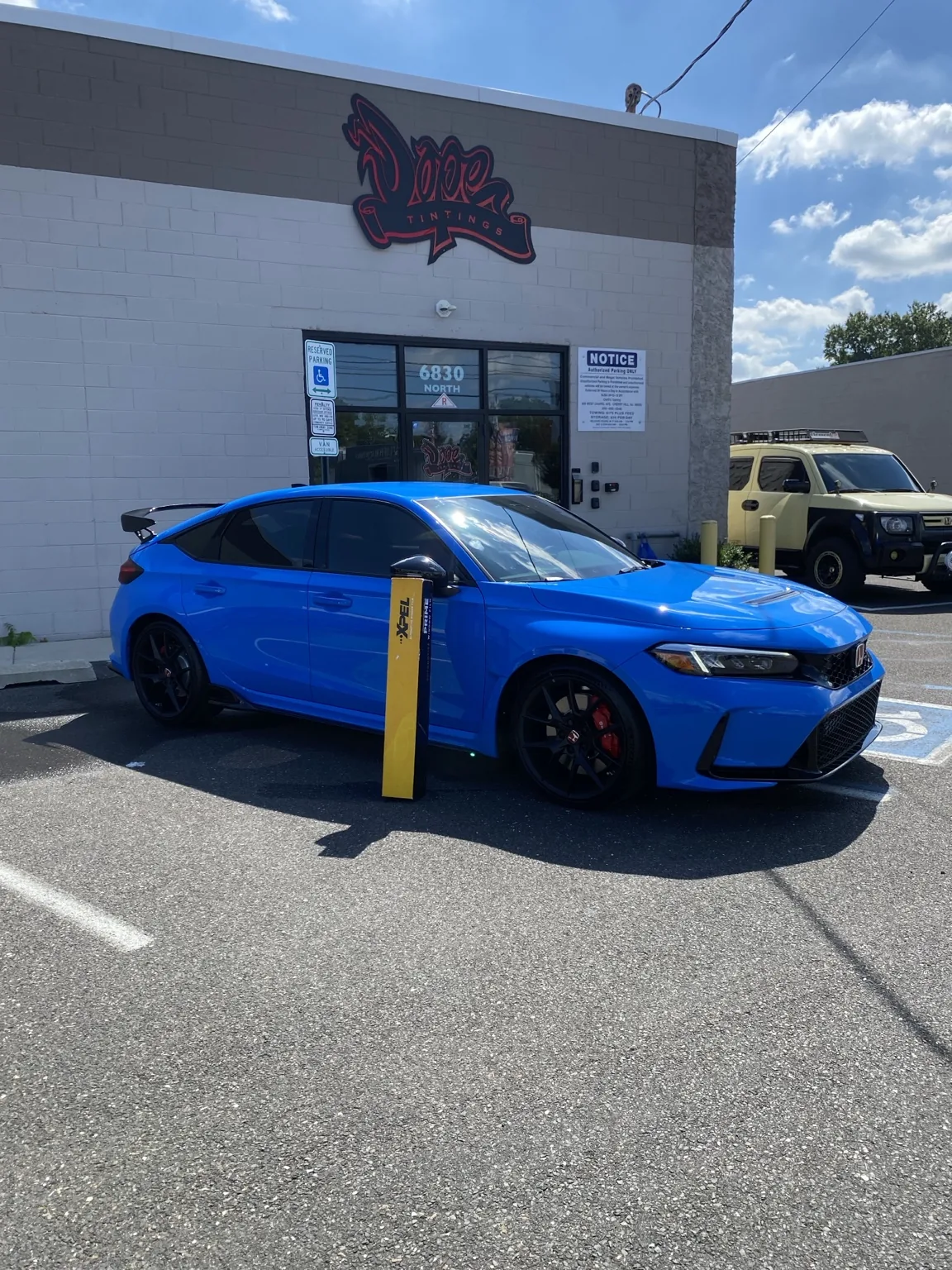
What Happens to Dark Tint on an Unlit Road?
This is where extremely dark tint can become a real visibility problem.
We've had customers with very dark side-window tint and extremely dark windshield tint discover that they could see adequately in areas with streetlights but struggled considerably once they reached roads without adequate lighting.
The problem becomes even worse during certain weather conditions.
That's something a 15-second social-media clip often doesn't demonstrate.
What Happens With Dark Tint During Heavy Rain at Night?
Heavy rain combined with nighttime driving and extremely dark tint can create a particularly difficult visibility situation.
We've had customers choose very dark windshield film, including percentages such as 5% or 15%, and later discover how difficult nighttime visibility could become.
On a dark road during a heavy downpour, visibility can become poor enough that a driver may need to slow substantially or safely pull over.
Some customers eventually returned to have the dark film removed and replaced with something lighter.
That's when we've heard:
"Now I see what you meant."
We would rather explain that before installation than have you learn it afterward.
We also remove and replace tint installed by other shops. If you're stuck with a shade that's too dark or a poor installation, call us at (856) 577-4119 — we handle tint removal and redos every week.
Should You Put 5% Ceramic Tint on the Windshield?
If your reason is:
"Nobody will see inside, but I'll still be able to see perfectly at night because it's ceramic,"
our recommendation is:
Don't do it.
Ceramic does not eliminate the nighttime visibility consequences of extremely dark VLT.
Windshield tint also raises significant legal and safety considerations.
In New Jersey, don't assume that because a tint shop is willing to install a certain windshield percentage that the setup is legal for normal road use.
Read our New Jersey Window Tint Laws: Complete Guide before making that decision.
What Tint Percentage Do We Recommend for Night Driving?
There isn't one percentage that's perfect for every person.
But if you tell us:
"I drive a lot at night and visibility is important to me,"
we're going to have a very different conversation than we would with someone whose only priority is maximum privacy.
Some customers choose 20% on the sides and rear because they want a balance between a darker appearance, privacy and visibility.
Others go lighter.
Some customers still want 5% on the sides and rear and accept the nighttime tradeoff.
Another option customers sometimes request is 20% on the front side windows and 5% on the rear portion of the vehicle.
The important thing is understanding the tradeoff before installation.
What About 1% Window Tint at Night?
1% is even more extreme.
We've installed extremely dark tint for customers who specifically wanted maximum privacy and understood what they were choosing.
But if nighttime visibility is one of your priorities, an extremely low VLT should not be treated casually.
The darker you go, the less visible light you're allowing through.
Again:
Changing from standard to carbon or ceramic does not magically eliminate that reality.
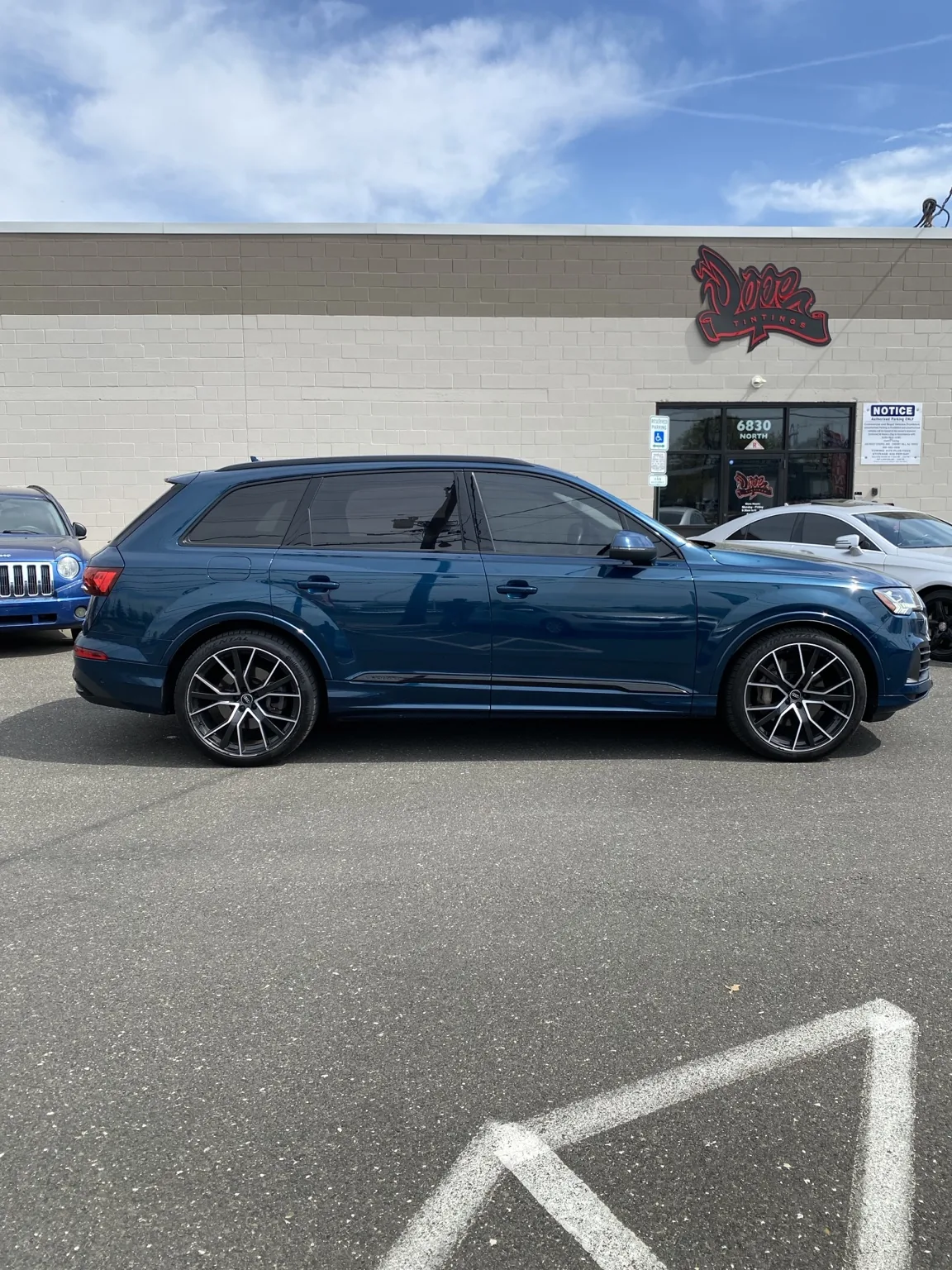
Watch: 2026 Lexus LX600 With Carbon Tint
Carbon is another film customers sometimes misunderstand because ceramic receives so much attention online.
Here's one of our real-world carbon installations:
Watch "2026 Lexus LX600 With Carbon" on YouTube
Carbon is a professional heat-rejection option and can provide excellent film clarity.
We recommend it frequently to customers who want good heat rejection without paying ceramic prices.
The point is important:
Professional film clarity isn't exclusive to ceramic.
Watch: South Jersey Window Tint Shop Explains Standard Tint
Standard film also gets dismissed too quickly because of ceramic marketing.
Here's our explanation:
Watch "South Jersey Window Tint Shop Explains Standard Tint" on YouTube
If a customer mainly wants appearance and privacy and isn't concerned about maximum heat rejection, standard film may be exactly what they need.
We aren't going to tell someone they need ceramic simply because ceramic costs more.
Standard vs Carbon vs Ceramic Visibility
Here's the easiest way to understand the comparison:
| Film Type | Main Reason We Recommend It | Same-VLT Visibility |
|---|---|---|
| Standard | Appearance and privacy | Excellent with quality professional film |
| Carbon | Good heat rejection + value | Excellent with quality professional film |
| Ceramic | Higher heat rejection | Excellent with quality professional film |
If we're comparing professional films of similar quality and the same VLT, don't buy ceramic expecting a dramatic transformation in nighttime visibility.
Choose ceramic for its additional heat performance.
Choose your VLT based on how dark you want the windows and how much visible light you need.
Ready to book? Our Ceramic Window Tinting in South Jersey starts at $99.99 with same-day availability. 📞 (856) 577-4119 | Mon–Fri 9:30am–6pm | Sat 9:30am–4pm
Why Does Ceramic Tint Cost More If It Doesn't Improve Night Visibility?
Because nighttime visibility isn't the primary reason ceramic costs more.
You're paying for its higher solar and heat-rejection performance.
That's a completely different characteristic from VLT.
A customer can choose relatively light ceramic tint and receive substantial heat-rejection benefits without choosing extremely dark windows.
Likewise, someone can choose extremely dark standard or carbon tint primarily for appearance/privacy without purchasing ceramic.
That's why asking "Which tint is best?" isn't enough.
At Dope Tintings, we ask:
What do you want the film to do for you?
Is Ceramic Tint Worth It?
If maximum heat rejection is your priority, ceramic can absolutely be worth the additional cost.
If you're buying ceramic because you think 5% will somehow become easy to see through on an unlit road at midnight, you're buying ceramic for the wrong reason.
We've created a separate guide specifically comparing the two heat-rejection options.
Read What Is the Difference Between Carbon and Ceramic Window Tint?.
You can also read How Much Does Ceramic Window Tint Cost in New Jersey? if price is part of your decision.
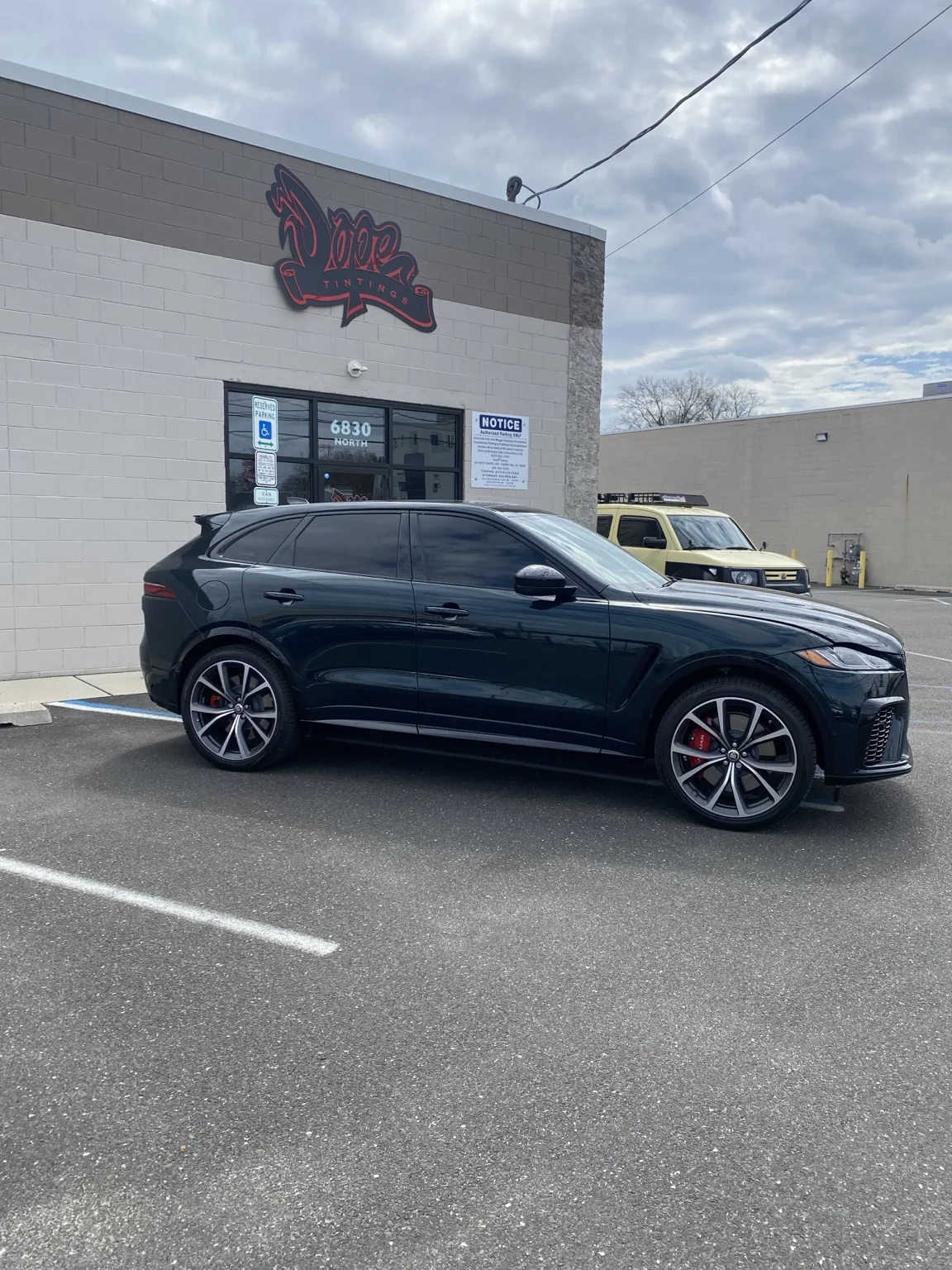
If you're considering Ceramic for your own vehicle, Dope Tintings offers professional Ceramic Window Tinting in South Jersey from our Pennsauken, NJ shop, with options based on your vehicle, heat-rejection goals and preferred tint percentage.
Why Tint Quality Still Matters
None of this means all window films have identical optical quality.
They don't.
We're talking about quality professional films.
Cheap, low-quality or damaged film can have problems with clarity, distortion, fading, bubbling, adhesive failure or contamination.
That's different from saying:
"Ceramic automatically lets you see through 5% better."
Film quality matters.
Installation quality matters.
And VLT matters.
If you're wondering what a clean professional installation should look like, read How Much Contamination Is Acceptable in Window Tint?.
Frequently Asked Questions About Seeing Through Ceramic Tint
Can you see through ceramic tint?
Yes. How easily you can see through ceramic tint depends heavily on its VLT and the surrounding lighting conditions. Ceramic technology itself doesn't make an extremely dark VLT transparent.
Can you see through ceramic tint at night?
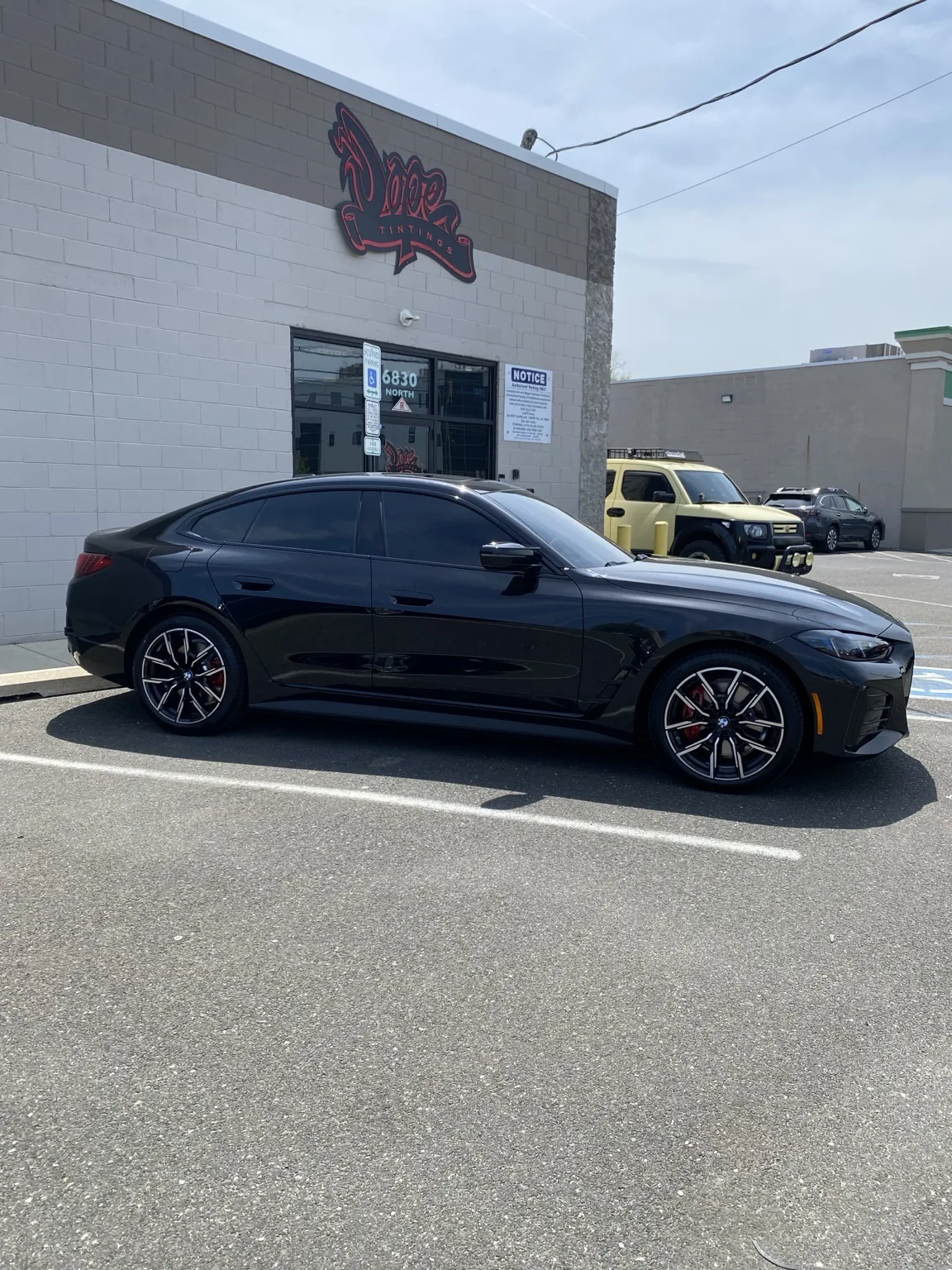
Yes, but darker ceramic tint can be significantly harder to see through at night, especially on poorly illuminated roads. The darker the VLT, the less visible light passes through.
Can you see through ceramic tint better?
Not simply because it's ceramic. Quality ceramic film can have excellent optical clarity, but the VLT still determines how much visible light passes through the film.
Can you see through ceramic tint easier?
A lighter ceramic film will generally be easier to see through than a darker ceramic film. Choosing ceramic instead of carbon or standard at the same VLT does not magically make an extremely dark film easy to see through.
Can you see through ceramic tint better at night?
Don't expect ceramic technology alone to substantially improve visibility through an extremely dark VLT at night. If nighttime visibility is important, choosing an appropriate VLT is more important than simply choosing the word "ceramic."
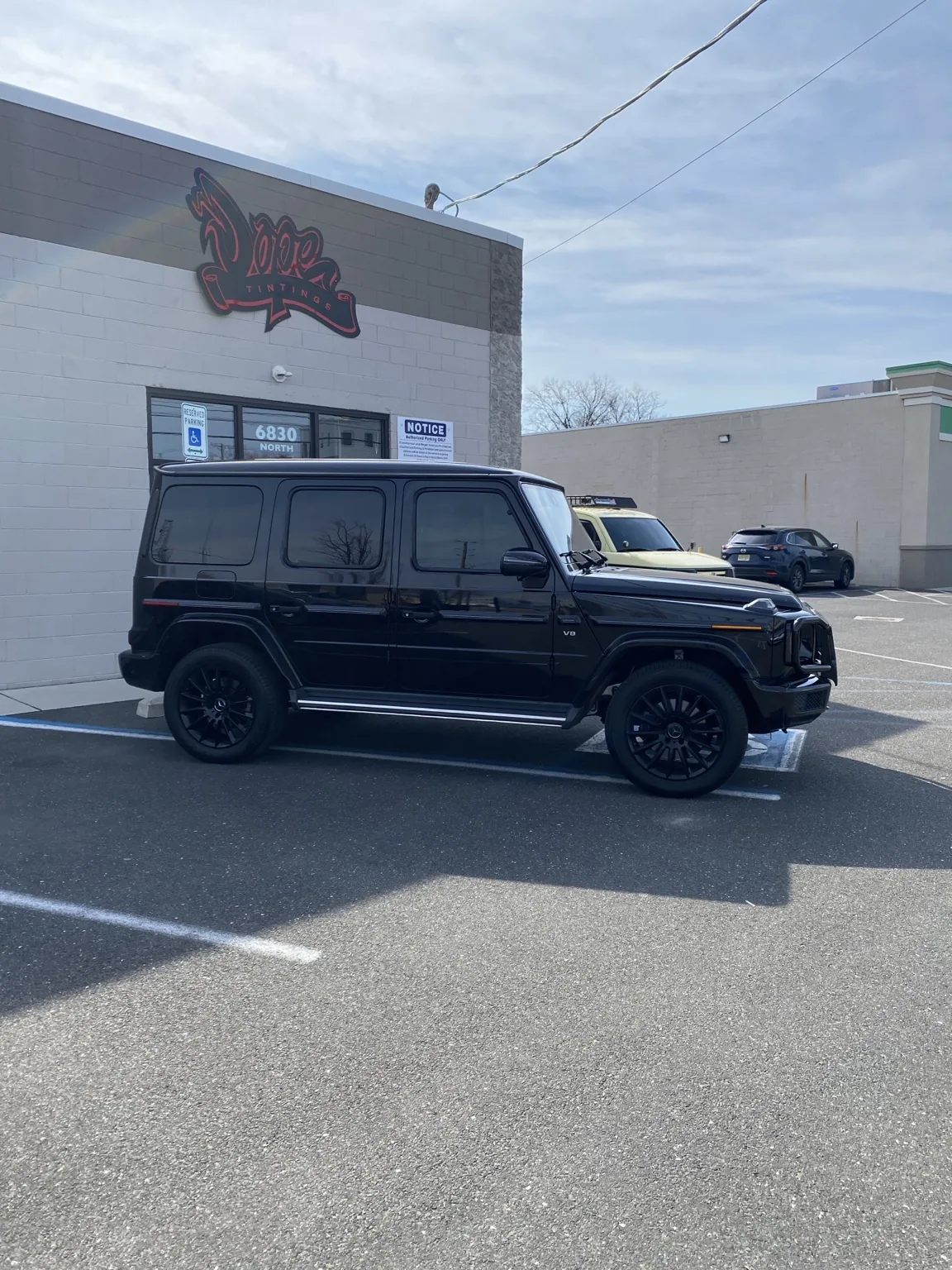
Can you see through ceramic tint better than regular tint?
Quality professional standard, carbon and ceramic films can all provide excellent optical clarity. Ceramic's major advantage is higher heat rejection, not magical nighttime visibility.
Can you see through ceramic tint from the outside?
It depends on VLT and lighting. During bright daylight, a dark interior may be difficult to see from outside. At night, turning on interior lights can make it much easier for someone outside to see into the vehicle.
Can you see through 5% ceramic tint at night?
You can see through it under some conditions, but 5% is extremely dark and can make nighttime visibility difficult, particularly on roads with little ambient lighting. Ceramic does not eliminate that limitation.
Is 20% ceramic tint hard to see through at night?
20% allows substantially more visible light through than 5%, so it generally provides better nighttime visibility than an otherwise comparable 5% film. Actual visibility still depends on lighting, weather, the vehicle and the driver's eyesight.
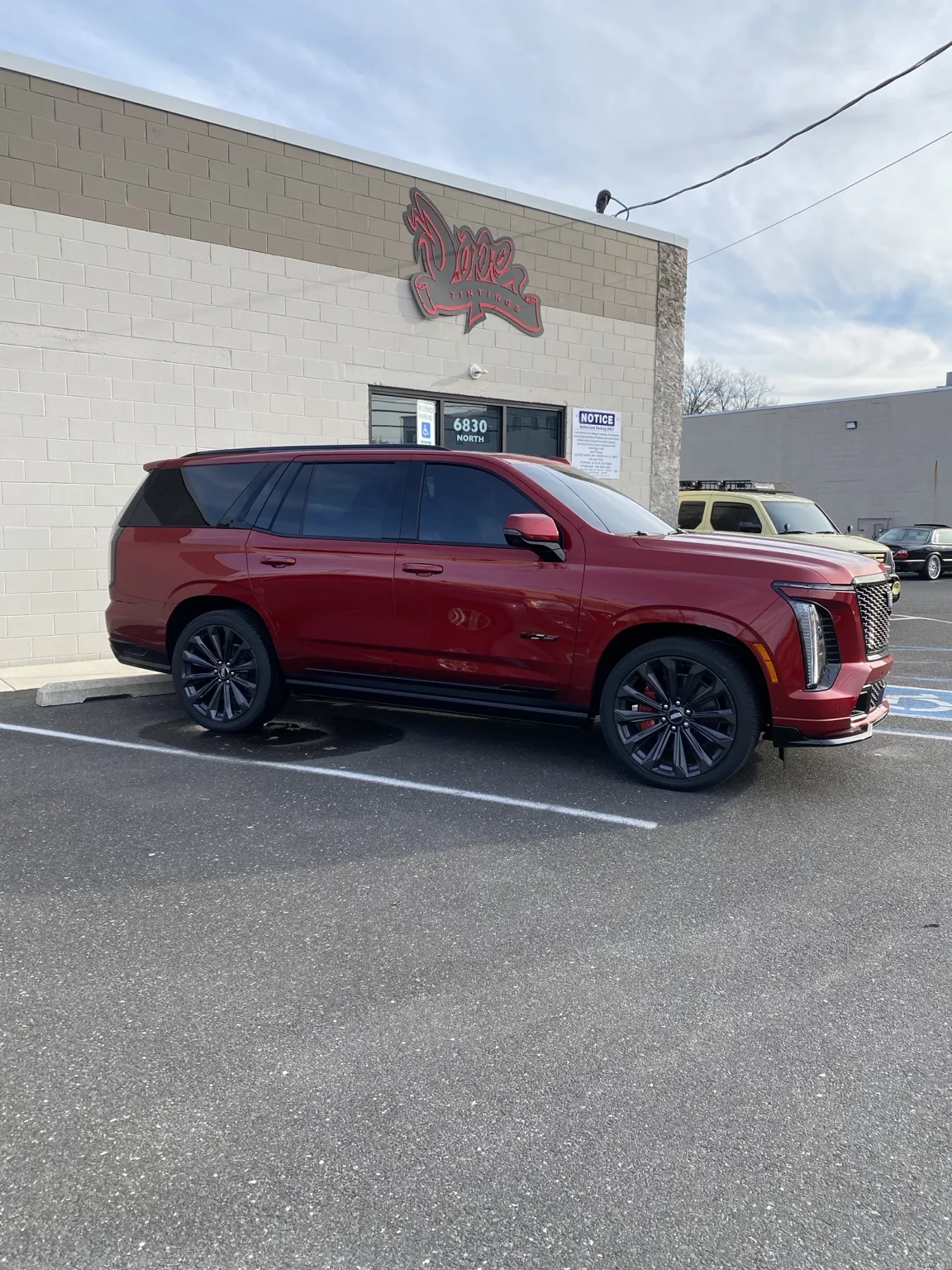
Is 35% ceramic tint easier to see through than 20%?
Generally yes, because 35% VLT allows more visible light through than 20% VLT. That's a VLT difference—not a special property of ceramic.
Is ceramic tint clear from the inside but dark outside?
Tint can appear darker from one side than the other because of differences in lighting, but ceramic isn't permanent one-way glass. Change the lighting conditions and the appearance can change.
Why can people see through my tint at night?
If your vehicle's interior is illuminated while the environment outside is dark, people outside may be able to see inside much more easily. Window tint does not provide perfect one-way privacy under every lighting condition.
Does ceramic tint improve nighttime visibility?
Ceramic should primarily be purchased for its heat-rejection performance. If nighttime visibility is your priority, choosing an appropriate VLT is more important than simply upgrading to ceramic.
Does 5% ceramic look darker than 5% carbon?
Don't assume it will simply because it's ceramic. When comparing professional films with similar VLT and appearance characteristics, the major reason to choose ceramic over carbon should be its additional heat performance.
Final Answer: Can You See Through Ceramic Tint Better?
Ceramic tint does not magically make dark window tint easier to see through at night.
That's the biggest thing we want customers to understand.
Quality ceramic window film can have excellent optical clarity, but clarity and darkness are not the same thing.
If you choose 5%, you're choosing an extremely dark VLT.
If you choose 20%, you're allowing more visible light through.
If you choose 35%, you're allowing even more.
Whether the film is standard, carbon or ceramic does not erase those differences.
Ceramic's major advantage is higher heat rejection.
So before spending extra money because somebody on TikTok told you ceramic is "dark outside and crystal clear inside," ask yourself:
What do I actually want the tint to do?
If you drive frequently at night, tell your installer.
If privacy is your biggest priority, tell your installer.
If maximum heat rejection is your biggest priority, tell your installer.
Those answers should determine the film and VLT you choose—not a social-media video recorded with a camera automatically compensating for low light.
Ready To Get It Done Right?
South Jersey drivers from Cherry Hill, Moorestown, Marlton, Haddonfield, Voorhees, and Pennsauken trust Dope Tintings because we take the time to explain the tradeoffs before we ever touch your vehicle.
View Our Ceramic Window Tinting Options →
Starting at $99.99 — same-day appointments available.
📞 (856) 577-4119)
📍 Dope Tintings | 6830 N Crescent Blvd, Pennsauken, NJ 08110
🕐 Mon–Fri 9:30am–6pm | Sat 9:30am–4pm