Can You Remove Window Tint Yourself? DIY vs. Professional Removal
Can you remove window tint yourself? Sometimes, yes. Dope Tintings explains when DIY tint removal makes sense, why leftover adhesive causes problems, how glass and defroster lines get damaged, and when professional removal is the better choice.
Can You Remove Window Tint Yourself? DIY vs. Professional Removal
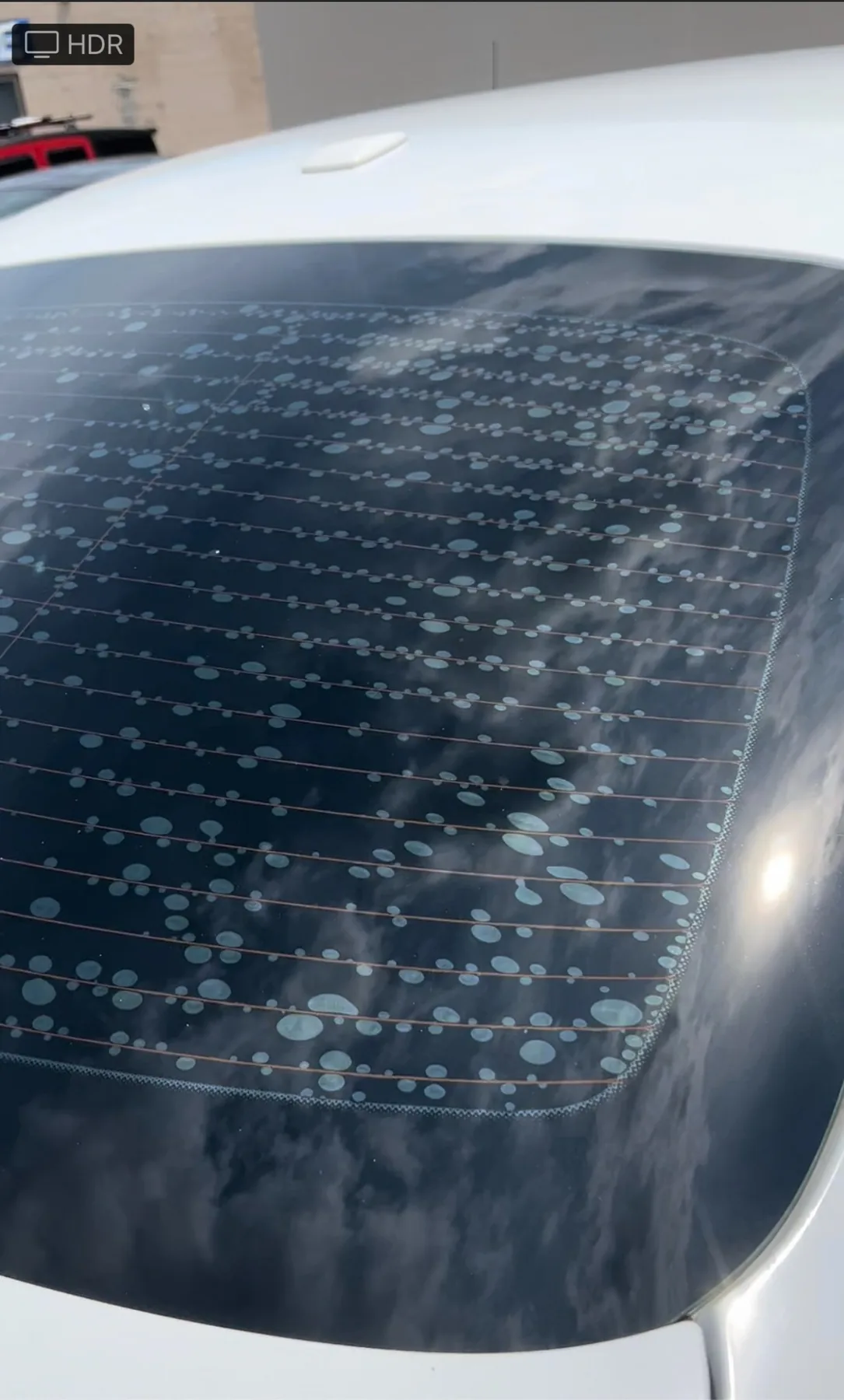
Yes, you can remove window tint yourself, especially from normal side windows if the film is in decent condition and you don't plan to re-tint the glass. But peeling the film off is only part of the job. Old adhesive, film hidden around seals and gaskets, scratched glass, rear defroster lines and badly deteriorated tint can turn a simple DIY project into a much bigger problem.**
At Dope Tintings in Pennsauken, NJ, customers regularly ask us:
"Why should I pay a tint shop to remove my window tint when I can just peel it off myself?"
Our answer is simple:
You can. It's your vehicle.
We're not going to tell somebody they're incapable of removing window tint.
There are situations where DIY tint removal can make perfect sense.
But after more than 20 years in the automotive window tint industry, we've also seen plenty of customers attempt to save money, make the removal more difficult, and then bring the vehicle to us anyway.
The biggest misconception is thinking:
Removing the film = properly removing the tint.
It doesn't always.
Let's explain the difference.
Can You Remove Window Tint Yourself?
Yes.
If you have normal tint on ordinary side glass, the film is in decent condition, and you simply want it gone, DIY removal can be reasonable.
The situation changes when:
- The film is old and brittle
- The tint is bubbling
- The film is delaminating
- You're removing an entire vehicle
- You're working on rear defroster glass
- You plan to have new tint installed afterward
- Someone already attempted the removal
- The glass requires special care
The question isn't simply:
"Can I get the film off?"
The better question is:
"Can I remove the film and adhesive completely without damaging anything?"
Is Window Tint Easy to Peel Off?
Sometimes.
A relatively healthy film may begin releasing and come off in a large sheet.
That's the situation every DIYer hopes for.
Other film may:
- Rip
- Tear
- Break into pieces
- Separate into layers
- Leave adhesive behind
- Refuse to release cleanly
Film condition and age can make a major difference.
You may start pulling one corner thinking the entire window will take five minutes.
Then the film tears.
You pull another piece.
That tears too.
Now the job you expected to finish quickly has turned into removing tiny pieces of film from the glass.
Is Peeling the Tint Off the Hard Part?
Not necessarily.
This is one of the biggest things we want customers to understand.
Getting the visible sheet of film off can be the easy part.
The adhesive left underneath can become the real job.
A customer may look at the window and say:
"I removed the tint."
But if the entire piece of glass is still covered in old adhesive, the removal isn't actually complete.
This matters even more when the customer plans to have new film installed.
What Does Window Tint Adhesive Look Like After the Film Is Removed?
When it's dry, remaining tint adhesive can look similar to the glue residue left behind after removing a sticker from glass.
Once it gets wet, the adhesive can become more noticeable.
It may turn into a soft, sticky, gooey or gel-like residue on the glass.
That's when some customers realize they only completed the first part of the removal.
The film is gone.
The adhesive isn't.
Is Tint Adhesive Hard to Remove From Side Windows?
On appropriate ordinary side glass, adhesive removal can be relatively straightforward when the person knows what they're doing.
Soap and water, an appropriate blade and proper technique can help remove remaining adhesive.
But there is another issue:
The areas you don't see.
At Dope Tintings, we sometimes refer to these as the hot spots.
They include areas around:
- Window seals
- Lower gaskets
- Edges
- Areas where the glass travels into the door
A DIYer may make the visible portion of the window look perfectly clean while still leaving old film or adhesive in those hidden areas.
If you're never tinting the window again, you may not care.
If you're having new tint installed, those areas matter.
What's the Difference Between Removing Tint and Properly Preparing the Glass?
Here's the easiest way to explain it.
"I got the tint off" means the visible sheet of film is no longer on the window.
"I properly removed the tint" means:
- The film is gone
- The adhesive is gone
- The edges are clean
- The areas around the seals are clean
- The areas below the gasket are properly addressed
- The glass is ready for whatever comes next
If the vehicle is being re-tinted, we want the glass as close as reasonably possible to a properly prepared bare-glass condition before installing the new film.
That's the difference.
Can I Remove Tint Myself If I'm Not Going to Re-Tint the Windows?
Yes. This is one of the situations where we think DIY removal can be reasonable.
Suppose you have two normal side windows.
The tint is in decent condition.
You simply want it gone.
You don't plan to install new film afterward.
If you're comfortable doing the work and understand the glass you're working on, you may decide to remove it yourself.
We're not going to tell you that you must pay a professional for every piece of tint removal.
Our concern becomes much greater when the vehicle is going to be re-tinted.
Should I Remove Tint Myself If I'm Having the Windows Re-Tinted?
Our recommendation is:
Have the professional tint shop remove it.
Why?
Because the new installation depends heavily on preparation.
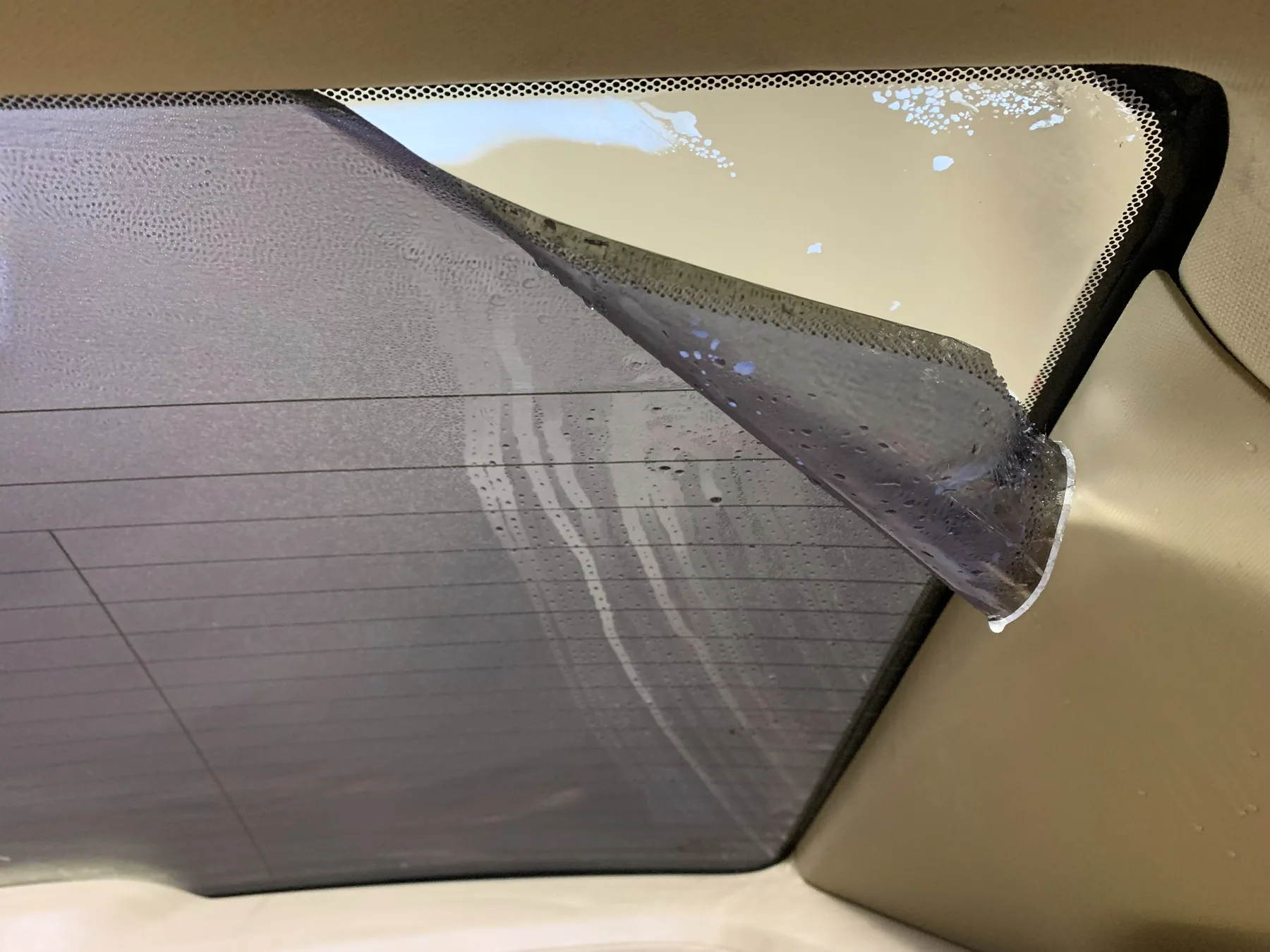
We've had customers remove their own film and bring the vehicle to us without even mentioning that the windows had previously been tinted.
The glass may look clean to them.
Then we start preparing the vehicle and discover:
- Old adhesive
- Film behind seals
- Residue below gaskets
- Pieces around edges
- Other evidence of the previous installation
Sometimes we discover it during preparation.
In other cases, a problem becomes apparent during installation.
Now we may have to stop, remove newly installed film, perform additional cleanup and start again.
That's additional work.
And additional work can mean an additional charge.
Will a Tint Shop Charge Me Extra If I Leave Old Adhesive Behind?
It can happen.
If you tell a shop:
"I already removed the tint,"
but the glass still requires substantial adhesive removal and cleanup before new film can be installed, the shop is still performing removal work.
At Dope Tintings, we're responsible for the finished installation.
We're not going to knowingly install new film over old adhesive because somebody wanted to save money on preparation.
If additional cleanup is required, expect that to be addressed before the new film goes on.
Can Household Cleaners Remove Window Tint Glue?
Customers use all kinds of products attempting to remove old adhesive.
We've seen people use:
- Soap and water
- Glass cleaner
- Windex
- Ammonia-based products
- Goo Gone
- Goof Off
- Other household chemicals
The fact that a product removes adhesive doesn't automatically mean it's ideal preparation for new automotive window film.
That's an important distinction.
Why Can Goo Gone or Goof Off Cause Problems Before Re-Tinting?
Products designed to dissolve sticky residue can leave their own residue behind.
We've seen oily residue left on glass after customers used adhesive-removal products.
If that vehicle is going to be re-tinted, now we have another preparation issue.
We need to make sure that residue is completely removed before installing the new film.
Otherwise it can interfere with proper preparation and potentially affect how the installation performs.
So a customer may think:
"I helped the tint shop by cleaning all the glue."
But if the glass is now coated in oily residue, we may have to perform additional cleaning before we can tint it.
If you're removing film because you plan to have it re-tinted, ask your installer what they want you to do before covering the glass in household chemicals.
Can the Wrong Tint Removal Chemicals Damage the Interior?
Yes.
We've seen customers damage interior materials while attempting tint removal.
The issue isn't always the glass.
Removal solution or harsh chemicals can run into or contact:
- Door panels
- Trim
- Rear decks
- Seats
- Dashboard areas
- Other interior materials
A chemical that's effective at attacking adhesive isn't automatically something you want soaking into your vehicle's interior.
This is particularly important on windshields and rear glass because solution can travel into areas below the glass.
A Customer Tried to Save $74.99 Removing His Two Front Tints
We've had customers learn this lesson firsthand.
One customer contacted us about removing tint from his two front windows.
Our price was $74.99.
He felt the price was too high and decided to do the removal himself.
That's fine.
It's his vehicle.
The next day, he came back to us.
After attempting the job himself, he essentially told us:
"Now I see why you charge $75."
The problem was that he had already started the removal and left us with additional cleanup.
At that point, the job wasn't necessarily the same job we originally quoted.
We weren't starting with untouched film anymore.
We were cleaning up after an attempted removal.
Trying to save money can work.
But sometimes it creates more work.
For a complete explanation of our two-front-window removal pricing, read How Much Does It Cost to Remove Tint From Two Front Windows?.
A Full-Vehicle DIY Tint Removal That Became Worse
We've also encountered the same problem on a much larger scale.
A customer had an entire vehicle that needed tint removed.
The rear window was particularly bad.
Other tint shops reportedly didn't want to tackle it.
We believed we could remove it, but because of the condition of the film, the customer was going to have to pay for the amount of labor involved.
He didn't want to pay the removal price.
So he attempted the job himself.
The side windows didn't come out particularly well.
Then he reached the rear glass.
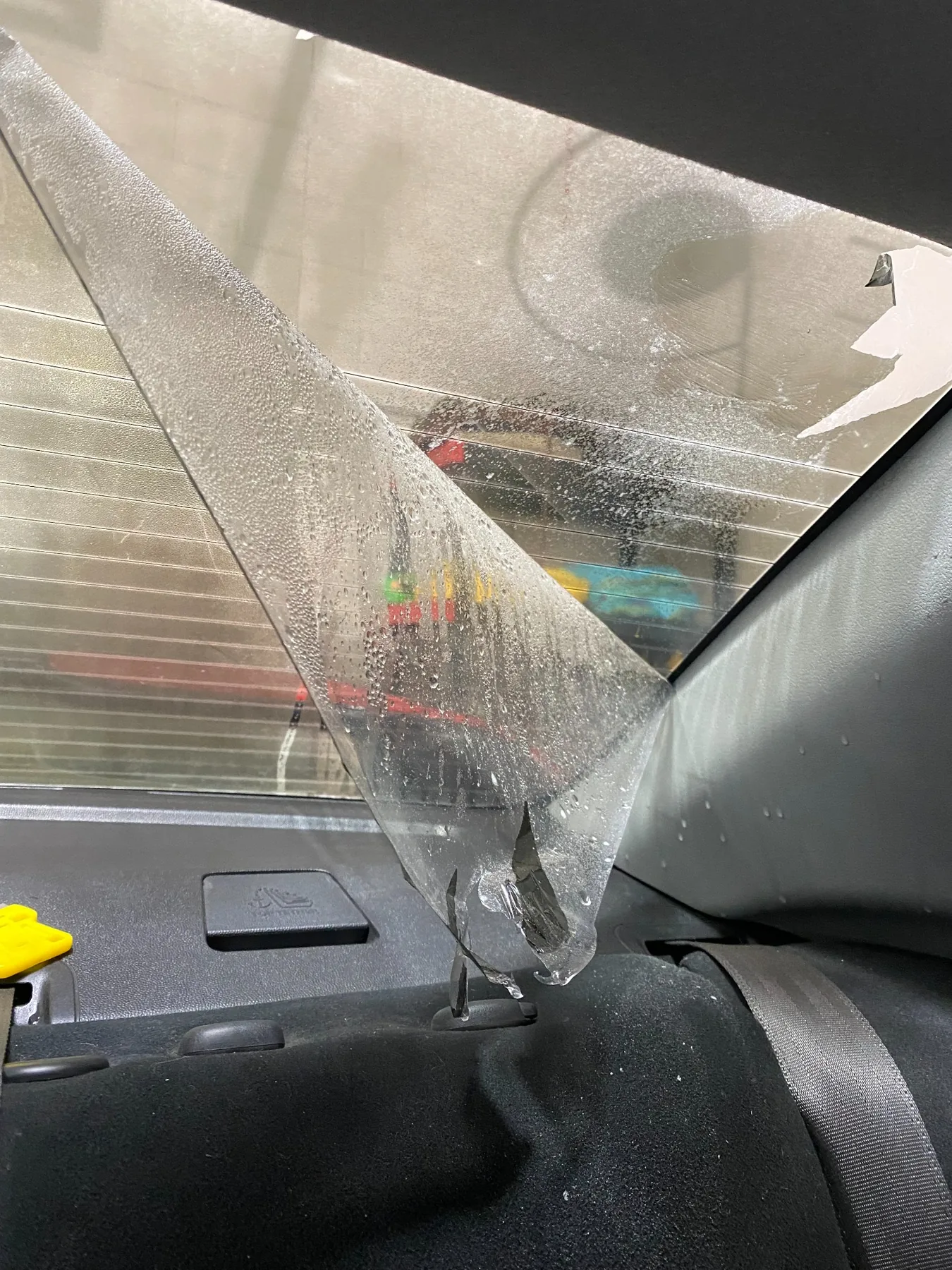
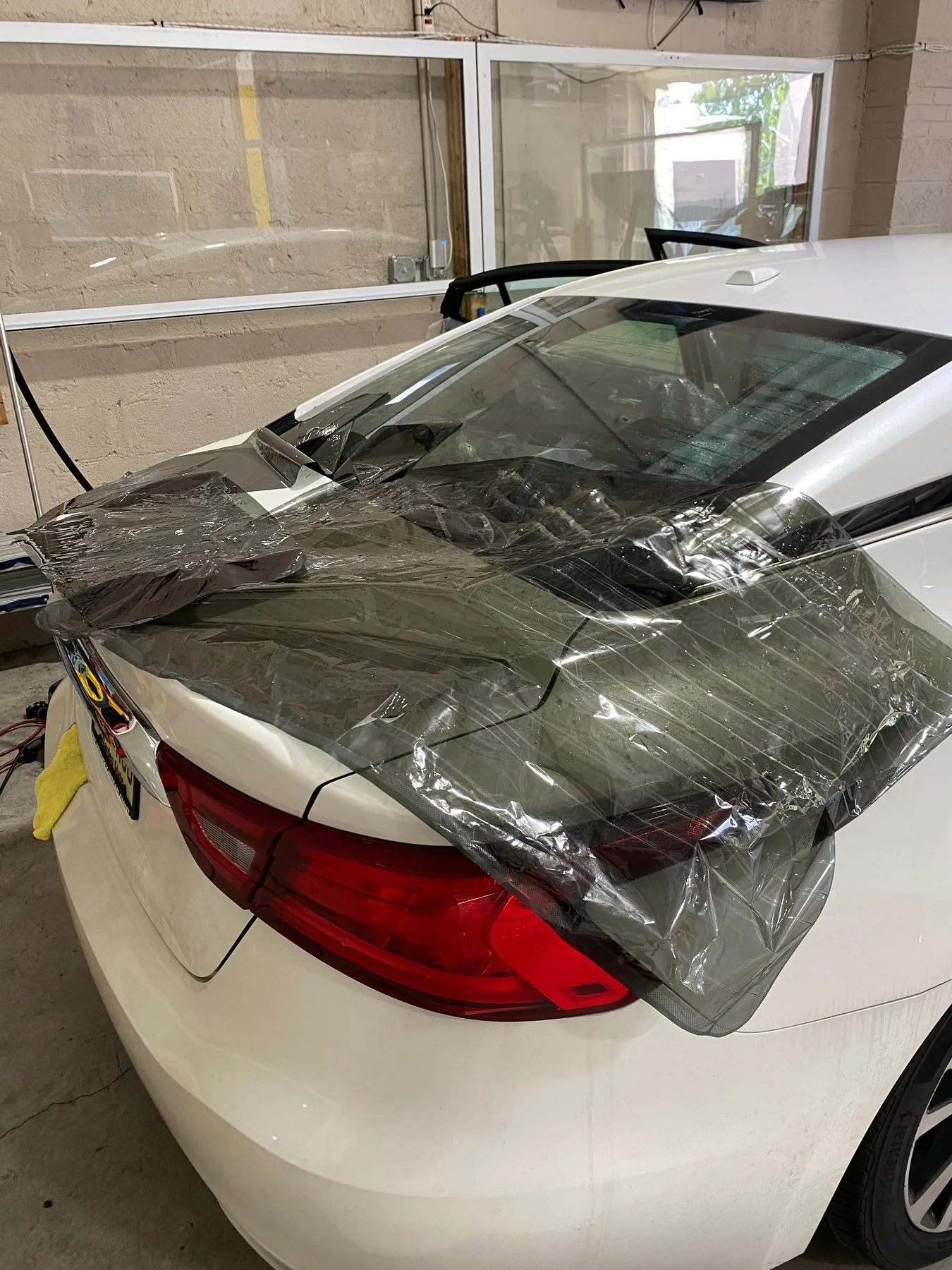
The old film began coming off in pieces.
Eventually, he brought the vehicle back to us.
Now the situation was worse.
Instead of starting with the original tint installation, we were starting with:
- Partially removed film
- Film broken into pieces
- Remaining adhesive
- A difficult rear window
- Somebody else's attempted removal
That can make a professional removal more expensive because the customer has changed the condition of the job.
Can a Razor Blade Be Used to Remove Window Tint?
On some automotive glass, yes—but not every piece of automotive glass should automatically be attacked with a razor.
Professional installers may use an appropriate blade on suitable side glass or windshield glass as part of a removal.
But using a razor safely involves more than owning a razor.
You need to consider:
- Glass type
- Blade type
- Blade condition
- Angle
- Pressure
- Surface coatings
- Defroster lines
- Vehicle-specific glass features
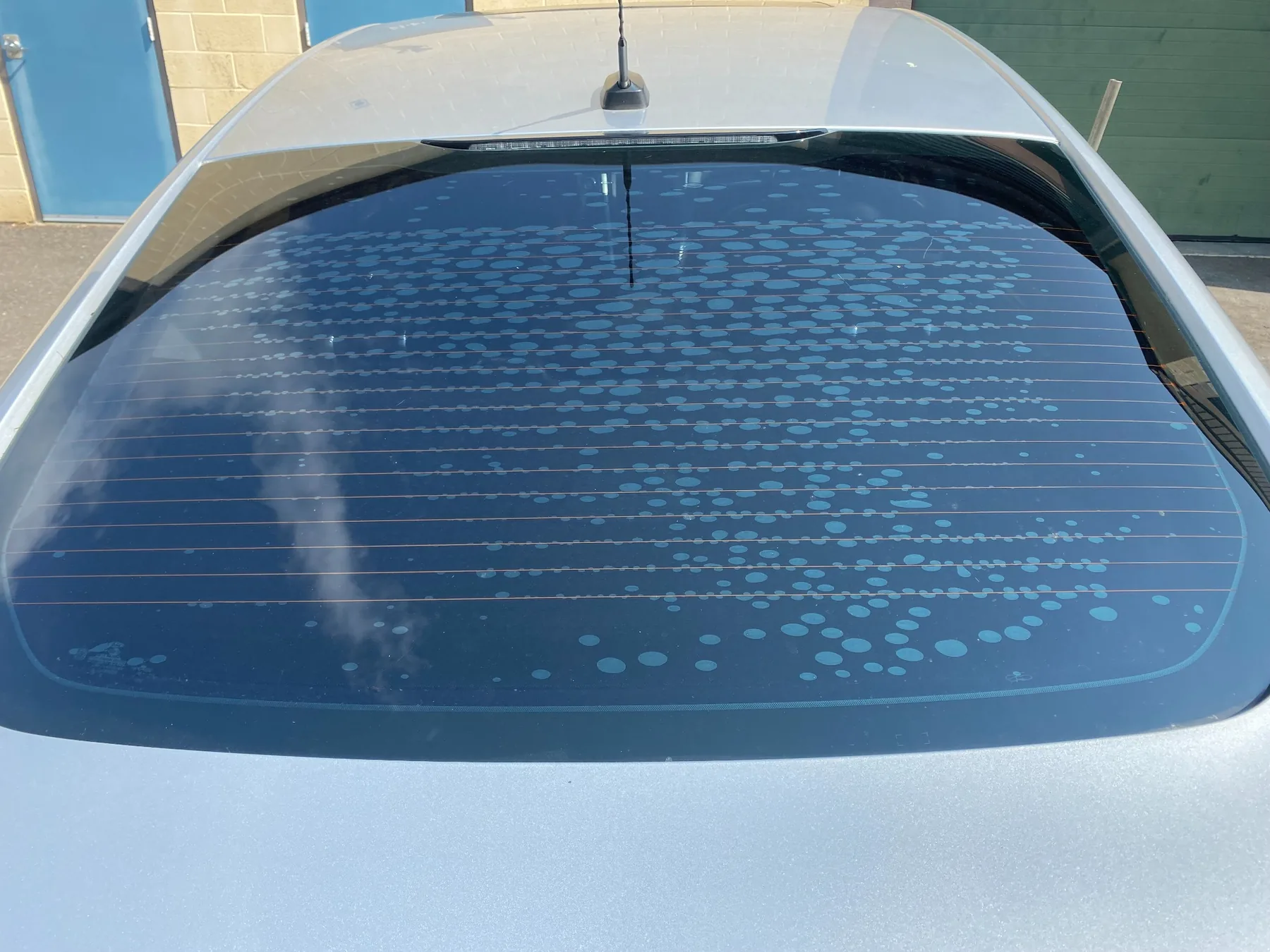
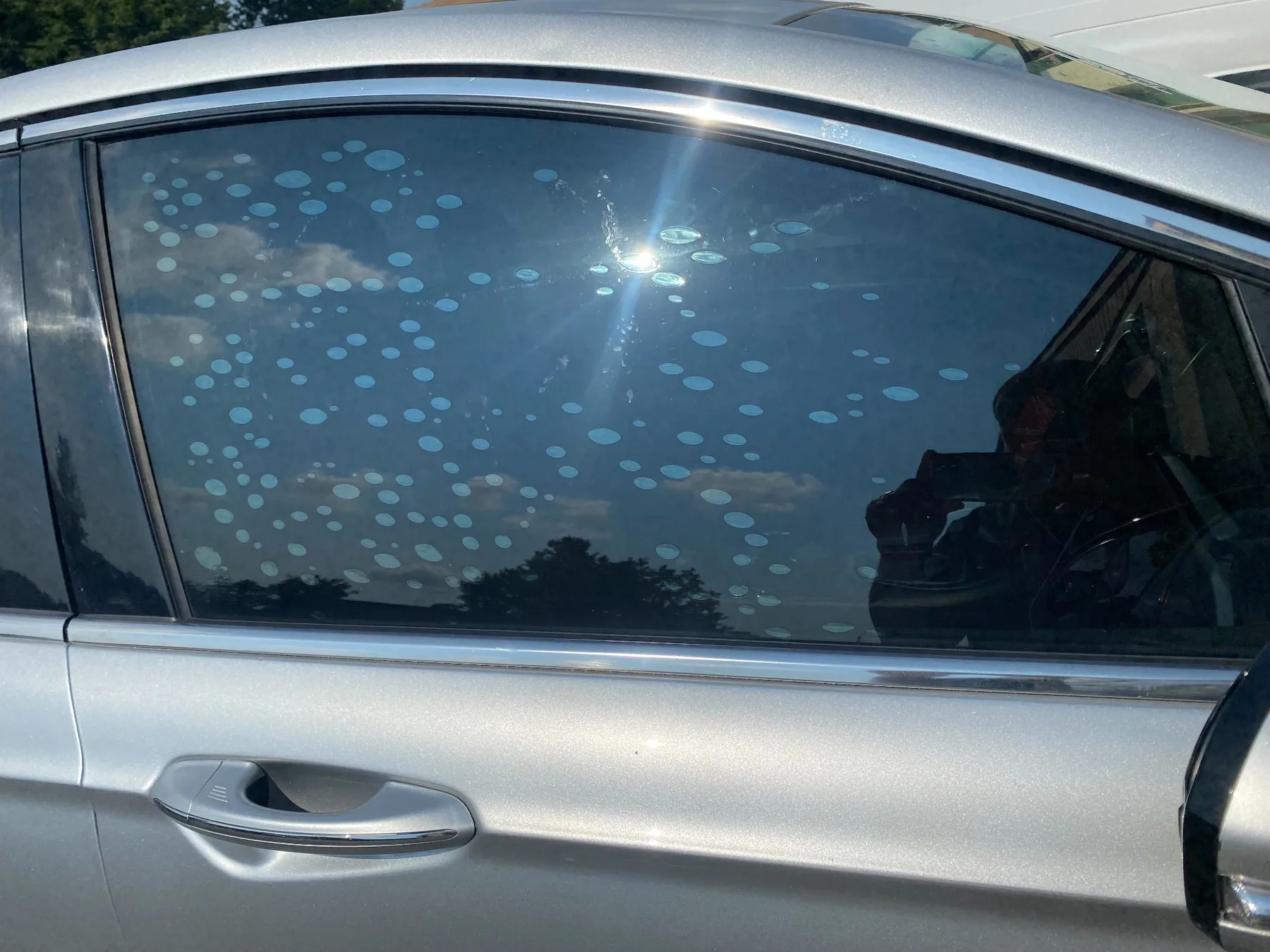
We've seen customers scratch glass because they used the wrong blade or the wrong technique.
How Do People Scratch Glass While Removing Window Tint?
A common misconception is:
"Glass is harder than a razor, so I can't scratch it."
That's not a rule you should rely on when working on automotive glass.
We've seen customers damage windows by:
- Using an inappropriate blade
- Using a damaged blade
- Holding the blade incorrectly
- Applying improper pressure
- Scraping without understanding the glass
- Working on a surface or coating that shouldn't be scraped
Once the scratch is in the glass, a tint shop isn't going to magically remove it.
Can New Window Tint Hide Scratched Glass?
Not necessarily.
In fact, we've seen situations where scratches become more noticeable after darker film is installed.
The film doesn't repair the glass.
The scratch remains in front of the tint.
A darker background can increase contrast and make existing damage easier to see.
So if you're using a razor during DIY removal, understand that one mistake can create a permanent cosmetic problem.
Are Razors Safe on Every Side Window?
No.
This is where vehicle-specific glass becomes important.
Certain automotive glass can have coatings or surface treatments that require different care.
For example, Lexus has published technical guidance for certain vehicles with UV/IR-cut coated front door glass warning against abrasive cleaning methods such as razor blades because the interior coating can be damaged.
That doesn't mean:
"Never use a razor on any side window."
It means:
Know what glass you're working on before choosing the tool.
A professional installer should evaluate the glass rather than assuming every vehicle uses the same construction.
Can You Use a Razor on a Windshield to Remove Tint?
A professional may use an appropriate razor technique on suitable windshield glass during removal.
For a DIYer, the blade isn't the only concern.
You may need removal solution to deal with remaining adhesive.
That creates another issue:
Where is the liquid going?
The bottom of the windshield meets the dashboard.
You don't want removal solution pouring into gaps between the dashboard and glass or reaching sensitive areas.
If you're attempting windshield removal yourself, protecting the vehicle's interior is just as important as getting the film off.
Can a Razor Damage Rear Defroster Lines?
Absolutely.
This is where our advice becomes much stronger.
Do not treat rear defroster glass like ordinary plain side glass.
Those conductive lines running across the rear window are part of the vehicle's defrost system.
Scrape through them with a razor and you can damage them.
Once a line is cut or removed, that portion of the rear defroster may stop functioning.
That's why a DIY method that works on an ordinary door window should not automatically be copied onto the rear glass.
For a complete explanation of rear-glass removal and defroster risk, read How Much Does Rear Window Tint Removal Cost?.
Can Rear Defroster Lines Come Off Without Using a Razor?
Yes.
This is another reason badly deteriorated rear tint can be risky.
Some old film can become strongly bonded to the defroster grid.
As the film is pulled away, defroster material can sometimes begin lifting with it.
A professional may not know that's going to happen until removal begins.
At Dope Tintings, if we see a defroster line beginning to lift with the film, we stop and contact the customer rather than continuing to pull and knowingly damage additional lines.
When Should You Stop a DIY Rear Window Tint Removal?
There are several warning signs where we'd recommend stopping rather than becoming more aggressive.
If the rear film starts:
- Coming off in tiny pieces
- Separating into layers
- Refusing to release
- Leaving a major mess behind
- Pulling defroster material with it
Stop.
The worst reaction is becoming frustrated, grabbing a razor and hacking away at the rear glass.
Yes, you may eventually remove the film and adhesive.
You may also remove the defroster grid with it.
At that point, you've solved one problem and created another.
Which Window Tint Removal Jobs Are Reasonable to DIY?
Not every tint removal requires a professional.
Based on what we've seen at Dope Tintings, there are situations where doing it yourself can be reasonable.
The important thing is understanding what you're working on and what you plan to do with the glass afterward.
Here's how we would break it down:
| Situation | Our Recommendation |
|---|---|
| Two normal side windows, decent film, no re-tint planned | DIY can be reasonable |
| Two side windows that will be re-tinted | Professional removal recommended |
| Full vehicle with old purple, bubbling or brittle tint | Professional removal recommended |
| Badly bubbled or delaminated rear-window tint | Professional removal strongly recommended |
We're not saying a customer physically can't attempt any of these jobs.
It's your vehicle.
The question is whether doing it yourself is actually worth the risk and time.
Customer A: Two Normal Side Windows and No Re-Tint
This is the DIY situation we're most comfortable with.
Suppose you have two normal side windows.
The film is still in decent condition.
You simply want the tint gone and have no intention of installing new film afterward.
If you understand the glass you're working on and are comfortable with the process, DIY removal may make sense.
The glass doesn't need to meet our professional preparation standard for another tint installation because you're leaving it untinted.
You still need to avoid scratching or damaging the glass, but this is very different from tackling a severely deteriorated rear window.
Customer B: Two Side Windows That Will Be Re-Tinted
Here our recommendation changes.
Let the professional tint shop remove the old film.
Why?
Because preparation directly affects the new installation.
A DIYer can make the visible glass look clean while leaving:
- Old adhesive around the edges
- Film below the gasket
- Residue behind seals
- Small pieces of old tint
- Contamination in areas that aren't immediately visible
Then the vehicle arrives at the tint shop.
Sometimes the customer doesn't even mention that the windows were previously tinted.
We begin preparing the glass and discover the old installation.
In some situations, we don't discover every remaining problem until we're working with the new film.
Now additional cleanup is required.
That can mean additional labor and an additional charge.
If you're already planning to pay for new tint, letting the installer handle the old film can prevent unnecessary problems.
For our current two-front-window removal pricing, read How Much Does It Cost to Remove Tint From Two Front Windows?.
Customer C: Full Vehicle With Purple, Bubbling or Brittle Tint
We recommend professional removal.
Could you attempt it yourself?
Absolutely.
It's your vehicle.
But this is where DIY tint removal can become an all-day or multi-day headache.
You aren't dealing with one or two predictable windows anymore.
You may be dealing with:
- Multiple roll-down windows
- Quarter windows
- Old adhesive
- Brittle film
- Delamination
- Different film conditions on different windows
- Rear glass
- Rear defroster lines
One window may release easily.
The next may come off in pieces.
Another may leave all of its adhesive behind.
Then you reach the rear glass and discover an entirely different problem.
That's why full-vehicle tint removal at Dope Tintings is treated differently from a simple two-front-window removal.
For complete pricing and an explanation of what affects the labor, read How Much Does Window Tint Removal Cost in South Jersey?.
Customer D: Badly Bubbled or Delaminated Rear Tint
This is the one we would strongly recommend leaving to a professional.
Bad rear-window tint can test your patience quickly.
The film may:
- Break into pieces
- Separate into layers
- Leave adhesive behind
- Refuse to release cleanly
- Become heavily bonded around the defroster grid
The danger is what happens when the DIYer becomes frustrated.
They start pulling harder.
Then they grab a razor.
Then they start scraping.
Eventually, they may get the film and glue off.
But now portions of the rear defroster may not work.
That's an expensive way to save money on tint removal.
For a complete explanation of rear-glass removal and defroster risk, read How Much Does Rear Window Tint Removal Cost?.
What Is the Biggest Sign You Should Stop DIY Tint Removal?
For ordinary side glass, a difficult removal doesn't necessarily mean you immediately need to stop.
Rear glass is different.
If you're attempting rear-window tint removal and the film begins:
- Coming off in tiny pieces
- Separating into layers
- Refusing to release
- Pulling material from the defroster grid
Stop.
Especially stop if you see a defroster line beginning to lift with the film.
Continuing to pull can turn a difficult tint removal into damaged rear glass.
At Dope Tintings, that's exactly what we do professionally.
If we're removing old rear tint and see a defroster line beginning to lift:
We stop the removal and contact the customer.
Can DIY Window Tint Removal Damage Your Car?
Yes.
We've personally seen damage caused by customers attempting their own removal.
That includes:
- Scratched door glass
- Damaged rear defroster lines
- Damaged seals
- Damaged trim
- Chemical residue
- Interior damage
- Adhesive left behind
- Partially removed film
Sometimes the customer successfully saves money.
Other times the removal creates a repair that costs substantially more than professional removal would have cost.
Can DIY Tint Removal Damage Door Seals or Trim?
It can.
A razor or other sharp removal tool doesn't know the difference between old tint and the trim next to it.
Working aggressively around edges can potentially damage surrounding materials.
Chemicals can also create problems.
A product that is safe for glass isn't automatically safe for:
- Door panels
- Rubber
- Vinyl
- Fabric
- Leather
- Painted trim
- Rear-deck materials
Professional removal involves protecting more than the window itself.
Can Tint Removal Chemicals Damage Seats or the Dashboard?
Yes.
We've seen customers use aggressive products because they were trying to dissolve stubborn adhesive.
The glue may come off.
Unfortunately, the chemical may also contact the vehicle's interior.
This becomes particularly important when working around:
- Windshields
- Rear glass
- Rear decks
- Door panels
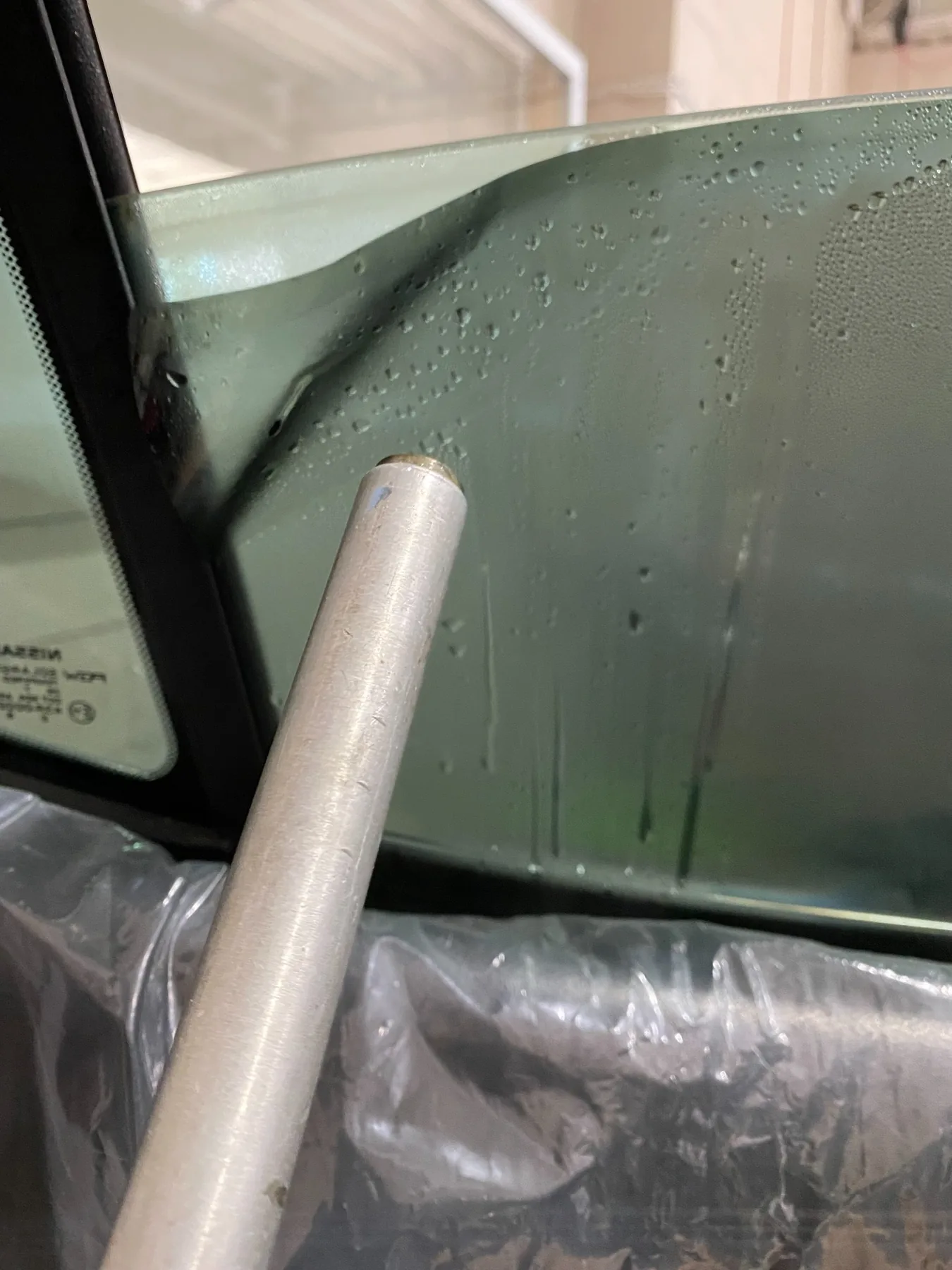
If you're working on a windshield, removal solution can run toward the gap between the windshield and dashboard.
If you're working on rear glass, chemicals can reach the rear deck or seats.
You need to think about where the solution goes—not simply whether it removes adhesive.
Can DIY Window Tint Removal Damage a Windshield?
It can if the wrong tools, techniques or chemicals are used.
At Dope Tintings, we're not going to say a customer is incapable of removing windshield film.
But a windshield is a large piece of glass positioned directly above the dashboard.
If old adhesive requires substantial solution, you need to protect the vehicle.
You also need to understand the particular windshield you're working on.
Some vehicles may have glass features, coatings, electronics or other areas requiring additional care.
What Could I End Up Replacing If DIY Tint Removal Goes Wrong?
Potentially:
- Door glass
- Rear glass
- Interior trim
- Rear-deck material
- Other damaged interior components
Rear glass can become particularly expensive because the defroster grid is part of the glass assembly.
If you permanently scratch a door window, tinting over it doesn't repair the scratch.
So before trying to save $75, $150 or more on removal, consider what the glass itself costs to replace.
Is Professional Tint Removal Worth the Money?
Sometimes yes.
Sometimes no.
We're not going to tell someone with two straightforward side windows that professional removal is the only possible option.
If the tint is healthy, you're comfortable doing the work, and you're leaving the glass untinted afterward, DIY may be perfectly reasonable.
Professional removal becomes more valuable when:
- The vehicle will be re-tinted
- The film is badly deteriorated
- You're stripping an entire vehicle
- You're dealing with rear defroster glass
- The film is delaminating
- The tint is coming off in pieces
- Adhesive is difficult to remove
- You don't know what type of glass you're working with
- You don't want to risk scratching the glass
The more complicated the job becomes, the more valuable experience becomes.
How Much Does Professional Window Tint Removal Cost?
At Dope Tintings, removal pricing depends on what is being removed and the condition of the film.
Our current starting prices include:
| Tint Removal Service | Starting Price |
|---|---|
| Two front windows | $74.99 |
| Full windshield | $74.99+ |
| Rear window | $74.99+ |
| Coupe/sedan sides + rear | $149.99+ |
| SUV/truck full removal | $174.99+ |
Two normal front windows are generally predictable enough that we can quote the removal without inspecting them first.
Full vehicles and difficult rear-window removals are different.
We need to inspect those because the condition of the film can dramatically change the amount of labor required.
For the complete breakdown, read How Much Does Window Tint Removal Cost in South Jersey?.
Is DIY Tint Removal Cheaper?
It can be.
If you successfully remove the film and adhesive without damaging anything, you've saved the professional removal charge.
There's nothing wrong with that.
The problem is assuming DIY is automatically cheaper before you know how the film is going to behave.
If you:
- Scratch the glass
- Damage the defroster
- Damage interior materials
- Leave adhesive behind
- Make the professional cleanup harder
you may end up spending more than the original removal price.
DIY is cheapest when it goes correctly.
What If I Start Removing Tint and Then Decide I Can't Finish?
You can bring the vehicle to a professional.
But understand that the price may not be the same quote you received before you started.
Once someone partially removes the film, the condition of the job changes.
Instead of dealing with an untouched installation, the shop may now be dealing with:
- Torn film
- Missing layers
- Exposed adhesive
- Partially scraped glass
- Film remaining around edges
- A damaged defroster
- Chemical residue
That's why we recommend deciding whether you're committed to DIY before tearing into a difficult removal.
Will Dope Tintings Finish a DIY Tint Removal?
It depends on what has already been done.
We've taken over plenty of removal jobs after customers started them.
But we inspect the vehicle first.
If the previous attempt created substantial damage or liability, there may be situations where we decline the job.
We need to understand what we're taking responsibility for before continuing someone else's removal.
Can I Remove Old Tint and Install New Tint the Same Day?
In many situations, yes.
If professional removal goes normally, the glass can be cleaned, prepared and re-tinted.
The vehicle doesn't automatically need to sit overnight just because old tint was removed.
The major factor is how long the removal takes.
A difficult full-vehicle or rear-window removal can consume enough time that the new installation may need to happen later or the following day.
For typical tint installation times after the glass is prepared, read How Long Does It Take to Tint a Car? Complete Time Guide.
Why Does Proper Glass Preparation Matter Before Re-Tinting?
Window film is installed directly onto glass.
Anything left behind can affect the finished installation.
That can include:
- Old adhesive
- Film fragments
- Dirt
- Fibers
- Residue
- Contamination around edges and gaskets
That's why professional removal isn't finished when the visible sheet of old tint disappears.
The glass still needs to be properly prepared for the new film.
We've explained our standards for finished installations in How Much Contamination Is Acceptable in Window Tint?.
Can I Put New Tint Over the Old Tint Instead of Removing It?
If the existing aftermarket film is failing, bubbling, peeling, purple or otherwise deteriorated, we don't recommend simply covering the problem with another layer of film.
The old film should be removed and the glass properly prepared.
Putting new film over failed old film doesn't repair what's underneath.
This is especially important when the existing adhesive or film construction is already deteriorating.
DIY Window Tint Removal in South Jersey: What Do We Recommend?
If you're in Pennsauken, Cherry Hill, Camden, Maple Shade, Cinnaminson, Delran, Collingswood, Haddonfield, Marlton, Mount Laurel, Moorestown or elsewhere in South Jersey, our recommendation is based on the job—not simply on whether we want to sell you removal service.
Two normal side windows + no re-tint planned?
DIY can be reasonable.
Windows being re-tinted?
We recommend professional removal.
Full vehicle with deteriorated film?
Professional removal.
Bad rear-window tint over defroster lines?
Definitely professional removal.
That's the same advice we'd give someone standing at our counter.
Frequently Asked Questions About DIY Window Tint Removal
Can you remove window tint yourself?
Yes. DIY tint removal can be reasonable for normal side windows when the film is in decent condition and you don't plan to re-tint the glass. More complicated removals are better suited to an experienced professional.
Is window tint easy to remove?
Sometimes. Healthy film may release in a large sheet, while old or deteriorated tint can break into pieces, separate into layers and leave adhesive behind.
Can you just peel window tint off?
You can peel the film, but that doesn't guarantee the adhesive will come off with it. Proper removal also means cleaning the remaining adhesive and residue from the glass.
Is removing tint glue harder than removing the film?
It can be. We've seen customers successfully peel the film but discover that the entire window is still covered in adhesive.
Can I use soap and water to remove tint adhesive?
Soap and water can be part of adhesive cleanup on appropriate glass, but the correct method depends on the glass, film condition and whether the vehicle will be re-tinted.
Can I use Goo Gone or Goof Off to remove window tint glue?
Some adhesive-removal products can leave residue of their own. If the window will be re-tinted, that residue needs to be completely removed before new film is installed.
Can I use a razor to remove window tint?
An appropriate razor can be used on certain automotive glass when the person understands the glass and proper technique. It should not be assumed safe for every automotive glass surface or coating.
Can a razor scratch car windows?
Yes. We've seen customers permanently scratch automotive glass using the wrong blade, pressure or technique.
Can I use a razor on rear-window tint?
We strongly discourage casually using a razor across rear glass with defroster lines. The blade can damage the conductive grid and stop portions of the rear defroster from functioning.
Can old tint pull rear defroster lines off?
Yes. In some situations, heavily bonded old film can begin lifting defroster material as the film is removed even without scraping it.
When should I stop removing rear tint myself?
Stop if the film begins coming off in tiny pieces or layers, or especially if you see defroster material lifting with the film.
Can DIY tint removal damage my interior?
Yes. Sharp tools can damage trim, and harsh chemicals or removal solution can potentially damage seats, rear decks, door panels and other interior materials.
Should I remove tint myself if I'm getting new tint installed?
We recommend letting the professional installer handle the removal when you plan to re-tint the glass. Proper preparation around seals, gaskets and edges matters to the new installation.
Can a tint shop charge more after I attempt DIY removal?
Yes. If a DIY attempt leaves additional adhesive, torn film, residue or damage, the professional may have more work than they would have had before the attempt.
Can a tint shop fix glass I scratched during removal?
Window tint installation does not repair scratched glass. In some cases, darker film can make existing scratches more noticeable.
Can I remove tint from my windshield myself?
It is possible, but you need to consider the specific glass and protect the dashboard and surrounding areas from removal solution and tools.
Is professional tint removal worth it?
Professional removal becomes particularly valuable for vehicles being re-tinted, full-vehicle removals, badly deteriorated film and rear glass with defroster lines.
Final Answer: Can You Remove Window Tint Yourself?
Yes, you can remove window tint yourself.
And in some situations, we think that's perfectly reasonable.
If you have two normal side windows, the film is in decent condition, and you don't plan to re-tint them, DIY removal can save you money.
But the more complicated the job becomes, the more careful you should be.
If you're planning to have the glass re-tinted, we recommend professional removal because leftover adhesive and material around seals and gaskets can affect the new installation.
If you're removing an entire vehicle with old, purple, bubbling or brittle tint, we recommend professional removal because different windows can behave completely differently.
And if you're dealing with badly deteriorated rear-window tint over defroster lines, we strongly recommend professional removal.
The biggest thing to remember is:
Getting the visible film off is not necessarily the same thing as properly removing window tint.
The film needs to come off.
The adhesive needs to come off.
The areas around seals and gaskets need to be addressed.
And the glass and vehicle need to remain undamaged.
If you're attempting rear-window removal and the film starts coming off in pieces, separating into layers or pulling defroster material with it:
Stop.
Trying to save money on tint removal isn't worth replacing a piece of glass or damaging your rear defroster.
For current professional removal pricing, read How Much Does Window Tint Removal Cost in South Jersey?.
For two-front-window removal pricing, read How Much Does It Cost to Remove Tint From Two Front Windows?.